
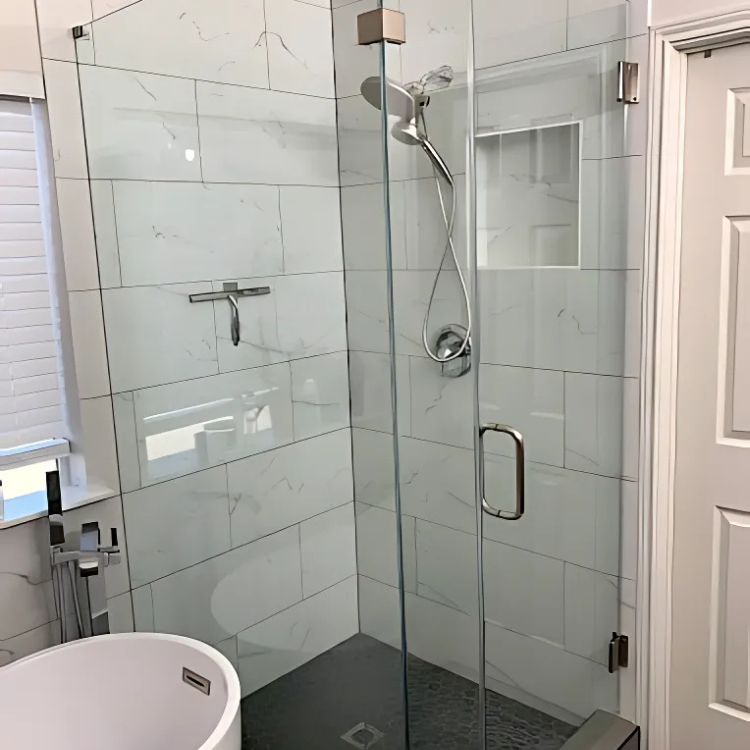
Leaking Caulk and Drafts: Shower Enclosure Repair Needed
If you notice water creeping where it should not, or you feel a draft around your shower door, the problem is often tied to the shower enclosure system and the seals around it. This guide helps you identify what to check first, understand the usual causes, and decide when shower glass installation or shower door replacement is the smarter next step for Austin, TX homes.
After a shower, you wipe down the tile, and everything looks fine for a few minutes. Then you notice damp spots along the edges of the shower enclosure, or a thin line of water tracking down the wall. On cooler mornings, you might even feel a draft near the door or where the glass meets the wall.
That combination is a strong sign your shower door glass and sealing system are no longer doing their job. In this guide, you will learn how leaking caulk and air gaps typically happen, what you can inspect safely at home, and what repairs are usually required to restore a tight, water-resistant shower enclosure.
- Quick answer
- What to check first
- Main things customers should understand
- Why this matters in Austin, TX
- Common mistakes to avoid
- Customer checklist
- Frequently asked questions
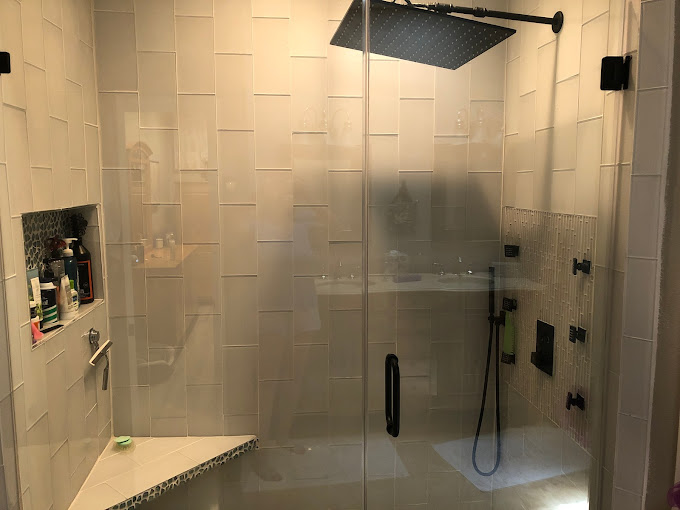
Quick Answer
If water is escaping at the edges of your shower doors or you feel drafts around the glass, start by checking the caulk lines and the door sweep or gasket areas for gaps, cracking, or missing sections. In many cases, re-caulking alone is not enough if the glass enclosure is slightly out of alignment or the hardware has shifted. For a reliable fix, have the shower enclosure inspected for seal failure and proper fit. Shower Doors of Austin can help determine whether your issue is best handled with shower glass replacement, shower door replacement, or targeted enclosure repair.
What to Check First
Begin with a simple, careful inspection while the area is dry. Look along the perimeter where the glass meets the wall and where the bottom edge meets the threshold or tub deck. Cracked caulk, peeling edges, or dark, uneven lines are common indicators that water has been getting behind or under the seal.
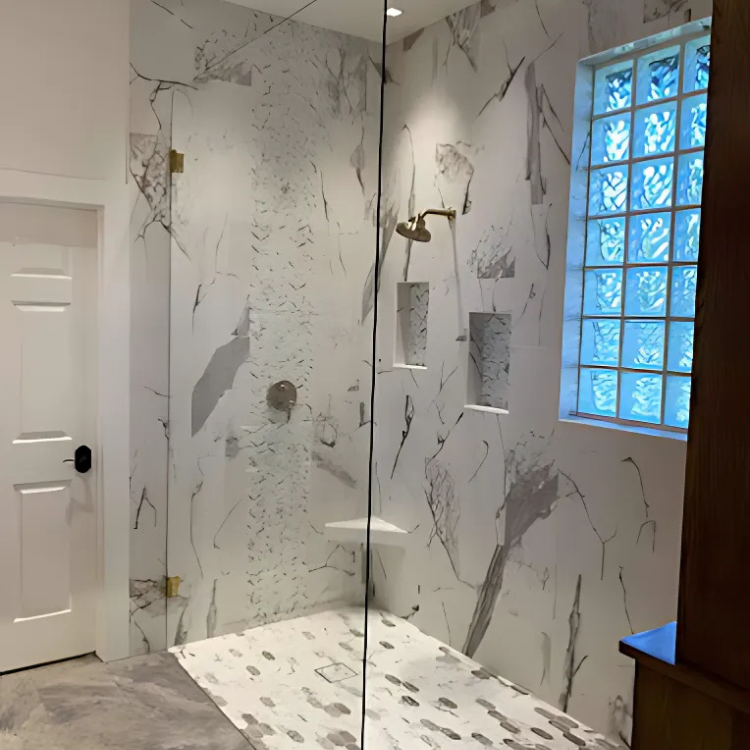
Caulk condition
Check for shrinking, missing sections, or spots that look “wavy” or separated from the glass or tile.
Door bottom seal
For hinged shower doors or semi frameless shower doors, confirm the sweep or gasket sits evenly and does not lift at corners.
Hardware fit
Notice whether handles, hinges, or tracks feel loose. Movement can create micro gaps that become leaks over time.
Next, try a controlled “spot test.” Run the shower briefly and watch the edges. If water appears first at a specific corner, that often points to a seal line break or an alignment issue with that portion of the shower enclosure. For sliding shower doors, track water is also a clue, especially if you see moisture collecting near rollers or where the panels overlap.
Main Things Customers Should Understand
Leaking caulk and drafts usually come from a breakdown in either sealing materials or the fit of the entire shower enclosure system. Austin homes often have showers that are several years old, and daily use plus regular cleaning can gradually wear down caulk and door seals.
Professional observation: Drafts can show up even when you do not see obvious water at first. If the door does not close evenly or the glass is not seated correctly, air movement and water mist can both escape through the same gap.
1) Caulk failure is usually a symptom
Caulk can crack or detach due to movement, poor initial adhesion, or normal wear from moisture and temperature changes. If the underlying glass panel or frame is shifting, fresh caulk may not last long. That is why a good inspection looks at the entire enclosure, not just the visible seal line.
2) Alignment affects both water and comfort
Even a small misalignment can create a channel for water. It can also create a measurable draft at the door edge. Common contributors include loose mounting points, worn rollers in sliding systems, or hinge wear on hinged shower doors.
3) The shower door type matters
Different shower door styles handle sealing differently. Frameless shower doors rely heavily on precise fit and sealing at the glass edges. Sliding shower doors depend on track and overlap performance. Corner shower enclosures and neo angle shower doors have more perimeter transitions, which means more opportunities for seal interruptions if the enclosure shifts.
Decision-focused tip: If you are seeing repeated leaks after cleaning and re-caulking, it is often time to evaluate whether the enclosure needs realignment or whether a shower door replacement is the more durable solution.
| What you notice | Common likely cause | Repair direction |
|---|---|---|
| Water collects at one corner after showering | Seal line separation or edge misfit at that corner | Inspect the glass panel seating and perimeter seals before re-caulking |
| Draft around the door even when caulk looks “okay” | Door sweep or gasket not contacting evenly | Check door closure alignment and bottom seal contact |
| Moisture near the track area on sliding shower doors | Track water path or seal/roller wear | Evaluate track performance and overlap fit; consider enclosure repair or replacement |
| Water appears along the wall edge where the enclosure meets tile | Caulk breakdown or movement at mounting points | Verify secure mounting and seal integrity across the full run |
Even if your shower door looks “mostly fine,” ongoing moisture can work its way into grout lines and surrounding surfaces. That is why the best next step is usually a targeted inspection to confirm what has failed and what needs to be rebuilt for a lasting seal.
Why This Matters in Austin, TX
Austin bathrooms deal with daily humidity from showers and, in many homes, recurring seasonal temperature swings between indoor comfort and outdoor weather. Over time, those conditions can stress sealant materials and make small gaps more noticeable. When caulk fails, moisture exposure can worsen faster in areas where showers are used frequently, such as primary bathrooms and shared households.
In practice, we often see enclosure issues show up as a “slow leak.” Water escapes in tiny amounts, then becomes visible only after multiple showers. If you also feel drafts, that suggests the shower door system is not closing as intended, which can lead to both comfort issues and water escape.
Get a practical inspection for your shower enclosure
If you are dealing with leaking caulk, drafty gaps, or persistent moisture around your glass shower doors, Shower Doors of Austin can help you identify the cause and the right repair approach for your setup in Austin, TX.
(512) 831-3651Common Mistakes to Avoid
Homeowners often try quick fixes that do not address the real cause. The result is usually the same leak returning, sometimes in a new spot, because the enclosure still has an underlying fit or sealing problem.
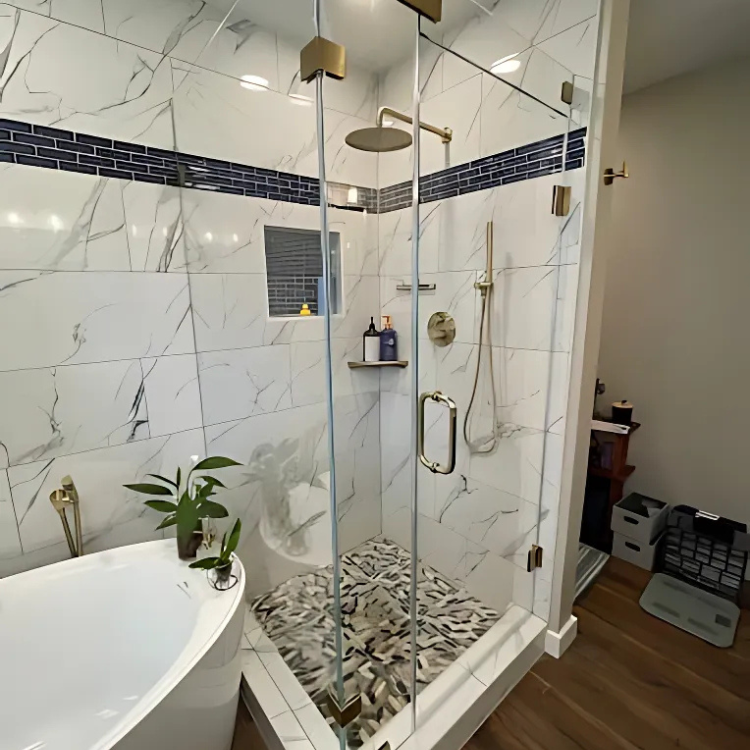
- Re-caulking over old, separating material instead of removing and re-seating properly
- Assuming the leak is “just caulk” when the door sweep, gasket, or hardware is no longer aligned
- Using a seal approach that does not match the shower door style, such as expecting the same fix for sliding shower doors and hinged shower doors
- Ignoring corner leaks in corner shower enclosures or neo angle shower doors, where transitions are more sensitive to misfit
- Delaying repair until water damage spreads beyond the enclosure edges
Customer Checklist
Use this checklist to prepare for a repair visit or to guide your own early troubleshooting. The goal is to describe the problem clearly and reduce trial-and-error. If you can, note where water appears first and whether drafts are strongest at the door edge, corners, or bottom seal area.
Bring these details:
- Where the leak shows up first (left corner, right corner, bottom edge, track area, or wall perimeter)
- Whether the draft is felt near the door closing line or mainly around the glass-to-wall transitions
- Which shower door style you have (frameless shower doors, semi frameless shower doors, sliding shower doors, hinged shower doors, or pivot shower doors)
- Whether the enclosure feels loose when you gently touch the door or glass panel
- How long the issue has been happening and whether it worsens after each shower
Representative Scenario
A homeowner in Austin noticed that after every shower, a damp line appeared along the bottom edge of the glass panel, and the bathroom felt cooler near the door. They re-calked once, but within a few weeks the leak returned, now more noticeable at a single corner. During inspection, the sealing issue was traced to how the door closed and how the bottom edge seal contacted the threshold. The enclosure was adjusted so the glass sat correctly, restoring a tighter fit and reducing both the draft and water escape.
Frequently Asked Questions
Can leaking caulk be fixed without replacing the shower door glass?
Sometimes, yes. If the glass and hardware are properly aligned and the only issue is a broken seal line, re-caulking and refinishing the perimeter seal may solve the problem. However, if drafts are present or the leak returns quickly, it often indicates a fit or alignment issue that caulk alone cannot correct. A technician inspection helps confirm whether the repair should focus on sealing materials, door alignment, or whether shower door replacement or shower glass replacement is the more durable option.
Why do I feel a draft around my glass shower enclosure?
A draft usually means there is an air gap where the enclosure is not sealing evenly. That can happen when a door sweep, gasket, or bottom seal is worn or misaligned, or when hardware loosens over time. It can also show up when the glass-to-wall transitions are no longer sealed properly. Because the same gaps can allow water mist to escape, it is best to treat drafts as a sign to inspect the door closure line and perimeter seals, not only the visible caulk.
Is this problem common with sliding shower doors and corner shower enclosures?
It can be. Sliding shower doors have track and overlap areas that must perform correctly to keep water contained. If rollers wear or the panels do not overlap as intended, moisture can find a path out. Corner shower enclosures and neo angle shower doors have multiple transitions, so seal integrity matters across more edges. That is why the pattern of where water appears first is useful information for choosing the right repair approach.
What should I do right before a repair visit?
Before a visit, take a moment to note where the leak begins first and whether drafts are strongest at the door edge, corners, or bottom seal area. If you have recently re-calked, mention it so the inspection can focus on what changed. Also, gently check whether the door feels loose or moves more than usual when you touch the handle or glass. Clear observations help technicians diagnose whether the repair should center on sealing, alignment, or shower door replacement versus shower glass replacement.
What types of shower glass installation or replacement might be involved?
Depending on the enclosure system, repair may involve shower glass installation for custom glass panels or adjustments that restore proper fit. If the existing setup cannot seal correctly, shower door replacement or shower glass replacement may be considered. The right path depends on the enclosure style, the condition of the sealing surfaces, and whether the hardware and mounting points still support an even, secure closure.
Ready to stop the leaks and drafts?
Shower Doors of Austin serves Austin, TX and surrounding areas with shower enclosure repair and glass solutions. If your shower doors are letting water escape or air slip through, schedule an inspection so you can get a targeted repair plan for your specific setup.
Contact Shower Doors of Austin
Shower Doors of Austin
Shower Doors of Austin helps Austin, TX homeowners and property managers keep their bathrooms performing with custom shower glass and shower enclosure solutions. If you are dealing with leaking caulk, drafty gaps, or the need for shower door glass repair, the team focuses on matching the right approach to your enclosure style, including frameless shower doors, semi frameless shower doors, sliding shower doors, and custom shower enclosures.
Explore related options like shower enclosures, frameless shower doors, and sliding shower doors to understand how different door types handle sealing and fit.