
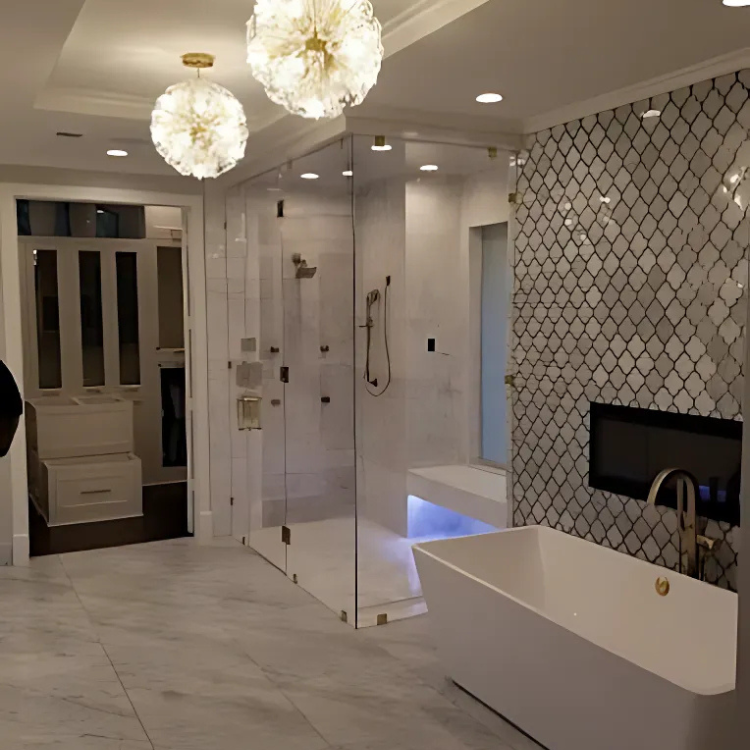
Frameless Shower Doors for Leaks, Drafts, and Gaps
If you are seeing water creep outside the shower or feeling cold air near the glass, the door and panel alignment matter more than most people expect. This guide explains what typically causes leaks and drafts with frameless setups, what to check first in your Austin, TX bathroom, and how to choose the right shower enclosures and shower door glass layout for a tighter seal.
Your shower door looks “mostly closed,” but after a few minutes you notice a small puddle near the floor or a damp edge on the vanity side. On humid mornings, you may also feel a draft along the glass where water and air seem to sneak through.
That is usually not a mystery. With frameless glass shower doors, even small gaps around the door and custom glass panels can change how water runs, where it lands, and how well the system holds up over time. This guide helps you understand the common causes behind leaks, drafts, and gaps, and what to ask when you are planning shower door replacement in Austin, TX.
- Quick answer
- What to check first
- Main things customers should understand
- Why this matters in Austin, TX
- Common mistakes to avoid
- Customer checklist
- Frequently asked questions
Quick Answer
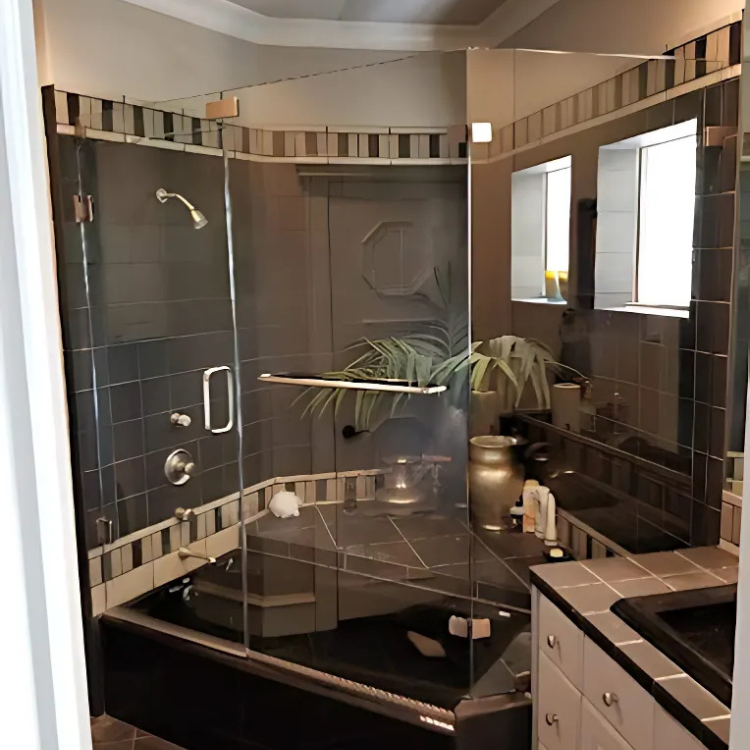
Frameless shower doors usually leak or draft when the door is not aligned to the opening, the glass has gaps at the right edges, or the shower enclosures are not sealed where water actually travels. Start by checking the bottom edge, the hinge or pivot side, and the fixed panel intersections for visible gaps and consistent contact. Then plan a proper shower glass installation that accounts for your specific opening and wall conditions. If water is escaping repeatedly, the practical next step is to have the layout verified and the glass panels adjusted or replaced for a tighter fit.
What to Check First
Before you order new glass, do a quick inspection so you can describe the problem clearly. Use a dry towel around the floor outside the shower and run the shower for a short period, then check exactly where the water shows up. That location guides whether the issue is the bottom seal, side alignment, or a panel-to-wall mismatch.
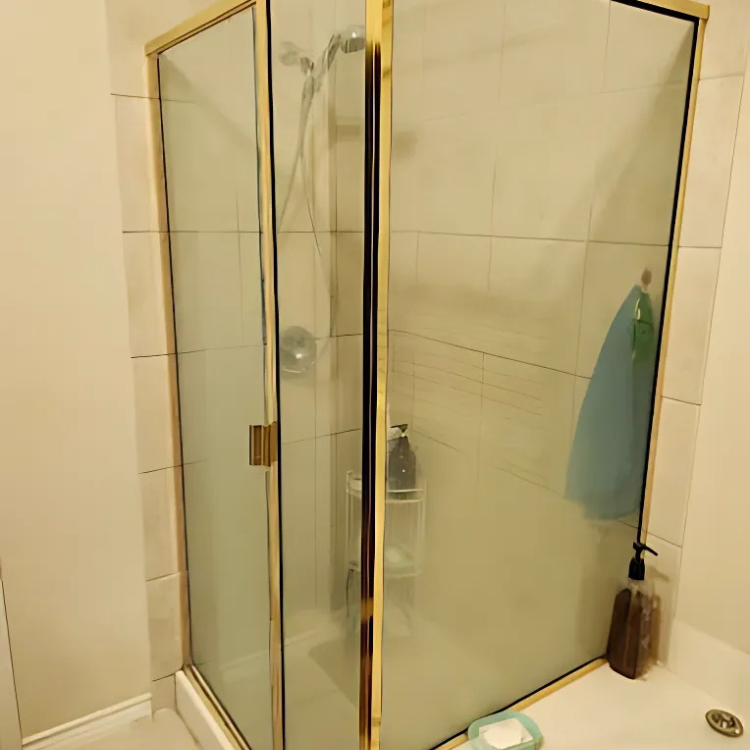
Bottom edge and threshold
Look for water tracks that start at the base and run outward. A door that does not sit squarely can create a path even if the door “looks closed.”
Hinge or pivot side (door swing)
If you have hinged shower doors or pivot shower doors, check whether the side gap changes as the door closes. Uneven contact can let water and air escape.
Fixed panel intersections
For shower enclosures with custom glass panels, watch the corners where panels meet each other or meet the wall. Those intersections are common leak points.
Main Things Customers Should Understand
Frameless glass shower doors can look simple, but the sealing performance depends on multiple “small” decisions made during measurement, layout, and installation. A tight fit is not just about the glass size. It is also about how the door and panels relate to the shower base, walls, and any corner geometry.
Professional observation: A leak pattern often tells you which edge needs attention. If water appears first at the base, focus on the bottom seal and alignment. If it starts at a corner seam, the intersection between custom glass panels is usually the key.
1) Opening shape and wall conditions
Even in newer Austin, TX homes, walls and tile surfaces can be slightly out of square. With custom shower glass, that means the installer needs to plan the glass wall panels to match the real opening, not just the measurements from the studs.
2) Door type and how the seal behaves
Different designs move differently during closing. Hinged shower doors and pivot shower doors can shift the contact points as the door swings. Sliding shower doors can change how water is deflected depending on overlap and guide alignment. Matching the door style to your bathroom layout helps reduce drafts and helps water stay where it belongs.
3) Corner and layout complexity
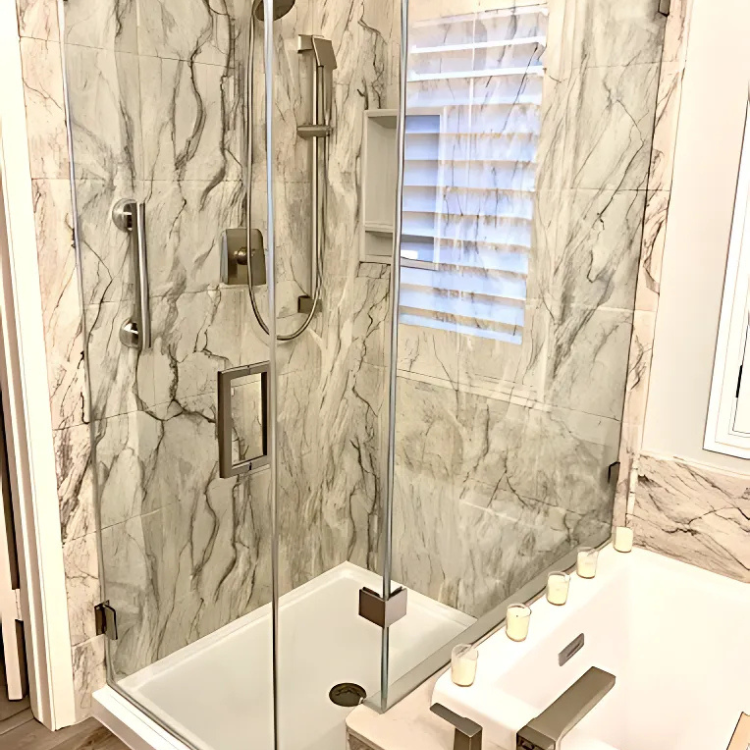
If you have a corner shower enclosure, a neo angle shower doors setup, or any unusual geometry, the sealing performance depends on how the custom glass panels are cut and installed. Corner enclosures often require careful detailing so the glass panels meet cleanly and do not leave a hidden gap.
4) Drafts are often “air paths” created by gaps
Water and air follow similar routes. A small gap near the door edge can let steam escape and create that cold-air feeling when the bathroom is cooler than the shower. Correct alignment and a properly fitted shower door installation plan can address both.
| Situation you notice | Most likely cause | What to ask about |
|---|---|---|
| Water escapes near the bottom edge | Bottom seal contact or door alignment | Verification of base level and bottom-edge fit during shower glass installation |
| Water appears more at one side when the door closes | Hinge/pivot alignment or inconsistent contact | How the door swing and seal contact points will be adjusted for your opening |
| Water shows up at corners or where panels meet | Panel-to-panel or panel-to-wall intersection gaps | Custom glass panels layout for a tighter intersection |
| Cold air feels like it “leaks” near glass | Air paths created by gaps around the door edge | Whether the enclosure layout can be refined to reduce drafts |
Ready to stop the leaks and close the gaps?
If you are dealing with shower door glass that does not sit tight, Shower Doors of Austin can help you review your setup and plan the right frameless shower doors solution for your Austin bathroom.
Contact Shower Doors of AustinWhy This Matters in Austin, TX
Austin bathrooms see a lot of daily temperature swings, especially when showers run during cooler mornings or when HVAC cycles differently across the home. When your glass shower doors do not seal consistently, steam can escape where water also tends to travel, which can leave damp edges and make cleaning feel never-ending. A well-fitted shower enclosure helps keep the shower area contained, which matters in both busy households and rental properties across Austin, TX and surrounding areas.
Common Mistakes to Avoid
Homeowners often try to solve the problem by focusing only on the glass look. With frameless glass shower doors, the fit is the function. A few missteps can keep the leak and draft issue going even after the door “gets replaced.”
Common mistake #1: Measuring once and assuming the opening is square. Tile and walls can be slightly off, so custom shower glass needs to match the real space.
Common mistake #2: Choosing the door type without considering your bathroom layout. Hinged, pivot, and sliding designs behave differently when closing, which affects where gaps form.
Common mistake #3: Ignoring fixed panel intersections. Even if the door closes tightly, water can still escape at corner seams where custom glass panels meet.
Customer Checklist
Use this checklist before you schedule shower door replacement or a new shower enclosure. It helps you communicate the issue clearly and makes the measurement and installation planning more accurate.
- Identify where water first appears outside the shower after running water for a short time.
- Note whether the leak changes when you close the door (hinged or pivot) or when overlap shifts (sliding).
- Check the bottom edge contact and whether the door feels evenly seated when closed.
- Inspect corners and intersections for visible gaps where custom glass panels meet each other or the wall.
- Measure key clearances around the existing opening and confirm whether the layout is a corner enclosure or a more complex shape.
- Decide what you want to prioritize: leak reduction, draft reduction, or improving the overall glass shower doors look.
Representative Scenario: Austin Home with Persistent Water Trails
A homeowner in Austin, TX noticed water trails starting at the base of their glass shower doors and spreading toward the outside edge of the shower pan after every use. The door looked aligned at first glance, but the water consistently appeared near the bottom corner. After closer inspection, the issue was linked to how the door met the opening and how the fixed panel intersection handled water at the seam. The solution centered on verifying the enclosure layout and refining the fit of the custom glass panels so the gaps were reduced where water and steam were escaping.
Frequently Asked Questions
Here are practical answers to common questions homeowners ask when they are considering frameless shower doors for leaks, drafts, and gaps.
Are frameless shower doors actually better at preventing leaks than other styles?
Frameless shower doors can perform very well when the installation is planned around your exact opening. The “frameless” look does not automatically guarantee a tight seal. Leaks and drafts typically come from alignment, bottom-edge contact, and gaps at intersections between custom glass panels. When the shower door installation accounts for the shower base, wall conditions, and corner geometry, frameless glass shower doors can help keep water contained and reduce air escape.
What is the most common place leaks show up on a shower enclosure?
Many leaks start at the edges that seal last: the bottom edge of the door and the corner seam where panels meet. If you see water first near the floor, it often points to bottom contact or alignment. If you see water first at a corner, it usually relates to the intersection between custom glass panels or where the enclosure meets the wall. A quick test with a dry towel can help you pinpoint the exact starting point.
Can a shower door replacement fix drafts as well as leaks?
Yes, in many cases. Drafts often follow the same air paths created by gaps. When the door and panels do not sit tightly in the opening, steam can escape and cold air can feel like it moves through the glass area. By refining the fit during shower glass installation, you can reduce the gaps that create both water escape and air movement. The key is matching the enclosure layout to your specific bathroom conditions, not using a one-size approach.
Do I need a sliding shower door or hinged shower doors for my bathroom?
The right choice depends on how your bathroom is laid out and where you want clear access. Hinged shower doors and pivot shower doors can work well when you have room for the door swing, while sliding shower doors are often chosen when space is tight. The most important factor is how the door style affects the sealing behavior when it closes. A good measurement process and enclosure plan help you avoid gaps that lead to leaks and drafts.
Is custom shower glass always required?
Not every situation requires fully custom glass panels, but many leak and draft problems do. If your opening is not perfectly square, if you have a corner shower enclosure, or if you have a neo angle shower doors layout, custom shower glass often makes it easier to create a tighter fit. Even when you are replacing shower door glass, the installation plan should be built around the real opening so the door and panels align where water travels.
Get a door and enclosure fit review in Austin, TX
When leaks and drafts keep returning, the solution is usually in the fit. Shower Doors of Austin can help you choose the right frameless setup and plan the shower door installation so your shower enclosures seal where it matters.
(512) 831-3651Helpful related glass options
If you are updating more than just the shower door, these pages can help you understand other frameless glass and enclosure styles that pair well with shower enclosures.

About Shower Doors of Austin
Shower Doors of Austin provides shower door glass solutions for homeowners and property managers in Austin, TX and surrounding areas. If your current glass shower doors have leaks, drafts, or gaps, the goal is a better-fitting frameless shower doors setup built around your specific bathroom layout. From shower enclosures to custom glass panels, the focus is on practical performance: keeping water where it belongs and improving comfort around the glass.