
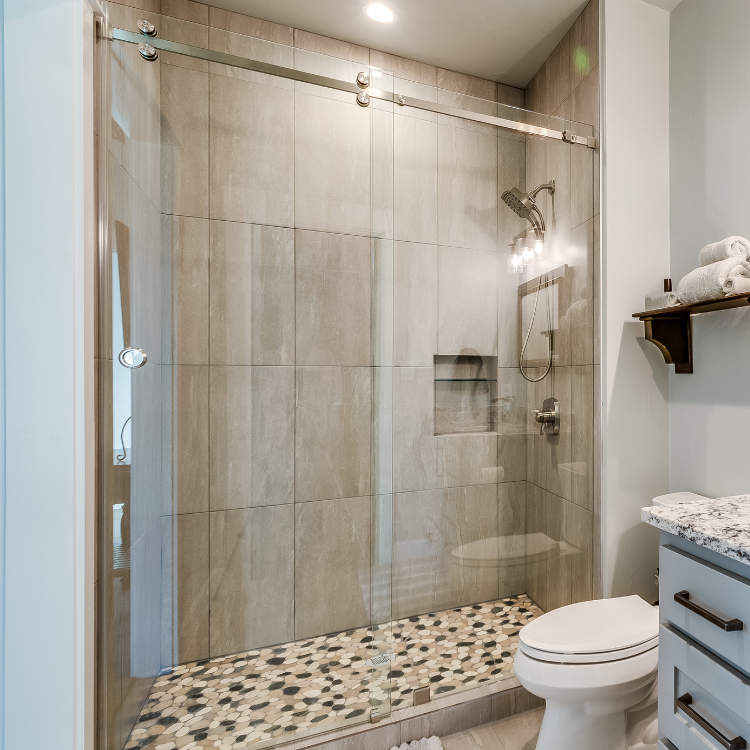
Sliding Shower Doors with Quiet, Smooth Operation
Austin mornings are busy enough without a shower door announcing itself every time you step in. That harsh metal-on-metal scrape or rattling roller is more than just annoying—it’s a daily reminder that your bathroom isn’t working as smoothly as it should. As more homeowners in Austin invest in high-end finishes, quiet, smooth-operating sliding shower doors have become a must-have, not a luxury.
Industry surveys show that bathroom upgrades consistently rank among the top three remodeling projects for return on investment, and glass shower systems are one of the most requested features. At the same time, noise complaints about older sliding doors are a leading reason people call for shower door replacement.
This guide walks you through what truly makes a sliding system quiet and effortless, the differences between budget and premium hardware, and how to choose the right configuration for your Austin home. You’ll see real examples from local projects, learn what to look for in materials and installation, and understand how to get years of silent, smooth performance from your shower.
Key Insight: A quiet, smooth sliding shower door isn’t just about the glass—it’s the combination of quality hardware, precise installation, and smart design tailored to your space.
Why Quiet, Smooth Sliding Doors Matter in Modern Austin Homes
Noise tolerance in homes has changed. Open floor plans, higher ceilings, and more glass surfaces can all amplify sound. In Austin’s dense neighborhoods—from Mueller townhomes to condos downtown—bathroom noise travels more than many people expect.
A loud or jerky shower door has three major impacts:
- It disrupts early mornings and late nights, especially in smaller homes or condos.
- It signals wear and tear, lowering the perceived quality of an otherwise updated bathroom.
- It can indicate misalignment or failing hardware, which often shortens the life of the entire system.
One Austin couple in a Zilker bungalow recently called us about their five-year-old sliding shower. The glass looked fine, but the door shook every time they moved it, and the rollers squealed. On inspection, we found builder-grade hardware and a track packed with hard water deposits. We upgraded them to a premium system with soft-close rollers and thicker tempered glass. Their feedback a week later: “We didn’t realize how much that noise stressed us out until it was gone.”
“Small, daily frustrations like a noisy door add up. Fixing them changes how you feel in your own home.” — Senior Designer, Shower Doors of Austin
For homeowners investing in Custom Shower Glass, the expectation is a spa-like experience: visually open, safe, and quiet. A well-designed sliding system delivers all three.
CALLOUT: If your door rattles, grinds, or needs a “tug” to move, that’s not normal wear—that’s a sign your hardware and alignment need attention.
The Hardware Behind a Silent, Effortless Glide
The secret to a quiet sliding shower door is almost never the glass itself—it’s the hardware. Tracks, rollers, guides, and bumpers determine how smoothly and silently the door moves.
Key components of a quiet system
- Precision rollers: High-quality ball-bearing rollers distribute weight evenly and roll smoothly along the track. Cheaper nylon wheels often flatten or chip, creating noise and resistance.
- Rigid, properly sized track: A solid, well-anchored header prevents flexing and vibration. In frameless systems, that header is engineered to carry the full weight of the glass.
- Soft-close or dampened mechanisms: These slow the door at the end of its travel, preventing slams and reducing noise.
- Bottom guides: Properly installed guides keep the glass aligned so it doesn’t wobble or chatter as it moves.
On a recent project in a Steiner Ranch home, the clients were upgrading to Frameless Shower Doors and wanted the clean look of exposed hardware without sacrificing quiet operation. We specified a premium sliding system with oversized stainless rollers and integrated soft-close. Even with heavy 3/8″ tempered glass, the door can be moved with a fingertip—and it closes in near silence.
Quality hardware also matters for long-term performance in Austin’s humid climate. Inferior metals can corrode, increasing friction and noise over time. We use corrosion-resistant components designed for wet environments, which is especially important in bathrooms without strong ventilation.
Glass Thickness, Design, and How They Affect Operation
The thickness and configuration of your glass play a major role in how your sliding door feels and sounds. Heavier glass, when paired with the right hardware, often results in a smoother, more stable glide.
Glass thickness and performance
- 5/16″ glass: Common in lighter-duty systems, but more prone to vibration and rattling if the hardware isn’t robust.
- 3/8″ glass: The sweet spot for most high-quality Sliding Shower Doors. It provides a solid feel and reduces flex.
- 1/2″ glass: Used in some luxury installations; very stable but requires engineered hardware and support.
We installed a large bypass sliding system for a family in Circle C who wanted a wide opening but had limited swing space. By upgrading from 5/16″ to 3/8″ tempered glass and using a heavier-duty track, we reduced vibration significantly. The door now glides quietly despite daily use by three kids.
Configuration also matters:
- Single sliding panel with fixed panel: Clean look, fewer moving parts, often quieter.
- Bypass doors (both panels slide): Great for tub-shower combos or narrow bathrooms, but require careful hardware selection to maintain stability.
- Corner and alcove Shower Enclosures: The way the panels meet in the corner or along the curb affects how sound and vibration travel through the system.
“Thicker glass, properly supported, acts like a damper. It absorbs vibration instead of amplifying it.” — Lead Installer, Shower Doors of Austin
For homeowners designing full Custom Interior Glass solutions—such as glass room dividers or bathroom glass enclosures—matching glass thickness and hardware across the space creates a consistent, quiet experience.
CALLOUT: Heavier glass doesn’t automatically mean a heavier feel. With the right rollers and track, it often feels lighter to move than thinner glass on budget hardware.
Traditional vs. Modern Sliding Systems: A Practical Comparison
Not all sliding shower doors are created equal. Many Austin homes still have older framed or semi-frameless sliders with clunky tracks that collect grime and amplify noise. Modern systems are designed for both aesthetics and performance.
How they compare
| Feature / Factor | Traditional Framed Slider | Modern Frameless / Semi-Frameless Slider |
|---|---|---|
| Typical Glass Thickness | 3/16″–1/4″ | 3/8″ (sometimes 1/2″) |
| Noise Level | Moderate to high (rattling, scraping) | Low, especially with premium hardware |
| Maintenance | Tracks trap water and soap; more cleaning | Easier to clean; fewer dirt traps |
| Visual Impact | Heavier metal lines, dated look | Clean, open, high-end appearance |
| Customization Options | Limited sizes and finishes | Extensive options for size and hardware |
| Average Lifespan (with care) | 8–10 years | 15+ years with quality components |
| Typical Use in Austin | Older builds, builder-grade installations | Remodels, custom homes, luxury condos |
We recently replaced a traditional framed slider in a Crestview remodel. The homeowners were updating to a more modern look and were tired of cleaning the bottom track. We installed a semi-frameless bypass system using premium rollers and a low-profile sill. The difference in noise level was dramatic—no more metal-on-metal scraping, and much less water and soap buildup.
For homeowners already planning Frameless Glass Shower Doors, upgrading to a modern sliding system often adds only a small incremental cost compared to the overall bathroom renovation—but the daily improvement in use is substantial.
Installation Quality: The Difference Between Smooth and Struggling
Even the best hardware and glass will feel rough or noisy if the installation is off by just a few millimeters. Austin homes, especially older ones, often have walls and floors that are out of level or out of plumb. A skilled installer knows how to work with those imperfections.
Why installation matters so much
- Precise leveling: Tracks and headers must be perfectly level. Even a slight tilt can cause the door to roll on its own or bind in one direction.
- Plumb walls: Out-of-plumb walls require shimming and careful measurement so the glass hangs correctly and doesn’t rub.
- Proper clearances: The gap between the glass and the curb or tub ledge must be consistent to avoid scraping and noise.
- Secure anchoring: Fasteners must be set into solid backing, especially in areas like Westlake and Tarrytown where stone or heavy tile is common.
On a recent downtown Austin high-rise project, we were called in after another contractor’s install left the door drifting open and making a grinding sound at one end. We discovered the header was slightly out of level and the bottom guide misaligned. After re-leveling and adjusting the rollers, the door closed softly and stayed put.
“Quiet operation starts with the tape measure. If the opening isn’t measured and prepared correctly, you’ll never get a truly smooth glide.” — Project Manager, Shower Doors of Austin
Professional installation also ensures that the system maintains its performance over time. A properly aligned door puts less stress on rollers and guides, extending their lifespan and reducing the need for future adjustments.
CALLOUT: If your newly installed door is noisy or hard to move, speak up right away. A reputable installer will make adjustments until the operation is truly smooth.
Everyday Use, Maintenance, and Longevity in Austin’s Climate
Austin’s hard water and humidity can shorten the life of a sliding shower door if the system isn’t designed and maintained with those factors in mind. The goal is to keep the operation quiet and smooth not just for months, but for many years.
Simple habits that protect your door
- Rinse and squeegee: Regularly removing soap and minerals from the glass and track reduces buildup that can cause friction.
- Check the track: Wipe the track and bottom guide weekly to keep debris from interfering with the rollers.
- Inspect seals and bumpers: These components help soften contact points and reduce noise; replacing worn pieces keeps the door quiet.
- Avoid harsh chemicals: Abrasive cleaners can damage metal finishes and increase roughness on contact surfaces.
For a family in South Austin with a busy household, we installed a bypass system with treated glass to help resist mineral buildup. At their one-year check-in, the rollers still operated like new, and the track was nearly spotless—thanks to a simple routine of wiping down after use.
Many homeowners who invest in Custom Mirrors, glass shelving, and other bathroom glass features are already paying attention to cleaning products and routines. Extending that care to the shower door hardware is straightforward and pays off in quieter operation.
Integrating Quiet Sliding Doors into a Cohesive Glass Design
Sliding shower doors don’t exist in isolation, especially in higher-end Austin homes. They’re often part of a larger glass design that might include mirrors, shelving, railings, or even wine rooms. When planned together, these elements create a consistent, quiet, and visually seamless experience.
Building a unified glass aesthetic
- Match finishes: Hardware finishes on your shower—such as brushed nickel, matte black, or brass—can coordinate with Stair Rail Glass, cabinet glass, and other fixtures.
- Repeat glass thickness: Using similar glass thickness in Custom Glass Table Tops, shower doors, and partitions creates a cohesive, high-end feel.
- Consider acoustics: Thoughtful use of glass—such as Custom Wine Rooms with well-sealed doors—can help manage sound between open areas.
A recent whole-home project in West Austin is a good example. The homeowners wanted a sleek, modern aesthetic with glass throughout: frameless sliding shower doors, a glass-walled wine room, and a minimalist glass staircase railing. By selecting compatible hardware systems and planning all the glass at once, we ensured the sliding doors were as quiet as the wine room door and the railing attachments. The result is a home that feels calm and solid, with no rattles or clanks as doors move.
“Designing all the glass together lets us think about sightlines, sound, and daily use as one unified experience.” — Design Consultant, Shower Doors of Austin
For clients who want to add personality, Custom Etched Glass can bring subtle patterns or privacy to sliding doors without sacrificing the quiet, smooth operation of a premium system.
What This Means for Homeowners in Austin, TX
Austin’s housing mix—from historic bungalows and mid-century ranches to new downtown condos and Hill Country estates—creates unique challenges and opportunities for sliding shower doors.
In compact condos near the University of Texas or the Domain, sliding systems are often the only practical choice due to limited swing space. In these settings, quiet operation is crucial because bathrooms are closer to living and sleeping areas. A noisy door in a 700-square-foot condo feels much louder than in a larger home.
In larger homes in areas like Lakeway or Dripping Springs, homeowners are investing heavily in spa-style bathrooms with expansive Shower Enclosures. For these projects, the expectation is that every element—from the shower door to the Cabinet Glass and Door Glass—feels substantial, quiet, and well-crafted.
Austin’s hard water and humidity also mean that systems designed for drier climates don’t always perform as well here. Hardware must resist corrosion and buildup, and installations must consider ventilation and drainage to keep movement quiet over time.
Finally, the city’s active remodeling market means many homeowners are replacing builder-grade sliders installed during rapid growth years. Upgrading to a thoughtfully designed, quiet sliding system is one of the fastest ways to elevate both the look and daily feel of a bathroom.
For Austin homeowners, the message is simple: a sliding shower door can be more than just a space-saving choice. With the right design, materials, and installation, it becomes a silent, seamless part of your everyday routine—one that matches the quality of the rest of your home.
Frequently Asked Questions
Q: How quiet can a sliding shower door really be?
A: With quality hardware and proper installation, a sliding shower door can operate with almost no audible noise—especially in a typical Austin bathroom with tile and drywall. You might hear a soft whoosh of air as the door moves, but you shouldn’t hear grinding, rattling, or metal-on-metal contact. Systems with soft-close mechanisms are particularly quiet because they slow the door at the end of its travel. If you’re upgrading from an older framed slider, the difference in sound level is usually dramatic and immediately noticeable.
Q: Will a frameless sliding door work in my small Austin bathroom?
A: Yes, frameless or semi-frameless sliding systems are often the best choice for small bathrooms in older Austin neighborhoods like Hyde Park or South Lamar. They save swing space, make the room feel larger, and, when designed well, can be extremely quiet. The key is to measure carefully and choose a configuration—single slider or bypass—that fits your layout. An experienced installer will look at your wall conditions, curb, and plumbing locations to recommend a system that operates smoothly without compromising access or comfort.
Q: Is it worth replacing my existing builder-grade slider if it still “works”?
A: Many homeowners call us when their existing slider still technically functions but is noisy, hard to clean, or feels flimsy. If your door rattles, grinds, or constantly collects grime in the track, upgrading is often worth it—especially if you’re already investing in new tile or fixtures. A new Sliding Shower Door with better hardware and thicker glass will be quieter, safer, and more visually appealing. In Austin’s competitive housing market, these upgrades can also improve resale appeal, particularly in remodeled bathrooms.
Q: How do Austin’s hard water and humidity affect sliding shower doors?
A: Hard water in Central Texas leaves mineral deposits that can build up in tracks and on rollers, increasing friction and noise over time. Humidity can also accelerate corrosion on lower-quality metals. That’s why we recommend corrosion-resistant hardware and, when appropriate, glass treatments that help repel water. Simple maintenance—like rinsing, squeegeeing, and periodically wiping the track—goes a long way. During Shower Glass Installation, we also look at ventilation to help reduce moisture buildup in the bathroom.
Q: Can my existing tub or tile support a new quiet sliding system?
A: In many cases, yes. We often retrofit modern, quiet sliding systems onto existing tubs and tiled alcoves in Austin homes. The main considerations are the condition and level of the tub deck or curb, the strength of the wall backing, and whether the opening is reasonably square. During an on-site evaluation, we’ll check these factors and determine if any minor prep work is needed. If you’re planning a full remodel, we can coordinate with your contractor to ensure the framing and tile layout are optimized for a smooth-operating door.
Q: How long does professional shower door installation take, and will it be disruptive?
A: Most Shower Door Installation projects for sliding systems can be completed in a single visit once the glass and hardware are ready—typically just a few hours on site. We schedule around your routine, protect surrounding finishes, and clean up thoroughly afterward. For busy Austin households, the disruption is minimal: you’ll usually be able to use the shower the next day, depending on cure times for any sealants. Our installers also walk you through operation and care so you can keep the door quiet and smooth from day one.
Q: What if my sliding door becomes noisy again a year or two after installation?
A: A well-installed system with quality components should remain quiet for years, but everyday use, hard water, and house movement can eventually cause minor changes. Often, a simple cleaning of the track and a quick adjustment of the rollers or guides restores smooth operation. We stand behind our work and offer service options for adjustments or Shower Door Replacement if hardware has reached the end of its life. Addressing changes early prevents more serious wear and keeps your door gliding quietly.
Ready to Get Started?
Quiet, smooth-operating sliding shower doors are one of those upgrades you appreciate every single day. If your current door rattles, grinds, or just feels dated, now is an ideal time to explore a better solution—especially if you’re already planning bathroom updates or preparing your home for sale in Austin’s active market.
Lead times for custom glass can vary seasonally, particularly during peak remodeling months in spring and fall. Starting the process now means you can finalize design, hardware, and glass details and schedule installation at a time that works best for you. Our team will assess your existing space, recommend the right system, and provide a clear, detailed estimate so there are no surprises.
Whether you need a single sliding door upgrade or a full suite of glass solutions throughout your home, Shower Doors of Austin can help you create a quiet, cohesive, and durable result.
About Shower Doors of Austin
Shower Doors of Austin specializes in high-quality glass solutions for homes across the Austin, TX area, from downtown condos to Hill Country estates. Our team has decades of combined experience designing and installing Custom Showers, frameless and semi-frameless systems, and specialty glass projects. Known for precise craftsmanship, attentive service, and deep knowledge of local building conditions, we partner with homeowners, designers, and builders to deliver glass that looks beautiful and performs quietly for years.