
Sagging Tracks and Leaks: Sliding Shower Door Repair
If your sliding shower doors don’t glide smoothly anymore and water shows up outside the shower, the cause is often track misalignment, worn rollers, or damaged seals. This guide helps you understand what to check first, what typically needs adjustment or replacement, and when it is smarter to repair vs. replace.
Last week, you notice the first signs: the shower door feels heavier to slide, and you have to nudge it to get it to close. Then you wipe the tile after a shower and see a wet line where the doors meet the wall and base.
In Austin, TX, that kind of recurring moisture can turn into a bigger headache fast, especially in bathrooms with older shower enclosures or frequent use. This guide will help you identify the most likely reasons sliding shower doors start to sag and leak, so you can decide what to troubleshoot now and what should be handled by a glass and shower door specialist.
- Quick Answer
- What to Check First
- Main Things Customers Should Understand
- Why This Matters in Austin, TX
- Common Mistakes to Avoid
- Customer Checklist
- Frequently Asked Questions
Quick Answer
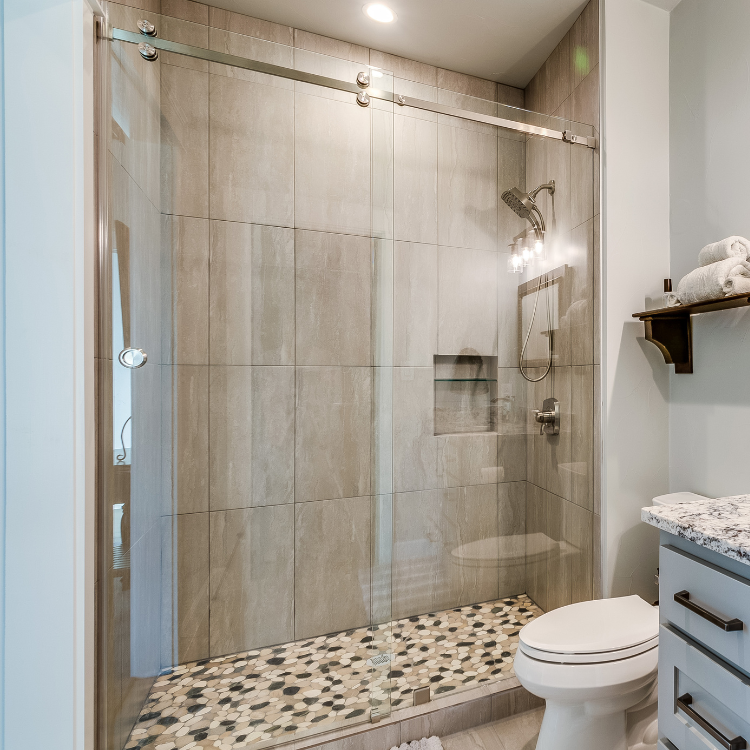
If your sliding shower doors are sagging and leaking, the most common fix is correcting alignment and replacing worn components like rollers or door seals, along with cleaning or re-leveling the track. Start by checking whether the doors close evenly, whether the bottom sweep seals fully contact the glass and track, and whether there is visible damage or corrosion. Because misaligned glass can worsen quickly, a practical next step is to schedule a repair assessment so the shower enclosure is adjusted correctly and water is directed back into the shower.
What to Check First
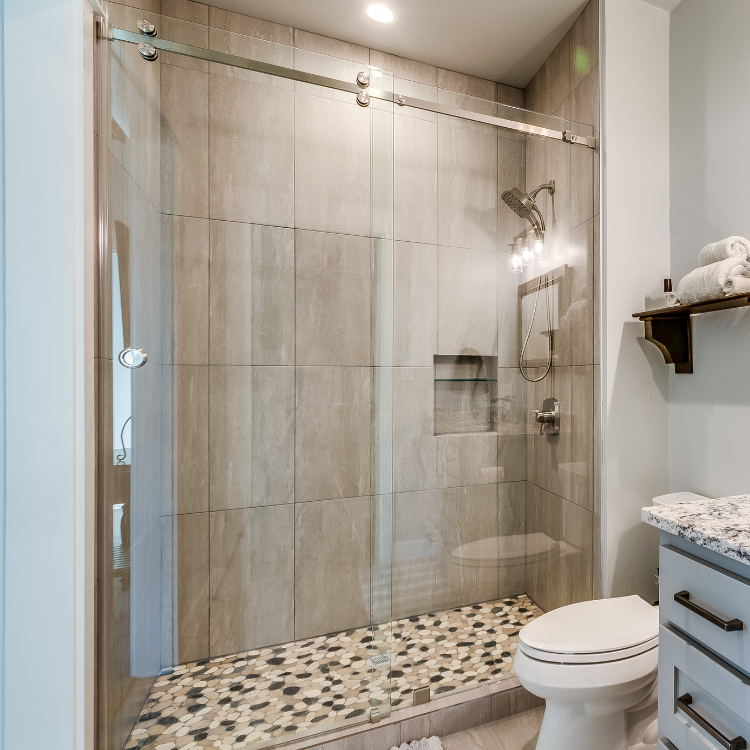
Before you buy parts or make adjustments, do a quick, careful inspection. Sliding shower doors usually fail in predictable places: the bottom track, the rollers that carry the weight of the glass, and the seals that stop water from escaping. If you only address one symptom, the leak often returns because the door is still out of alignment.
1) How the doors meet
Close both panels and look for gaps along the meeting line. If one side sits lower, the door may be riding on the wrong roller height or a track that has shifted.
2) The bottom sweep contact
Inspect the bottom seal or sweep for gaps, cracks, or flattening. A worn sweep can leak even if the door looks “mostly closed.”
3) Track condition
Check the bottom track for debris, scale, or corrosion. Stiff sliding often comes from buildup that prevents rollers from moving smoothly.
Professional observation: When sliding shower doors start to feel like they are “dragging,” it is frequently not just dirt. Roller wear, track deformation, or slight frame movement can change how the glass sits, which then pushes water past the seals during normal use.
Main Things Customers Should Understand
Sliding shower door leaks are usually the result of alignment plus sealing. If the track sags even slightly, the door can close under tension, leaving a small gap that water finds immediately. Over time, that gap can also cause additional wear to rollers and sweeps, making the door harder to slide.
| What you notice | Likely cause | Typical repair direction |
|---|---|---|
| Door feels uneven when sliding | Worn rollers or track misalignment | Roller replacement and track adjustment so the glass rides level |
| Water leaks at the bottom | Bottom sweep/seal not contacting evenly | Seal replacement and alignment check to restore full contact |
| Water leaks near the side edges | Door not closing squarely to the frame | Adjust closure position and verify frame alignment |
| Metal track looks corroded or bent | Track deformation over time | Track inspection; replacement may be needed to prevent repeat issues |
In many Austin, TX bathrooms, shower enclosures have been in place for years and see regular use. That makes it common to find mineral buildup from hard water and soap residue, which can hide the real issue. The door may still move, but it moves incorrectly. That is why a proper diagnosis usually includes checking how the glass sits, not just how it slides.
If you are exploring a broader upgrade, it can also be helpful to understand the differences between sliding shower doors and other shower enclosure styles. For example, if your current setup is constantly fighting alignment, you may want to compare options like sliding shower doors with alternative configurations within your bathroom layout.
Get your sliding shower door alignment checked
When tracks sag and seals stop sealing, the fix is usually more than cleaning. Shower Doors of Austin can help identify what is causing the leak and recommend the right sliding shower door repair approach for your specific shower enclosure.
(512) 831-3651Why This Matters in Austin, TX
In Austin, TX, bathrooms often see heavy, year-round use, and recurring moisture matters. When a sliding shower door leak persists, it can contribute to damp surfaces around the base and side edges of the enclosure, which is especially noticeable in showers with tile surrounds and older caulking lines. Addressing sagging tracks and sealing issues early helps protect the surrounding areas and reduces the chance the door hardware wears out faster.
From what we commonly see in homes and multi-unit properties, the “small gap” that causes a visible wet line can be the same gap that makes rollers run unevenly. One homeowner might think, “It closes, so it’s fine,” but the door is still riding low on one side. That low ride is what turns a minor seal issue into a repeated leak.
Customer-focused tip: If you notice the leak happens only after certain door positions, that is a sign of alignment. Try sliding the doors open and closed slowly and watch whether one panel settles differently near the close point.
Common Mistakes to Avoid
When sliding shower doors sag and leak, it is tempting to take shortcuts. Unfortunately, a few common choices can make the problem worse or hide the true cause.
- Over-cleaning with the wrong chemicals: Aggressive cleaners can damage seals and finishes, reducing sealing performance.
- Adjusting hardware without checking level: If the track is off, adjusting rollers blindly can increase the gap at the meeting line.
- Replacing only the bottom sweep: A new sweep may still leak if the door is still riding unevenly.
- Ignoring roller wear: Worn rollers can cause jerky movement and uneven closure, leading to repeat leaks.
- Forcing the door closed: If the door is under tension, you can stress the frame and seals.
Customer Checklist
Use this checklist before you call for sliding shower door repair. It helps you describe the problem clearly and gives your repair specialist the details needed to diagnose sagging tracks, leaks, and seal wear.
- Confirm where water appears: bottom seam, meeting line, or side edges.
- Check whether both doors close evenly or one sits lower.
- Inspect the bottom sweep/seal for cracks, flattening, or visible gaps.
- Look for buildup in the bottom track and remove visible debris carefully.
- Test slide smoothness with light pressure and note any sticking points.
- Take note of when the issue started: after cleaning, after heavy use, or after a door bump.
- Decide whether you want to maintain your current shower enclosure design or explore options like frameless or semi-frameless glass.
Representative scenario
A homeowner in Austin, TX notices their sliding shower door now “catches” near the end of the closing cycle. The leak shows up only after a full shower, with water pooling just outside the track area. After a close look, they find one panel sits slightly lower than the other, and the bottom sweep is not contacting evenly along the full length. The repair path focuses on roller and track alignment so the glass rides level, then restores sealing contact so the leak stops recurring.
Frequently Asked Questions
Can I fix a leaking sliding shower door by just cleaning the track?
Cleaning can help if the rollers are sticking due to soap scum or mineral buildup, but it will not correct misalignment. If the door closes with a visible gap, the seal will still fail even when the track is clean. A leak that returns after normal use often points to worn rollers, a sagging track, or a bottom sweep that no longer makes full contact. A repair assessment can confirm whether cleaning is enough or whether alignment and sealing need attention.
What usually causes sliding shower doors to sag?
Sagging is commonly linked to track deformation, uneven roller wear, or movement in the shower enclosure frame over time. When one side rides lower, the door can close under tension, which then makes seals wear faster and increases the chance of leaks. In Austin, TX, frequent bathroom use combined with mineral buildup can also contribute to uneven motion, making a small alignment issue more noticeable. The key is diagnosing the cause, not just the symptom.
Is it better to repair or replace a shower door when seals keep failing?
Repair is often the right first step when the glass is intact and the issue is alignment, worn rollers, or a damaged bottom sweep. If the track is bent or severely corroded, replacement of the affected components may be necessary to prevent the leak from coming back. Replacement becomes more relevant if multiple parts are worn at once or if the shower enclosure design no longer matches your desired performance needs. A specialist can help you weigh repair vs. replacement based on what is actually failing.
What parts are commonly replaced during sliding shower door repair?
Repairs often focus on rollers and sealing components, such as the bottom sweep or door seals. If the track is the source of the problem, the track may also be inspected and replaced. In some cases, the closure position or mounting alignment needs adjustment so the glass sits correctly. Your repair specialist will typically start by checking how the door rides and where water escapes, then replace only what is necessary to restore smooth operation and proper sealing.
How can I choose a glass shower enclosure approach for future projects?
If you are considering options beyond repair, it can help to compare shower enclosure styles and how they handle water and cleaning. For example, some homeowners prefer designs that reduce the number of surfaces where residue builds up. You can also explore related options like custom shower enclosures and other glass configurations. A professional can guide you based on your existing layout and whether you want to keep the current sliding setup or move toward a different style.
Ready to stop the leak and restore smooth sliding?
Shower Doors of Austin services Austin, TX and surrounding areas. If your sliding shower doors sag, drag, or leak, a proper diagnosis can help you get back to a door that closes evenly and seals correctly.
Contact Shower Doors of Austin
About Shower Doors of Austin
Shower Doors of Austin helps homeowners and property managers in Austin, TX with shower door repair and glass solutions, including work connected to custom shower glass and frameless shower doors. Our focus is practical, homeowner-friendly troubleshooting so your shower enclosure operates correctly and protects the surrounding bathroom surfaces from recurring leaks.
For sliding shower door glass installation, shower door replacement, and shower glass replacement related to leaks and sagging tracks, reach out at (512) 831-3651.