
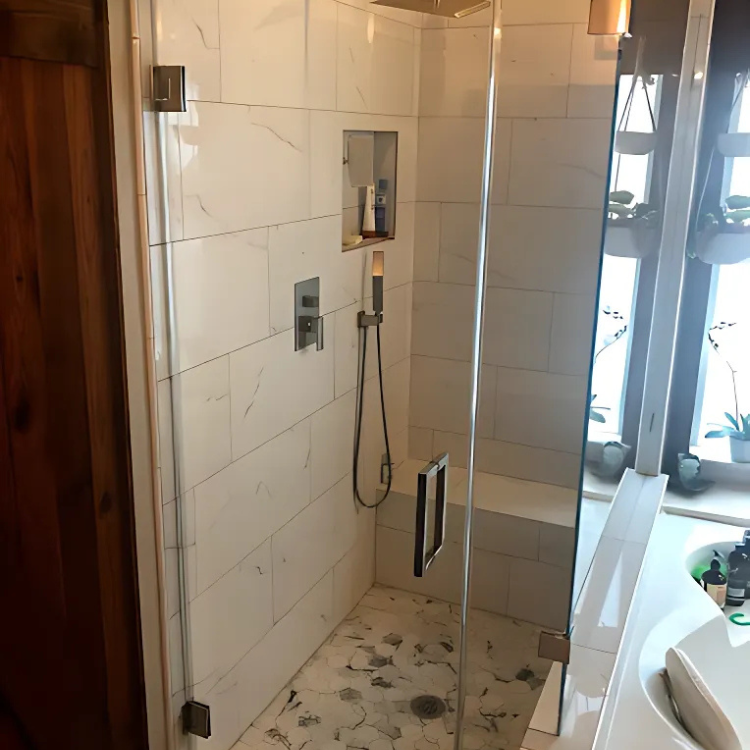
Safety Tips for Glass Shower Doors to Prevent Injuries
Glass shower doors are a great upgrade for bathrooms around Austin, TX, but they also demand a little extra care. This guide covers practical habits, what to inspect, and when to involve a professional so your glass shower doors and shower enclosures stay safer for everyday use.
Austin homeowners often notice safety issues only after something feels “off” during daily use. Maybe the door doesn’t glide smoothly anymore, the handle feels loose, or water starts escaping at the edges where it never used to. For glass shower doors, those small changes can matter because the door hardware and alignment affect how the glass is supported and stressed over time.
If you have children, older adults, or frequent guests using the bathroom, you might be especially concerned about slips, sharp edges from damage, or a door that could shift unexpectedly. This guide will help you understand what to check first, how to reduce risk in routine use, and what signs suggest it’s time for shower door glass installation or shower glass replacement.
- Quick answer
- What to check first
- Main things customers should understand
- Why this matters in Austin, TX
- Common mistakes to avoid
- Customer checklist
- Frequently asked questions
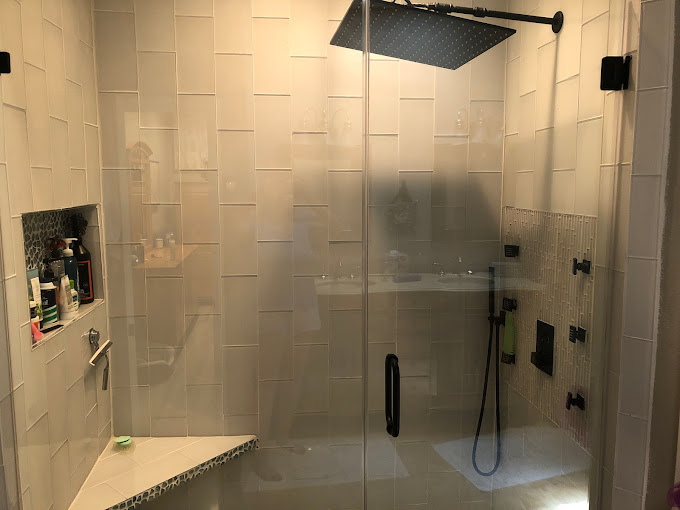
Quick Answer
If your glass shower doors are properly installed and maintained, they should feel stable and operate smoothly. Start by checking the door’s hardware, rollers, hinges, and seals for looseness or binding, then inspect the glass for chips, cracks, or cloudy spots that could indicate damage. In daily use, avoid slamming and keep the track clean so the door doesn’t shift out of alignment. If you notice glass damage, persistent wobble, or hardware that won’t tighten correctly, schedule a professional inspection for shower door replacement or shower glass replacement.
What to Check First
Begin with the parts that connect glass to the rest of the shower system. Walk the door through its full travel slowly and listen for grinding, sticking, or uneven movement. Then check for visible gaps where water escapes, loosened handle/knob hardware, and worn rollers or guides. These are the areas most likely to cause the door to pull, tilt, or misalign, which can increase stress on the glass over time.
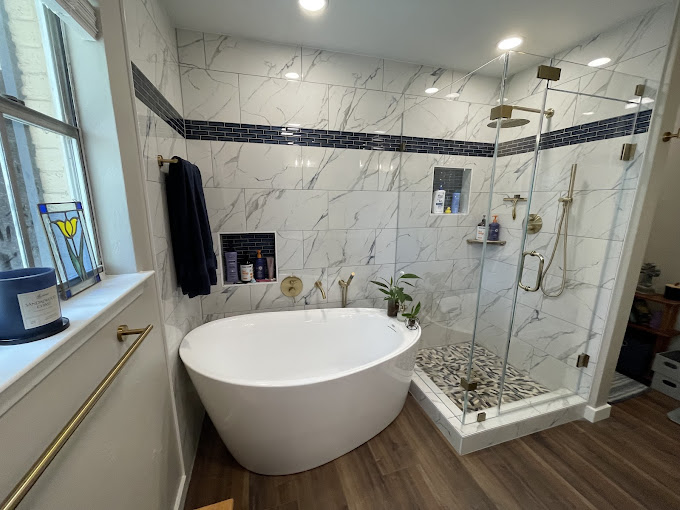
Professional observation: If the door moves harder than usual, it is often a sign that the hardware is out of alignment or the track is dirty. For glass shower doors, that kind of resistance can lead to repeated pressure points that are easy to ignore until there is a chip or the door starts to “walk.”
Main Things Customers Should Understand
Glass safety is not just about the glass itself. In Austin bathrooms, shower enclosures and shower doors often handle steam, temperature swings, and frequent cleaning, all of which can affect seals, caulk, and metal hardware. When a frameless shower door or semi frameless shower door is properly supported and installed, it should feel steady and predictable. When it is not, even a small misalignment can show up as wobble, leaks, or a door that doesn’t close squarely.
1) Hardware condition
Check rollers, hinges, pivots, handles, and towel-bar attachments for looseness. If the hardware is binding or rattling, the glass may be taking force it was not meant to absorb.
2) Track and guide cleanliness
Sliding shower doors and corner shower enclosures rely on clean tracks and guides. Soap residue and mineral buildup can cause uneven movement and increase the chance of accidental impacts.
3) Glass integrity
Look for chips at edges, hairline cracks, or missing finish where decorative glass panels meet hardware. Any glass damage is a reason to stop using the door until it is assessed.
Representative scenario (what homeowners often experience)
Picture a busy household in Austin where the shower door is used multiple times each day. Over a few months, the sliding door starts to stick near the end of the travel, and the homeowner keeps forcing it closed. Soon after, a small chip appears where the glass meets a metal edge, and the seal no longer forms a tight line. At that point, the safest next step is to pause daily use and arrange for shower glass installation or shower glass replacement, because the door’s alignment and support likely need correction.
Why this matters in Austin, TX
In Austin, bathrooms often see high humidity and frequent showers, and that moisture can accelerate wear on door seals and caulk lines. When seals degrade, water can reach areas behind the shower enclosure where hardware is mounted, making it easier for components to loosen or corrode. If your home has older tile work or a slightly uneven shower floor, the impact of hardware wear can show up sooner. That is why glass shower doors near me searches often lead homeowners to focus on alignment, stable mounting, and a clean, properly functioning track or pivot system.
| What you notice | Likely safety impact | What to do next |
|---|---|---|
| Door binds or doesn’t glide smoothly | Increased force on hinges/rollers and uneven pressure on the glass | Inspect rollers/guides and have alignment checked before continuing to force it |
| Loose handle/knob or wobble when touching the door | Unexpected movement can lead to accidental impacts or mis-seating | Schedule an inspection for hardware tightening and support verification |
| Chip or crack, even small | Reduced glass integrity and higher risk of edge damage spreading | Stop using the door and request assessment for shower door replacement or shower glass replacement |
| Persistent leaks at the edges | Water exposure can affect mounting points and seals, increasing looseness risk | Check seals and enclosure fit; consider professional resealing or replacement components |
Need help evaluating your frameless or sliding shower doors?
If your glass shower door is sticking, leaking, or showing hardware wear, the safest move is to get a clear assessment of alignment and support. Shower Doors of Austin serves Austin, TX & surrounding areas.
(512) 831-3651Common Mistakes to Avoid
Most injury risk comes from preventable behavior and delayed response to early warning signs. Slamming a door, forcing a stuck sliding panel, or ignoring a small chip can turn a minor issue into a larger one. Another common mistake is using cleaners that leave residue on tracks or create slick surfaces around the shower enclosure, which can increase slips when the door is operated. Finally, trying to “fix” wobble by repeatedly tightening visible screws without checking alignment can shift the door’s seating in a way that puts stress on the glass.
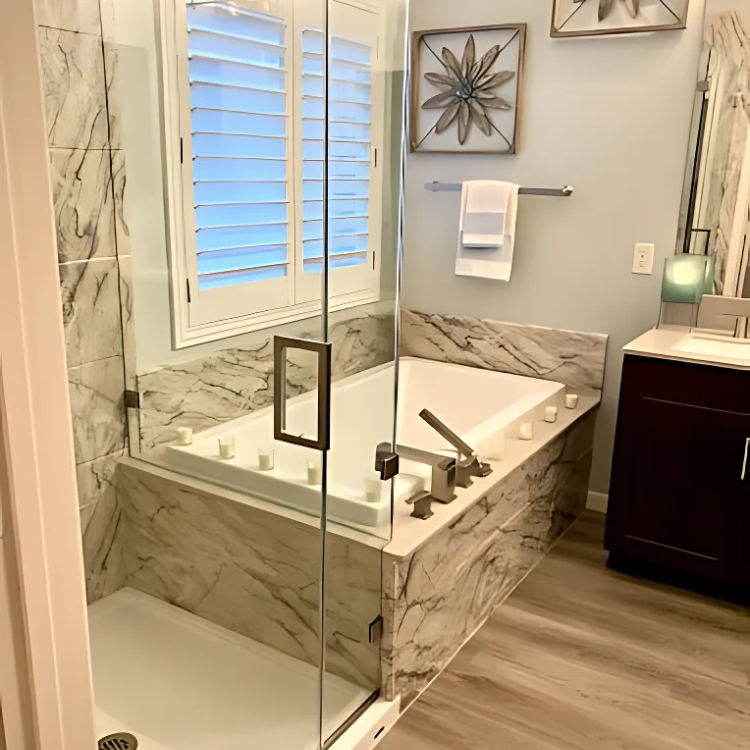
- Don’t slam hinged shower doors or push pivot shower doors harder than they move naturally.
- Don’t keep using a door with binding or grinding sounds, especially on sliding shower doors.
- Don’t ignore glass chips, cracks, or sharp edge feel, even if the door still closes.
- Don’t let mineral buildup accumulate in tracks and guides, which can cause uneven movement.
- Don’t use harsh or residue-heavy cleaners that can interfere with seals or hardware surfaces.
Customer Checklist
Use this quick safety checklist during routine bathroom maintenance. It is designed to help you catch issues early, reduce day-to-day risk, and decide when it’s time to schedule shower door installation, shower door replacement, or shower glass replacement. If you find any glass damage, treat it as a stop-using-now situation until it is assessed.
- Operate gently: Open and close the door slowly. It should move smoothly without sticking.
- Inspect edges: Feel around the glass edges carefully for chips. Do not continue if anything feels sharp.
- Check hardware: Look for loose handles, hinges, rollers, or pivot points.
- Verify alignment: Confirm the door closes evenly and doesn’t sit crooked in the frame.
- Watch for leaks: If water escapes at the bottom or sides, seals and fit may need attention.
- Keep the track clean: For sliding shower doors, remove buildup that can cause uneven movement.
Frequently Asked Questions
How can I tell if my shower door glass needs replacement?
Look for chips, cracks, or a sharp edge sensation along the glass perimeter. If you see cloudy spots that seem to have formed around a specific area, or if the door is no longer sitting squarely, those are strong signals that the glass or its support may be compromised. Also pay attention to changes in how the door moves. If it binds, wobbles, or leaks persistently after normal cleaning, that often means the enclosure fit or hardware alignment needs professional assessment. In those situations, a qualified installer can evaluate whether shower door replacement or shower glass replacement is the safest path.
Are frameless shower doors safer than framed options?
Safety depends more on installation, support, and condition than on whether the shower doors are frameless or framed. A properly installed frameless shower door should operate smoothly, close evenly, and feel stable when used normally. The key is that the glass must be correctly supported and the hardware must be properly aligned. If you are considering custom shower glass, ask about how the glass panels and installation approach support everyday use. For existing doors, focus on the same risk signals: binding movement, loose hardware, leaks, and any glass damage.
What should I do if a sliding shower door starts sticking?
Stop forcing it. Sticking can come from mineral buildup in the track, worn rollers, or misalignment. Start with gentle cleaning of accessible track areas and remove residue that can affect movement. If the door still binds, check for loose or damaged rollers and guides. If you notice the door closing crooked or the gap at the edges changing, it’s a good time to schedule an inspection. In many cases, a professional can correct alignment and verify the enclosure is operating as intended, which reduces the chance of stress on the glass.
Can cleaning products affect shower door safety?
Yes. Some cleaners leave residue that can make surfaces slick or interfere with how seals and hardware components perform. Also, cleaners that are harsh on finishes can accelerate wear on metal hardware and door components. For safety, use appropriate cleaning methods and avoid anything that leaves a film on tracks or contact points. If you notice that the door movement changed after cleaning, stop and let the area be properly cleaned and evaluated. When in doubt, a professional can recommend safe maintenance practices for glass shower doors and shower enclosures.
Do corner shower enclosures require extra attention?
Corner shower enclosures can require extra attention because multiple edges and panels meet at angles, and that makes alignment issues more noticeable during operation. If water leaks at a corner seam or the door does not close evenly, it can indicate a fit or hardware support problem that affects both comfort and safety. Routine checks for smooth movement and stable closing are especially valuable in corner setups. If you are planning custom shower glass for a specific layout, professional measurement and installation help ensure the glass panels and custom glass panels are supported correctly from day one.
Ready to make your Austin shower doors feel secure again?
Whether you need frameless shower doors, sliding shower doors, or shower enclosure support, Shower Doors of Austin can help you identify what’s causing sticking, wobble, leaks, or glass damage. Call for guidance on next steps for shower door installation or shower glass replacement.
(512) 831-3651
Shower Doors of Austin focuses on custom shower glass and glass shower doors for homes across Austin, TX and surrounding areas.
If you are considering custom shower glass, upgrading to frameless shower doors, or evaluating options like sliding shower doors, the goal is the same: a shower enclosure that operates smoothly and feels steady during everyday use.
Serving: Austin, TX & surrounding areas.
Related topics: Explore shower enclosures and door glass for more guidance on how these systems work together.