
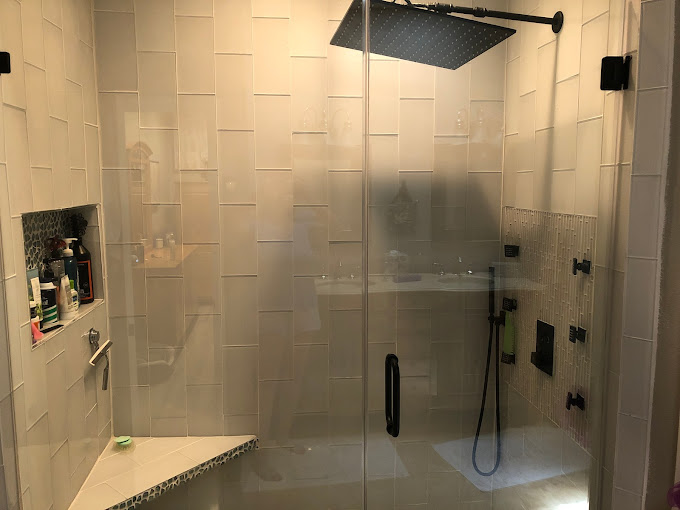
Prevent Mold with Proper Glass Shower Door Seals
If you have black spots returning around your shower door, the problem is often not just “dirty grout.” In Austin, where humidity can linger, small gaps between the glass shower door and its seals let water escape, wet the surrounding surfaces, and feed mold. This guide explains what to check, why seals matter, and how to decide between seal replacement and a full shower door replacement.
You wipe down the glass after every shower, but you still notice a dark ring creeping along the edges of your shower enclosure. Sometimes it shows up behind the door, sometimes along the bottom track, and sometimes on the wall just outside the glass. After a few weeks, the spots come back, even though you are doing your part.
Shower door seals are designed to keep water where it belongs. When those seals are worn, misaligned, or not sealing evenly, water can escape and stay on nearby tile, grout, and caulk longer than you think. This guide will help you understand how seals work, what “good” vs “not good” looks like on common shower doors, and how to take the next step with confidence in Austin, TX.
- Quick answer
- What to check first
- Main things customers should understand
- Why this matters in Austin, TX
- Common mistakes to avoid
- Customer checklist
- Frequently asked questions
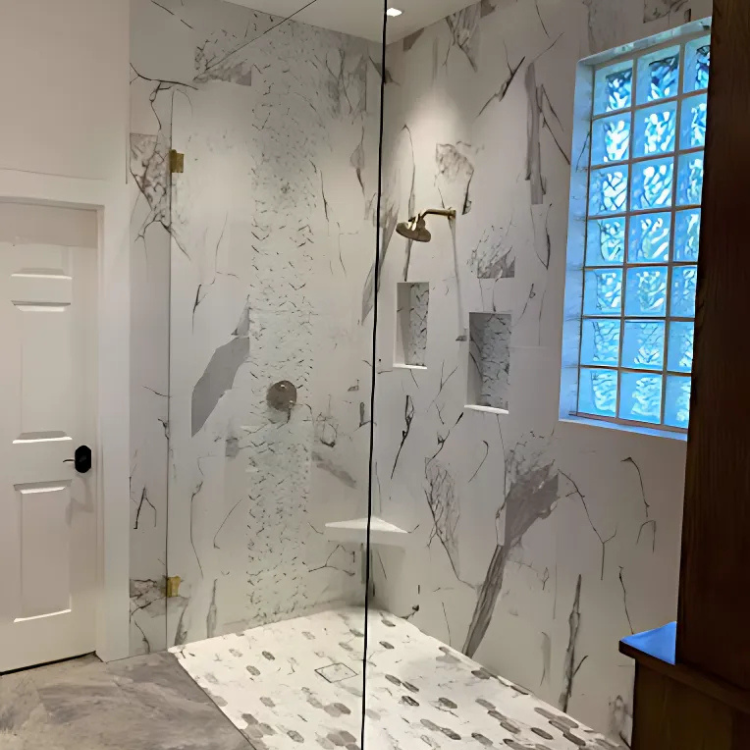
Quick Answer
If mold is returning around your shower door, check the seals first: bottom sweep, side seals, and any magnet or compression components for proper contact with the glass. In most cases, the goal is simple: stop water from escaping the shower enclosure during use. Start by cleaning the seal area, then look for gaps, flattened rubber, or sections that do not touch when the door closes. If the seals are worn or the door no longer lines up, plan for a shower glass replacement or shower door replacement that restores a tight fit.
What to Check First
Begin with the areas that see the most motion and water pressure. For most setups, that is the bottom edge of the moving panel and the corners where the glass meets the stationary wall or frame. Even a small gap can turn into a persistent wet zone after each shower, especially if the bathroom ventilation is limited.
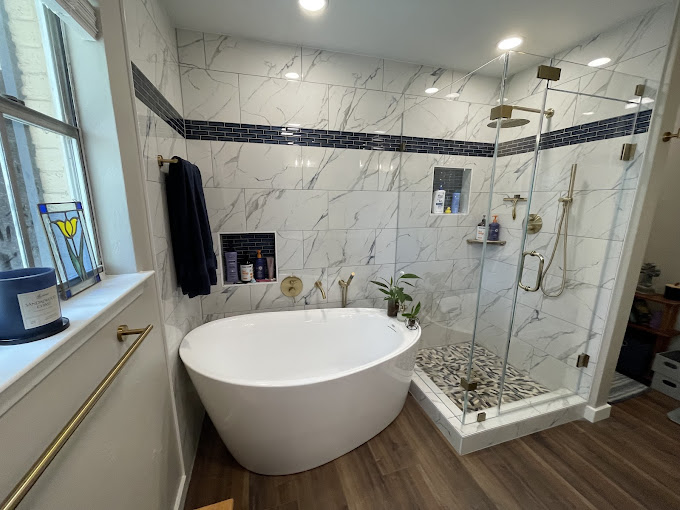
Professional observation: Seals do not fail all at once. They usually degrade gradually, then a door that feels “close enough” starts leaving water behind during the days you are not paying attention to it.
1) Bottom sweep and bottom track contact
Run your hand along the bottom sweep when the door is closed. It should feel like it is contacting the glass consistently, not only at one spot. If the sweep is brittle, missing pieces, or appears permanently flattened, it will not keep water contained.
2) Side seals and corner transitions
Look along the side where the door meets the frame or wall. Corner areas tend to collect water first because they are where alignment errors show up. If you see gaps that open and close with each shower door movement, the seals may be out of position or no longer the correct size for your shower door glass.
3) Door alignment (especially on sliding and hinged setups)
If you have sliding shower doors, check whether the rollers or guides keep the panel centered when closed. For hinged shower doors and pivot shower doors, confirm the panel settles fully into the closure point. Misalignment can cause seals to “miss” the glass and leak during normal use.
4) Caulk and grout at the perimeter
Seals help reduce how much water reaches the surrounding surfaces, but they do not replace good waterproofing. If you notice cracked caulk lines or softened grout near the door, treat that as a separate issue. The best results typically come from sealing leaks at the source and then addressing the affected surfaces.
Seal replacement
Often the right choice when the frame and glass are intact, but the rubber is worn, loose, or not compressing properly.
Shower door replacement
Helpful when the door no longer closes squarely, the hardware is out of adjustment, or sealing performance can’t be restored.
Glass shower door seal upgrades
Useful when you want a tighter, more consistent seal fit for your specific enclosure design and usage patterns.
Main Things Customers Should Understand
To stop mold, you need to reduce repeated moisture exposure. That comes from the fit between the moving glass panel and the rest of your shower enclosures. Seals are the “last line of defense,” so when they are sized wrong, installed incorrectly, or simply worn down, you get water escape that cleaning alone cannot fix.
How seals help: They create contact that limits water paths. When the door closes, the seal compresses slightly against the glass or frame, reducing the chance that water will travel out along the bottom sweep or side edges.
What to expect with different door styles
The seal strategy changes with the design. For example, semi frameless shower doors may rely on frame contact points that guide compression, while frameless glass shower doors often use precision-fit components and careful alignment to maintain a consistent seal.
Why “mold spots” can be a symptom, not the root cause
Mold typically appears where water stays long enough for growth. If your shower door seals are leaking, the wet zone repeats every day. That means the area never truly dries between showers, even if you are wiping the glass. The goal is to stop the moisture from reaching the surrounding caulk and grout in the first place.
When glass replacement is part of the solution
Sometimes the seal problem is actually a glass fit issue. If the glass panel is replaced without restoring the correct seal contact points, the enclosure may never seal tightly. In other cases, a damaged panel or hardware change can prevent the door from closing fully. That is when shower glass installation or shower glass replacement becomes the practical path.
Decision table: Seal issue vs. bigger enclosure problem
| What you notice | Likely cause | Practical next step |
|---|---|---|
| Water appears mostly at the bottom edge after every shower | Bottom sweep wear, poor compression, or a misfit at the track | Inspect and replace the bottom seal/sweep if the frame and hardware still align |
| Water escapes at the corners, especially where side panels meet walls | Side seal gaps, corner alignment issues, or seal size mismatch | Adjust hardware and verify seal contact; replace seals if they no longer compress evenly |
| The door does not feel like it “settles” fully when closed | Hardware drift, roller/hinge alignment, or closure geometry changes | Consider shower door replacement if alignment cannot be restored to restore seal performance |
| Mold keeps returning even after you clean and re-caulk | Ongoing water escape from the glass enclosure | Fix the sealing path first, then address the affected caulk or grout surfaces |
Get a seal-and-alignment check for your Austin shower door
If you are dealing with recurring moisture around your shower enclosure, a quick inspection can help determine whether seal replacement is enough or if your glass shower doors need a tighter fit.
Contact Shower Doors of AustinWhy This Matters in Austin, TX
In Austin, bathrooms can stay humid after a shower, and that moisture can linger longer when ventilation is limited or when surfaces do not dry quickly. If your shower door seals are not doing their job, water can escape and remain on nearby tile and grout lines. Over time, that creates the conditions mold needs to return, even if your routine cleaning looks thorough.
Local homeowner reality: mixed humidity and real-world bathroom airflow
Many Austin homes include older tile work, different caulk types, and bathroom layouts where airflow is not ideal. When the shower enclosure is slightly out of alignment, the problem becomes repeatable. The fix is not just stronger cleaners, it is restoring consistent seal contact so the enclosure stays drier between showers.
Firsthand-style observation: where I see leaks most often
From what we commonly encounter with custom shower glass and shower door installation projects, leaks often start at the “invisible” points: the bottom corners and the transition where the moving glass panel meets the stationary side. Customers usually clean the visible glass first, but the moisture path often runs along the seal and then onto grout lines just outside the enclosure. Once that pattern starts, it can feel like the mold is impossible to eliminate.
For Austin homeowners considering changes, it helps to think beyond the label of “glass” and focus on the system: door style, seal design, hardware alignment, and how the enclosure interfaces with the surrounding surfaces.
Common Mistakes to Avoid
Most people address the visible mold and then wonder why it returns. The problem is that mold prevention is usually about stopping the water source and ensuring the enclosure dries properly. Avoid these common missteps, which tend to leave the leak path open.
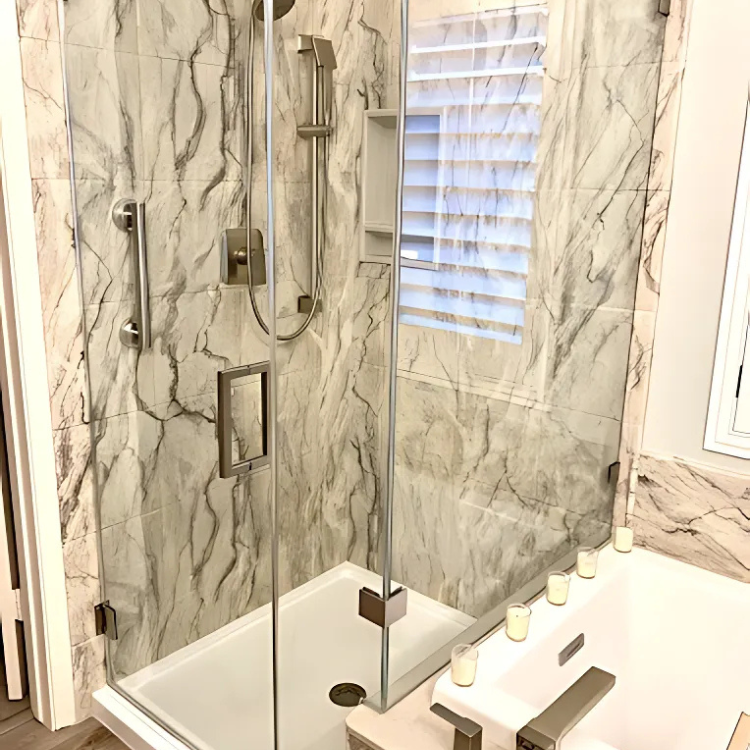
- Scrubbing mold without fixing the leak path can remove growth temporarily, but it does not stop new moisture from reaching the same spot.
- Assuming the seal is fine because the door closes. A door can close while the seal still has gaps that leak during use.
- Replacing caulk before resolving ongoing water escape. If the seal leaks, the new caulk line can fail again.
- Using a one-size-fits-all seal when the enclosure design requires a specific fit. Seal sizing and compression matter.
- Ignoring hardware drift. Rollers, hinges, and guides can shift over time, changing how the seal contacts the glass.
Customer Checklist
This is a practical, homeowner-friendly checklist you can use before you decide whether you need seal replacement, a new shower enclosure, or a shower door replacement. Use it to document what you see so the right solution is faster to identify.
- After a shower, check the floor and grout lines immediately outside the glass for repeat wet spots.
- Inspect the bottom sweep and bottom track for missing sections, brittleness, or permanent flattening.
- Look for side gaps along the moving panel when the door is fully closed.
- Confirm the door “settles” into its closure point. If it does not, note what feels off.
- Check corner areas for recurring moisture, especially where the glass meets stationary walls.
- Verify whether your current setup is sliding shower doors, hinged shower doors, or another style, since sealing behavior differs.
- Plan to address seal issues before re-caulking or re-grouting the perimeter.
Representative scenario: recurring mold near the bottom corners
A homeowner in Austin noticed mold returning along the outside edge of the shower door, right where the bottom sweep meets the glass. They cleaned the area weekly and even reapplied caulk after the first time the spots appeared. The mold still returned, usually within a couple of weeks. When the door was examined closely, the bottom sweep was still attached but not compressing evenly. The seal only contacted in one section, leaving a small gap at the corners where water escaped during each shower.
Once the seal contact points were restored, the wet zone outside the enclosure reduced significantly, and the perimeter surfaces had a chance to dry properly between showers. The homeowner stopped seeing the rapid return pattern that cleaning alone could not solve.
Frequently Asked Questions
What are shower door seals, and how do they prevent mold?
Shower door seals are the rubber or compression components that contact the glass or frame when the door is closed. Their job is to reduce water escape paths along the bottom edge and sides of the shower enclosure. When seals wear out, flatten, or lose alignment, small gaps form and water can travel onto nearby tile, grout, and caulk. That repeated moisture exposure is what gives mold a consistent environment to return, even if you clean the glass regularly.
Should I replace caulk if I see mold around my shower door?
Caulk and grout repairs can be part of the solution, but they usually come after you address the source of moisture. If your glass shower doors seals are leaking, new caulk can fail again because water continues to reach the perimeter. A practical approach is to inspect the seal contact first, fix any sealing and alignment issues, then evaluate whether the caulk line needs to be reworked.
How can I tell if my seals are worn or misaligned?
Look for repeat wet spots outside the enclosure after showers, especially at the bottom corners and along the side edges. Then inspect the seal itself for brittleness, missing sections, or areas that look permanently flattened. Finally, close the door and check whether the seal makes consistent contact with the glass. If the door closes but leaves visible gaps or the seal is only touching in one area, alignment or seal fit is likely the problem.
Is seal replacement enough, or do I need shower door replacement?
Seal replacement is often enough when the frame and hardware still align well and the issue is mainly worn rubber or incorrect compression. If the door no longer “settles” fully, hardware has drifted beyond what can be adjusted, or the enclosure design cannot maintain seal contact, shower door replacement may be the practical next step. The right choice depends on where the leak path is located and whether the door can close to restore consistent seal contact.
Do frameless shower doors seal differently than semi frameless options?
They can. While both types rely on sealing components, the way the glass interfaces with the enclosure system differs. Frameless glass shower doors often depend on precision-fit contact points and careful alignment to maintain a consistent seal. Semi frameless shower doors may use frame-guided closure and contact areas. Either way, the key factor for mold prevention is reliable seal contact during normal use.
Ready to stop recurring moisture around your shower door?
Shower Doors of Austin can help you evaluate whether the fix is seal replacement, a tighter seal fit, or a full update to your shower doors. If you are searching for “shower doors near me” in Austin, TX, reach out and we will guide you to the most practical path.
Contact Shower Doors of Austin
About Shower Doors of Austin
Shower Doors of Austin provides shower door solutions for homeowners and property managers in Austin, TX and surrounding areas. From custom shower glass to frameless shower doors, sliding shower doors, and shower enclosures, we focus on fit, alignment, and enclosure performance so your bathroom stays cleaner and drier.
Explore related options: frameless shower doors, sliding shower doors, shower enclosures, and custom shower glass.