
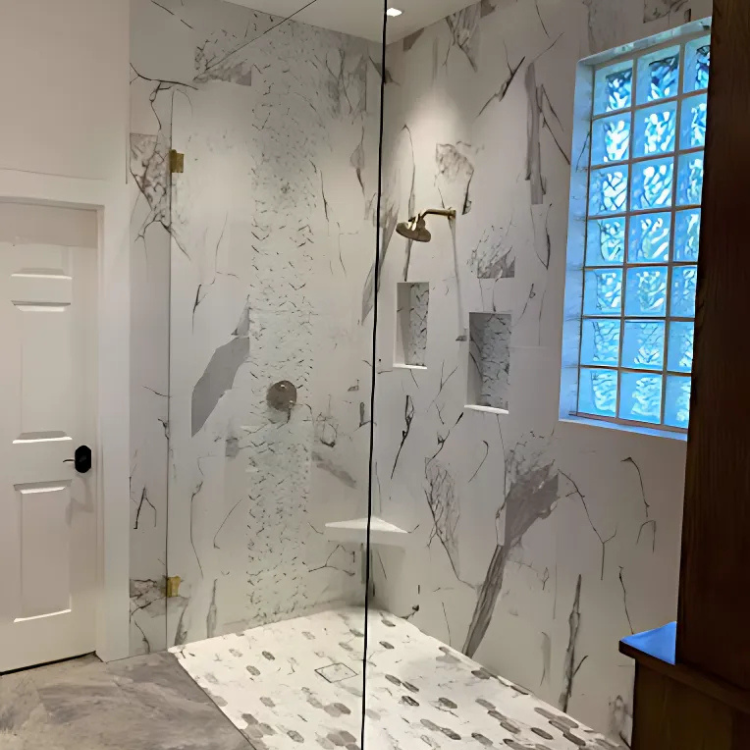
If your sliding shower doors in Austin are getting harder to move, it is usually not “just dirty tracks.” This guide helps you understand the most common causes of sticky movement, what you can check safely, and when it is worth scheduling Shower Doors of Austin for shower door replacement or shower glass replacement.
One morning in Austin, you slide your shower door to rinse off, and it does not glide like it used to. It slows down halfway, then catches again near the end of the track. By the time you finish, you are standing there trying to nudge the glass instead of enjoying your shower.
Sticky movement is annoying, but it can also signal alignment issues, worn rollers, or track buildup that keeps coming back. Below, you will learn what to check first, what “normal cleaning” does and does not fix, and how to decide between repair and a more complete shower enclosures solution.
- Quick answer
- What to check first
- Main things customers should understand
- Why this matters in Austin, TX
- Common mistakes to avoid
- Customer checklist
- Frequently asked questions
Quick Answer
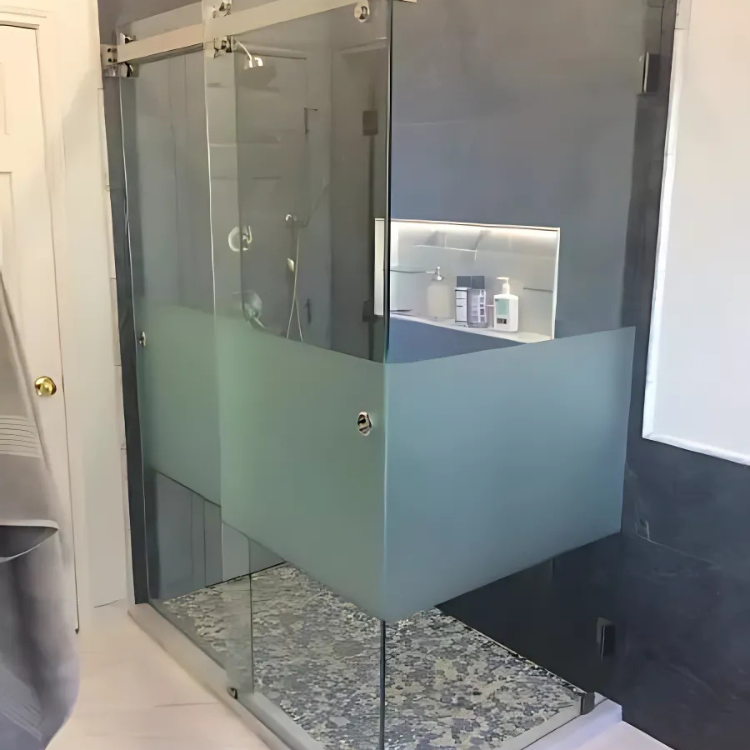
If your glass shower doors stick, start by checking the track area for soap scum, mineral deposits, and debris, then inspect rollers or wheels for uneven wear and smooth rotation. If the door still catches after a thorough clean, the issue is often misalignment, worn hardware, or a track surface that needs adjustment. In Austin, TX, recurring buildup is common, so the practical move is to schedule a repair when cleaning does not restore smooth travel. That helps prevent stress on the glass and keeps your sliding shower doors operating safely.
What to Check First
Before you assume you need replacement glass, do a careful, low-risk check. You want to identify whether the problem is “movement resistance” from buildup, or “movement mechanics” from hardware and alignment. Start with the track, then move to the rollers and the door’s travel path.
1) Clean the track thoroughly
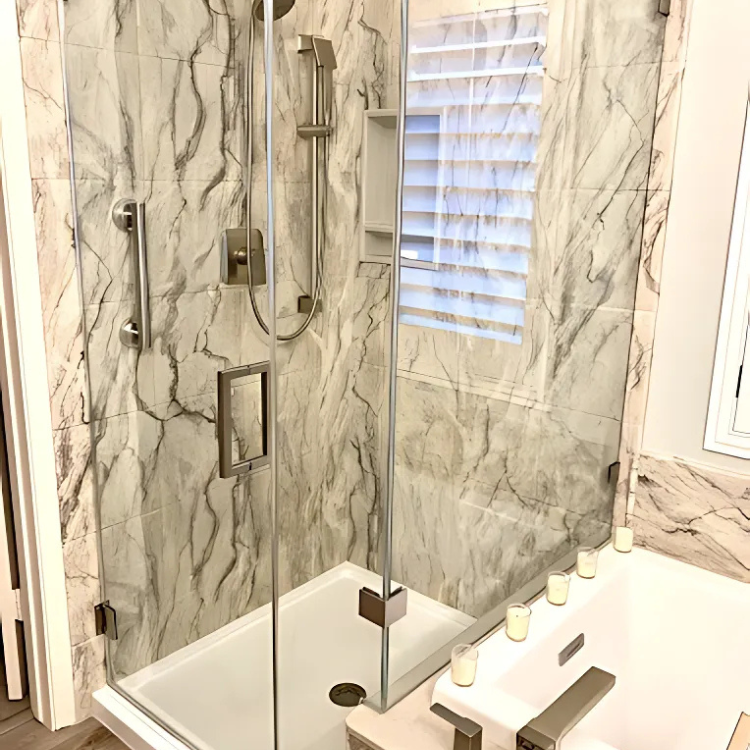
Look for visible residue along the bottom guide. Even when you wipe the glass, buildup can hide where the rollers run. Remove loose debris, then clean the track so water can run without leaving a slick film.
2) Check roller/wheel condition
When doors drag, rollers may be stiff or uneven. If you see corrosion or a roller that does not spin freely, it can create consistent sticking at the same point in the opening.
3) Watch the door’s path
With the door closed, gently slide it a short distance. Note where it catches. A repeat location usually points to alignment, a bent component, or track surface issues rather than random dirt.
Main Things Customers Should Understand
Sticky tracks usually come from two categories: contamination in the track and changes in the hardware or alignment that controls how the glass moves. In real homes and rentals across Austin, TX, many customers clean the glass and the handle, but the underside guide and roller contact points are where the real problem lives.
Professional observation: When sliding panels stick, the door is often trying to “climb” a buildup ridge or compensate for roller wear. That is why the catch point repeats and why the door may sound different on certain openings.
Track buildup can build faster than you expect
Soap film and minerals can form a rough layer in the bottom guide. Even if the track looks “mostly clean,” a thin ridge can create friction. The result is a door that moves a little, then slows, then catches, especially when you shower daily or have hard water.
Hardware wear changes how the door rides
Rollers and wheels can wear unevenly over time. Once that happens, the door may feel fine in one direction but catch when you slide it back. If the rollers are also contaminated, cleaning the glass alone will not solve the core issue.
Misalignment can be subtle, but it shows up quickly
Small shifts in the frame or door hardware can change how the glass tracks. You might notice that the gap looks different at one end, or the door closes with extra pressure. Misalignment often requires adjustment, not just cleaning.
When repair becomes a glass solution
Sometimes the “track problem” reveals a deeper need, such as replacing worn components or moving to a different configuration. If your setup is outdated or the glass is part of the issue, a technician may recommend shower glass installation or shower door replacement as the most practical path. You can also explore sliding shower doors options if you are thinking about a smoother-running update.
Why This Matters in Austin, TX
Austin, TX homeowners often deal with frequent shower use and recurring mineral deposits that show up quickly on glass and metal. Over time, that buildup can make sliding travel feel gritty or inconsistent, especially on older shower enclosures where the track surfaces have already been exposed to cycles of moisture and cleaning products.
Another local reality: many bathrooms in Austin are used hard, whether in family homes or rental properties. When the door catches, people tend to force it gently, which can add stress to tempered glass panels and hardware. Addressing the cause early helps keep the system moving smoothly instead of turning a minor issue into a larger repair or glass wall panels adjustment.
| What you notice | Most likely cause | Typical next step |
|---|---|---|
| Door catches at one consistent point | Alignment shift or uneven roller contact | Adjustment and hardware inspection |
| Door feels gritty even after wiping glass | Track residue and mineral buildup | Deep clean the track and confirm smooth travel |
| Rollers sound rough or do not spin freely | Worn rollers or wheels | Roller replacement and door tune-up |
| Door movement is inconsistent in both directions | Multiple issues or deteriorated components | Repair plan that may include shower door replacement |
Need to get your sliding shower doors moving smoothly again?
If cleaning the track does not restore smooth travel, a focused repair can address alignment and hardware issues before they affect the glass. Contact Shower Doors of Austin for help with shower door installation and shower door replacement planning.
Contact Shower Doors of AustinCommon Mistakes to Avoid
Most sticky-track problems get worse when homeowners try the wrong fix. These are the mistakes we see most often around Austin, TX, where hard water residue and daily use can make the door feel “stuck” again quickly.
Common mistakes: Forcing a stuck door, using harsh abrasives on the track surface, and ignoring repeated catch points. Each one can increase friction, misalign the system, or leave residue that keeps returning.
- Forcing the glass instead of stopping: If you push harder each time it catches, the rollers and guides can shift further out of alignment.
- Cleaning only the visible glass: Track buildup hides where the rollers contact. Wiping the door does not remove residue inside the guide.
- Scraping with metal tools: Scratches in the track can create new friction ridges that make sticking worse over time.
- Assuming it is “normal” wear: Wear is normal, but sticking is still a sign the system needs attention. A tune-up can often restore smooth travel.
- Skipping a hardware check: If rollers are stiff or uneven, cleaning alone will not fix the underlying movement problem.
Customer Checklist
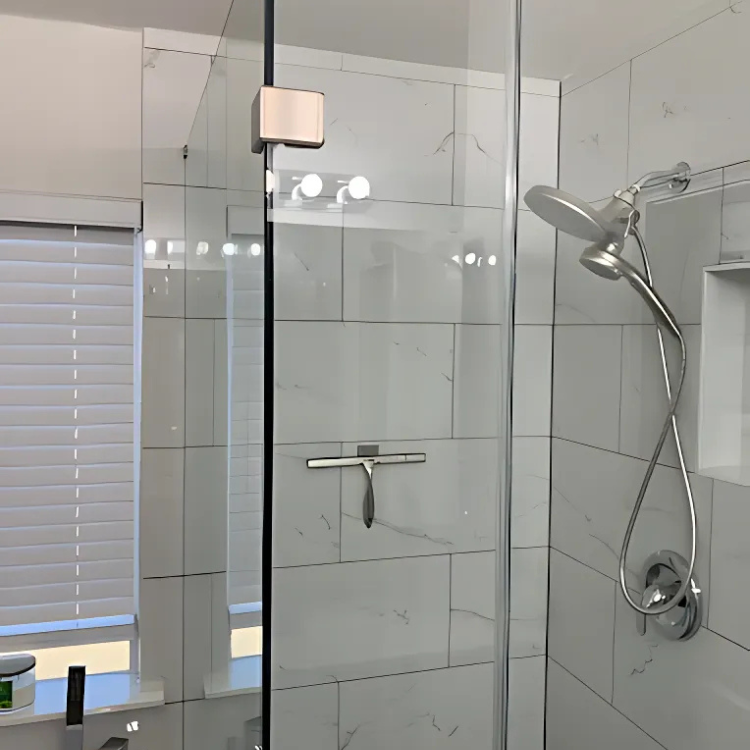
Use this quick checklist before you call for service. It helps you describe the issue clearly and saves time when a technician inspects your shower door glass and track system.
- I can describe where the door catches (near the center, near one end, or at a repeat point).
- I have checked the track for debris and visible residue along the guide.
- I have observed whether the door feels worse in one direction than the other.
- I have noticed any roller noise, uneven movement, or stiffness during travel.
- I have avoided forcing the door and I have not used abrasive tools on the track.
- I can share whether this started suddenly or gradually over time.
Representative Scenario: Austin homeowner with a repeat catch point
A homeowner in Austin, TX notices their shower door catches at the same spot every morning. The glass looks clean, but the track area has a dull, chalky film. After a more thorough track cleaning, the door moves smoother for a short time, then starts catching again at the same location. A technician checks the rollers and finds one running less freely than the others. Once the hardware is addressed and the door ride is tuned, the movement becomes consistent in both directions, reducing the need to force the panel.
Frequently Asked Questions
Can sticky shower door tracks be fixed without replacing the glass?
Often, yes. Sticky sliding usually comes from track buildup, contaminated rollers, worn wheels, or minor alignment issues. A thorough track cleaning and a hardware inspection can restore smooth travel. If the rollers are damaged or the door ride is misaligned beyond simple adjustment, the repair plan may include replacing components. Glass replacement is typically considered when the issue is tied to the door panel itself or when the overall enclosure needs an updated configuration.
What should I clean first when my sliding shower doors stick?
Start with the track and bottom guide where the rollers run. Visible soap scum and mineral residue can create friction even if the glass looks clean. After removing debris, clean the track thoroughly so residue does not rebuild on the contact surface. Then test the door’s travel gently without forcing it. If it still catches in the same spot, the next step is a roller and alignment inspection, since buildup is only one of the common causes.
Why does my door catch at the same point every time?
A repeat catch point often indicates an alignment or hardware contact issue. For example, a roller that is worn unevenly may create extra resistance when it reaches a certain position. Similarly, a small shift in the frame or door hardware can change the ride path so the glass meets more friction at one end or near the center. If the catch location does not move after cleaning, that pattern is a strong clue that inspection and adjustment are needed.
Is it okay to use stronger cleaners on the track?
Be cautious with harsh chemicals and abrasive tools. Even if the goal is to remove mineral buildup, some cleaners can damage finishes or leave residue behind. Also avoid scraping with metal tools, which can scratch the track surface and create new friction points. If you are not sure what is safe for your specific track and hardware, it is better to have the area inspected and cleaned correctly as part of a repair visit.
Do I have to upgrade to frameless glass shower doors to solve this?
No. Sticky movement is usually about track and hardware performance, not just whether a shower enclosure is frameless. However, if you are considering a renovation, upgrading can be part of the solution. For example, you may explore frameless shower doors or other configurations depending on your layout and goals. The right choice depends on what is causing the sticking and how your enclosure is built.
Get a repair plan for your shower doors in Austin
If your sliding shower doors stick after cleaning, a professional inspection can pinpoint whether the fix is track-related, roller-related, or alignment-related. Shower Doors of Austin can help with shower glass replacement, shower door installation, and shower door replacement decisions that fit your enclosure.
Contact Shower Doors of Austin
Shower Doors of Austin helps Austin, TX homeowners and property managers keep shower enclosures working the way they should. From sliding setups to custom glass panels and door glass solutions, the focus is on practical fixes that restore smooth movement and clean, reliable performance. If you are comparing options, you can also review shower enclosures and related custom glass work we support.
Serving Austin, TX & surrounding areas, Shower Doors of Austin is a good fit when you want clear guidance on shower glass installation, shower door replacement, and related custom interior glass projects.
Helpful next reading: custom shower glass and door glass can be useful if you are planning a broader refresh of your bathroom glass enclosure.