
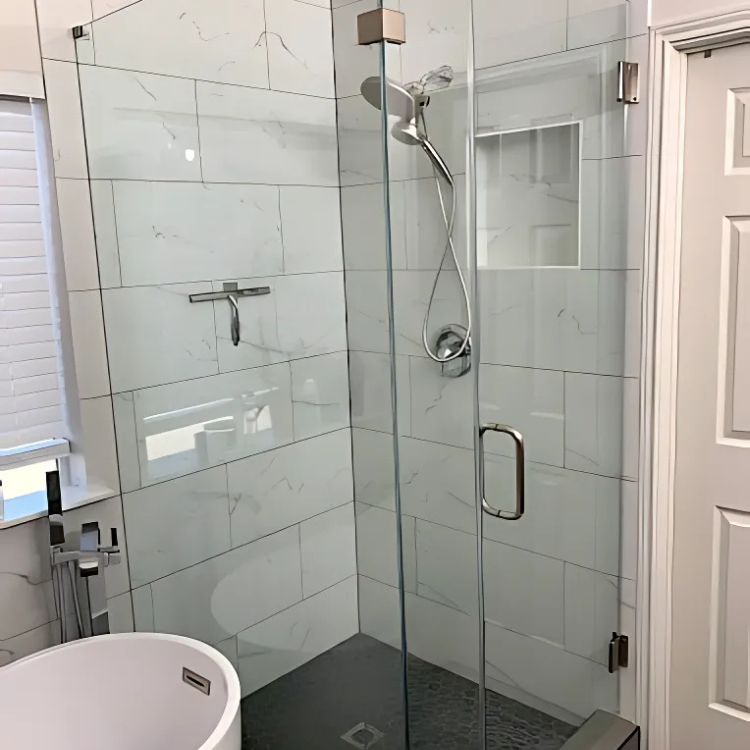
Cracked Caulk and Leaks: Need Shower Enclosure Repair
If you are seeing water at the edges of your shower enclosure in Austin, TX, the fix is not always “just re-caulk.” This guide walks you through what to inspect, why leaks happen, and when shower door glass replacement or reinstallation is the practical next step.
After a shower, you notice a damp patch outside the shower, or water has started pooling along the base. Sometimes it is subtle, like a darker tile line that never dries, and other times it is obvious, like water tracking onto the bathroom floor. A cracked bead of caulk is often the first thing you see, but the leak may be coming from the shower door system itself.
In Austin, TX, bathrooms also see frequent humidity swings and heavy daily use, which can expose small gaps faster than you expect. This guide helps you understand what is most likely failing, what is safe to do right away, and what to ask for when you need shower enclosure repair or shower door glass installation.
- Quick answer
- What to check first
- Main things customers should understand
- Why this matters in Austin, TX
- Common mistakes to avoid
- Customer checklist
- Frequently asked questions
Quick Answer
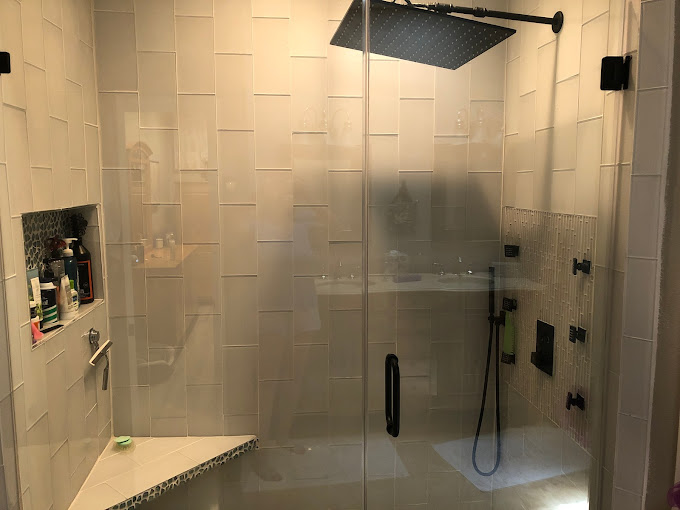
If caulk is cracked but the leak keeps returning, you likely have more than a cosmetic problem. Start by checking where water escapes: along the bottom track, at side seams, around wall joints, and where the glass meets metal or handles. If you see gaps, loose hardware, or water stains behind the caulk line, plan on professional shower door installation or shower glass replacement, not just a quick bead. A practical next step is to schedule an inspection so the team can identify the exact leak path and recommend the right repair for your shower enclosure layout.
What to Check First
Before you spend time re-caulking, take a close look at the leak path. Small differences in where the water appears can point to different fixes, especially with frameless glass shower doors, semi frameless systems, and sliding shower doors.
Bottom edge and track area
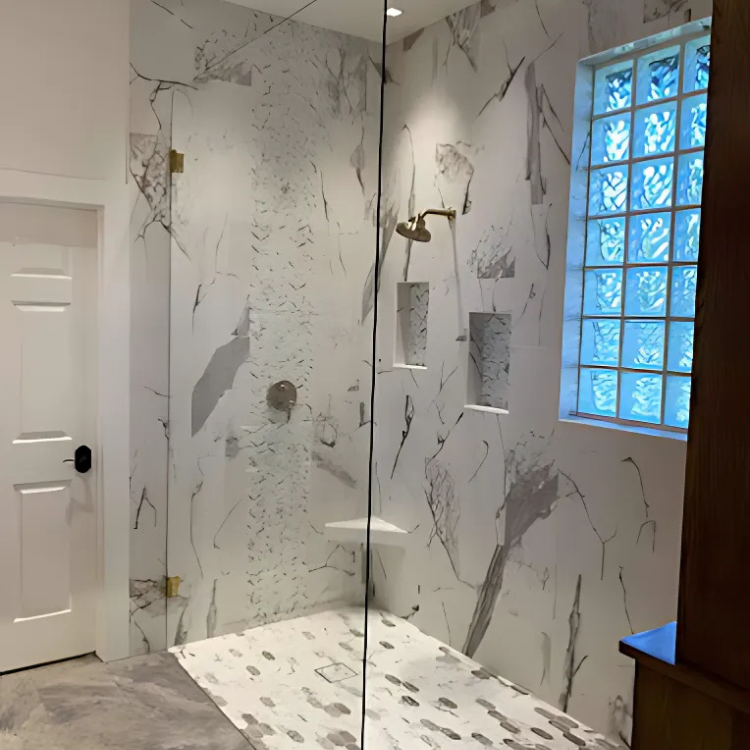
Look for water escaping at the threshold, along the base, or around any rollers or guides. If the water shows up right after the first few minutes of use, the seal at the bottom is often involved.
Side seams and wall joints
Check the caulk line where the glass panels meet the walls. Cracks, missing sections, or shrinkage can let water wick behind the enclosure and out to the bathroom floor.
Door alignment and contact points
If your door does not close consistently or you notice uneven contact, the gap may be structural. That can cause ongoing leaks even after you re-seal.
If you can, dry the area thoroughly and run the shower again, watching where the water shows up first. That “first sign” is usually the clue. If the earliest moisture appears behind the caulk line, the issue may be deeper than the visible cracks.
Main Things Customers Should Understand
Caulk cracks for several reasons: movement from repeated use, imperfect alignment at installation, and gaps that develop over time. In many shower enclosures, the caulk is part of a layered system that includes gasket seals, door alignment, and how the glass panels are mounted. Fixing only the surface crack can still leave a pathway for water.
Professional observation: When leaks show up repeatedly, the most effective repairs usually address the full seal system, not only the visible caulk.
Here are the most common drivers we see for shower enclosure repair calls in Austin, TX:
- Seal failure at multiple points: A cracked bead can be the symptom, while the actual leak starts at a gasket, hinge, or bottom guide.
- Hardware and alignment changes: Handles, hinges, rollers, and brackets can shift slightly, creating gaps that let water escape.
- Water wicking behind caulk: If water gets behind the sealant, it can travel along surfaces before reaching the floor.
- Glass panel installation needs: If the glass wall panels are not seated correctly, the enclosure may never stay watertight.
| Where you see water | What it often means | Practical next step |
|---|---|---|
| Along the base or threshold | Bottom seal or guide alignment issues | Inspect bottom track, rollers, and bottom contact points before re-caulking |
| At wall joints where caulk is cracked | Gaps between glass and wall surface | Have the enclosure checked for proper seating and seal continuity |
| At the door edges when closed | Door alignment or gasket contact problem | Adjust or reinstall the shower door components as needed |
| Water appears after only a short shower | Most likely an active leak path | Schedule a repair-focused inspection so the right fix is applied the first time |
Why this matters in Austin, TX
Bathrooms in Austin, TX often see consistent daily use, and the enclosure has to handle repeated cycles of heat and moisture. When the caulk bead cracks, water can slip into the joints and stay there longer than you think, especially if the shower area is not drying quickly. Over time, that can lead to persistent dampness around the enclosure and grout lines, which is why timely shower glass replacement or shower door repair can prevent the problem from expanding.
If you have a newer remodel with frameless glass shower doors or a semi frameless setup, the seal system is typically designed for tight tolerances. If the enclosure was installed with even slightly mismatched alignment, the leak can show up right where the door or glass panel meets the wall. In older homes, uneven surfaces can also contribute, which is why an inspection matters more than a “generic caulk fix.”
Need shower enclosure repair in Austin, TX?
If you are dealing with cracked caulk and recurring leaks, Shower Doors of Austin can help you identify the leak path and plan the right repair for your shower doors and shower enclosure.
Call (512) 831-3651Common Mistakes to Avoid
When homeowners re-caulk without confirming the leak source, the enclosure can stay vulnerable. The result is often the same leak returning after the sealant settles or after the next heavy shower routine.
- Re-caulking over an active leak: If water is still moving behind the seal, new caulk may fail sooner than expected.
- Ignoring door alignment: A gap that forms when the door closes can keep pushing water out even with fresh caulk.
- Using the wrong approach for the system type: Frameless shower doors, sliding shower doors, and hinged shower doors can require different repair steps.
- Not inspecting the bottom contact area: Many leaks start at the threshold, then show up elsewhere.
- Waiting until water damages nearby surfaces: Persistent dampness can spread beyond the bathroom floor, making the repair more complex.
Customer Checklist
Use this checklist to prepare for a repair visit and to better describe the issue. The clearer your observations, the easier it is to narrow down whether you need shower door installation, shower glass replacement, or targeted repairs for your shower enclosure.
- Take a moment to note when the leak appears (immediately, after a few minutes, or only after certain door positions).
- Identify the first location where water appears: base/threshold, side seams, wall joints, or door edges.
- Look for visible gaps, loose hardware, or areas where the caulk has pulled away.
- Check whether the door closes evenly and consistently (especially for hinged shower doors, pivot shower doors, and sliding shower doors).
- Dry the area and run the shower again to confirm the leak path.
- Be ready to mention your enclosure style: frameless shower doors, semi frameless, sliding shower doors, corner shower enclosures, or neo angle shower doors.
Representative Scenario
A homeowner in Austin, TX notices a cracked caulk line along the wall where a glass panel meets tile. After each shower, a damp trail appears on the floor outside the enclosure. The homeowner re-caulks the visible crack, but the dampness returns a week later. On inspection, the team finds that the bottom edge seal is not maintaining consistent contact, and water is escaping through the threshold area before it reaches the wall seam. The repair focuses on restoring the enclosure’s seal performance, then re-sealing the joint as part of a complete solution.
Frequently Asked Questions
Can cracked caulk cause a shower door leak?
Yes. Cracked caulk can create a direct path for water to escape from the shower enclosure. However, caulk is usually one part of a larger sealing system. If the gap is actually coming from the door alignment, bottom guides, or gasket contact points, re-caulking alone may not stop the problem. In that case, the better approach is to identify where water escapes first, then repair the full seal path so the enclosure stays watertight.
Do I need shower glass replacement, or is repair enough?
Often, repair is enough when the glass is intact and the issue is seal failure, alignment, or mounting contact points. Shower glass replacement becomes more likely if a panel is damaged, the installation needs to be corrected, or the enclosure requires changes that cannot be resolved with sealing and adjustments. The most practical way to decide is to have the enclosure inspected so the team can match the repair to your specific shower enclosure layout and leak path.
What should I do right away if water is leaking?
Dry the area thoroughly and avoid using the shower if the leak is actively spreading water onto the bathroom floor. If you can, run the shower briefly while observing the first location where moisture appears. That simple observation helps clarify the cause. While you can clean and dry, avoid repeated re-caulking without confirming the source, since an ongoing leak path can shorten the life of new sealant.
How do frameless shower doors and sliding shower doors differ for leak repairs?
Leak repairs often target different contact points based on enclosure style. Frameless shower doors commonly rely on precise mounting and consistent seal contact where glass meets hardware and wall joints. Sliding shower doors depend heavily on track and roller alignment, plus how gaskets seal when the door overlaps. Because the leak path can vary by design, it helps to describe your enclosure type and where the water first appears.
Why does the leak come back after re-sealing?
When re-sealing does not last, the underlying issue is often still present. Common causes include misalignment, incomplete contact at the bottom or side seals, or a gap that reopens after the sealant settles. If water is getting behind the caulk line, it can continue to wick and reach the floor even after you replace the visible bead. A targeted inspection is the best way to stop repeat leaks.
Get your shower enclosure leak solved in Austin, TX
Shower Doors of Austin helps homeowners in Austin, TX and surrounding areas troubleshoot cracked caulk, shower door glass installation issues, and shower enclosure leaks. If you want a repair plan that matches your enclosure type, call today.
Call Shower Doors of Austin
Shower Doors of Austin
Shower Doors of Austin provides shower enclosure repair and shower door solutions for customers in Austin, TX. Whether you are dealing with cracked caulk, shower glass replacement needs, or a repair for frameless shower doors, sliding shower doors, and other custom shower setups, the goal is to restore a reliable, watertight fit. You can explore related options through services like shower enclosures, frameless shower doors, sliding shower doors, and custom shower glass.
For custom interior glass and related glass work, visit Shower Doors of Austin.