
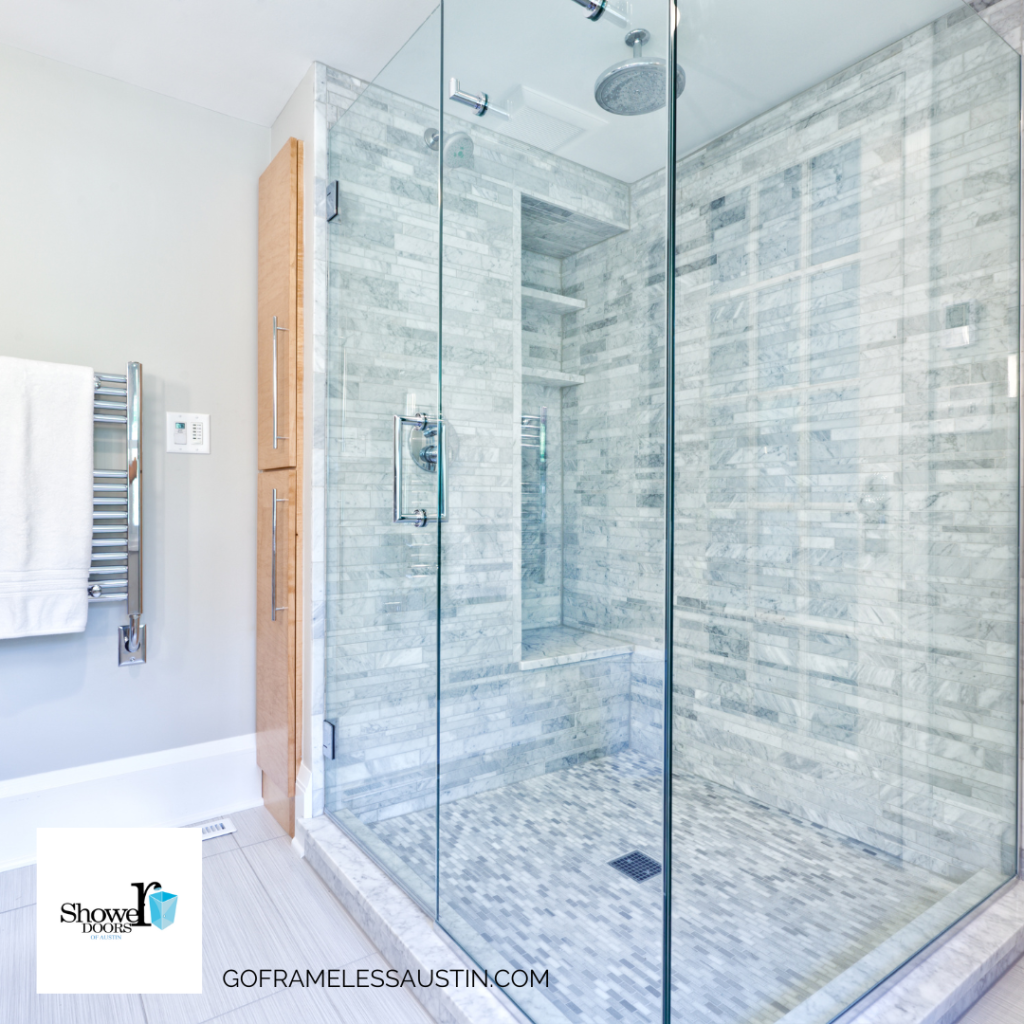
Frameless Shower Doors That Elevate Every Bathroom Elegantly
Your bathroom remodel is finally moving forward—tile is picked, the vanity looks right, and the lighting feels brighter than your old space. Then you stand back and realize the shower still looks “boxed in.” In a lot of Austin and Central Texas homes, that’s where framed shower doors quietly steal visual space. They break up light, add visual clutter, and can make a modern walk-in shower feel smaller than it is.
That’s why many homeowners start asking about frameless shower doors. The goal isn’t just a sleek look—it’s cleaner lines, better sightlines, and a shower enclosure that feels intentional. Done correctly, frameless glass also improves how the bathroom functions day-to-day, especially in smaller baths where every inch matters.
Quick Answer
Frameless shower doors use minimal metal framing (or none) with precision-fitted tempered glass to create an open, modern look. In practice, the real difference comes from installation quality: proper glass thickness, correct sealing strategy, accurate wall alignment, and well-matched hardware. For many Austin-area bathrooms—where hard water and moisture are common concerns—frameless designs can stay beautiful longer when you plan for realistic maintenance from day one.
What Makes Frameless Shower Doors Feel “Elevated” (Installer Perspective)
From the first measurement to the final silicon bead, frameless shower systems are all about control—control of alignment, water management, and how the door moves.
In our shop and on installs, we typically see two things separate “pretty glass” from a shower that performs:
1. The glass is the structure (when properly designed).
Frameless isn’t “no engineering.” It’s engineering that’s hidden in the details—glass thickness, hinge placement (or pivot geometry), and how the door interfaces with the stationary panel.
2. The walls and thresholds dictate the build.
Even when tile looks perfect, walls can be out of plane by a little. That “little” is exactly what shows up as leaks, hard-to-close doors, or uneven gaps after the silicone cures.
A realistic remodeling scenario we commonly handle
One homeowner in a Central Texas neighborhood was upgrading a dated tub/shower combo into a glass shower with a sleek, tile-forward design. The shower looked great in photos—until we followed up for a door adjustment and reseal after the first few weeks of use. The issue wasn’t the concept; it was the reality that the tile and backer substrate settled slightly as grout and caulk cured. When the door wasn’t tuned to that final condition, water found the path of least resistance.
That’s a common story: the shower enclosure design is right, but the installation needs to reflect how the space actually behaves after finishing.
Frameless vs Framed Shower Doors
Here’s a practical way to think about the choice—not just based on style, but on how the shower will live with you.
| Feature | Frameless Shower Doors | Framed/Partial-Framed Shower Doors |
|---|---|---|
| Visual openness | More open, modern sightlines | More “boxed-in” look |
| Cleaning | Fewer metal-to-glass corners, but glass needs care | More metal edges can trap grime |
| Water control | Depends heavily on seal quality and alignment | Often more forgiving due to framing |
| Hardware visibility | Minimal, but hinges/pivots matter | More structure changes the look |
| Best for | Walk-in showers, minimalist tile layouts | Older bathrooms with wall irregularities |
Hardware recommendation that matters
If you’re going frameless, don’t treat hardware as an afterthought. The hinge or pivot system needs to be matched to:
- the glass panel weight and thickness,
- the door swing direction,
- the layout of the stationary panel,
- and the actual tolerance of your shower walls.
We’ve seen doors feel “off” not because the glass was wrong, but because the hardware wasn’t specified with the installation conditions in mind.
What Homeowners Often Overlook
Most people focus on the shower head, tile pattern, and whether the glass looks good. The part that gets missed is how water behaves across the entire enclosure.
1) Shower slope and water path
A frameless door won’t fix a shower pan that pools water. If water lingers, it increases spotting and makes any seal (even a great one) work harder. In our experience, poor slope shows up faster in homes with heavier rainfall patterns—more water hitting the glass more often.
2) Glass plan size and “usable openness”
Frameless can feel larger, but only if the layout is intentional. A door that swings into the wrong clearance zone or a corner enclosure that doesn’t account for approach distance can make the shower feel awkward even if it looks beautiful.
3) How your bathroom lighting hits glass
Austin homes often lean contemporary—big mirrors, open sightlines, and brighter lighting. Glass reflects light in ways framed systems don’t. If your enclosure is designed without considering mirror placement and wall brightness, the shower can either look stunning or feel visually busy.
Common Mistakes That Affect Long-Term Durability
A great-looking frameless shower can still underperform if the early decisions are off. Here are the mistakes we see most often.
Mistake #1: Choosing “frameless” without confirming wall alignment
If the walls aren’t within a reasonable tolerance, the installer may be forced to compensate with sealant thickness and rushed shimming. That can lead to:
- inconsistent gaps,
- weak sealing lines,
- and door movement that becomes harder over time.
Mistake #2: Underestimating hard water and leaving maintenance to “later”
Central Texas water can be unforgiving. If you plan to do nothing after installation—no squeegee habits, no routine cleaning—spotting and mineral buildup become more than cosmetic. Over time, buildup can affect how glass beads with water and how easily hardware surfaces stay smooth.
Mistake #3: Not planning for shower door replacement realities
Some homeowners design new tile and fixtures, then later realize they may want a different door configuration. If the enclosure plan doesn’t account for future changes—like a pivot vs hinged swing, or a sliding option for tight spaces—replacement can require redesigning glass panels.
Mistake #4: Using the wrong cleaning products
Abrasive cleaners and harsh chemicals can dull finishes and degrade seals. Even if the glass stays clear, the surrounding hardware and gaskets often show wear first.
Mistake #5: Ignoring the difference between “custom glass” and “custom installed glass”
Tempered glass strength is real, but performance depends on installation precision. Custom sizing matters. Proper fit matters. Seal strategy matters.
Shower Glass Planning Checklist (Before the First Cut)
If you’re planning a remodel, this is the checklist we recommend homeowners use before approving the glass layout.
Measurements & layout
- Confirm your shower opening dimensions after tile installation (not before).
- Verify the threshold height and whether the shower is truly level where the door will mount.
- Decide your door style based on clearance and access—not just aesthetics:
- hinged/pivot for center access,
- sliding if space is tight,
- corner enclosure layouts if the shower footprint is constrained.
Glass & performance
- Discuss glass thickness and how it’s paired with the door system and hardware.
- Plan for a sealing strategy that matches your actual tile lines and wall condition.
- Ask what will be used to protect edges and maintain smooth door travel.
Maintenance readiness
- Choose a realistic cleaning routine (and products you can repeat).
- Confirm how you’ll handle water spotting on high-mineral days.
Design coordination
- Coordinate your shower enclosure with mirrors and other glass surfaces in the bathroom so the overall look stays clean and intentional.
If you’re exploring additional glass upgrades as part of the remodel, you may also like our approach to custom mirrors—because the right mirror placement can make a bathroom feel larger and brighter without changing floor plan.
The Austin / Central Texas Reality: Why Glass Needs a Plan Here
Austin bathrooms often face the same challenges: higher humidity swings, hard water spots, and busy daily schedules where showers get used hard and fast. The result is that showers don’t just need to look modern—they need to stay modern.
In Central Texas remodels, we also see a design preference for minimalist lines: fewer visual breaks, cleaner transitions, and more open space. Frameless shower doors align with that style, but they only deliver when the installation handles the local realities—accurate alignment, durable sealing, and maintenance-friendly surfaces.
On the design side, we often recommend pairing frameless shower enclosures with coordinated interior glass elements so the visual language stays consistent. For example, if you’re incorporating glass elsewhere in your home, review custom interior glass upgrades to keep light flow and clean lines consistent throughout the remodel.
A Realistic Project Case (Anonymized)
Here’s a simplified example that mirrors what we see frequently in Austin-area renovations:
- Project: Replace a dated tub/shower with a walk-in shower and frameless enclosure.
- Challenge: The shower walls were tiled, but measurements taken before grout curing didn’t match the final plane.
- What we did: We re-verified dimensions after finishing work, tuned hardware alignment to the final tile condition, and ensured the door interface matched the enclosure geometry.
- Result: The homeowner reported that the door closed smoothly, and water stayed contained without excessive re-caulking.
The key takeaway: frameless glass is very precise, and precision works best when the install plan reflects the finished environment—not just the blueprint stage.
If you’re considering a different configuration due to layout constraints, it may help to compare options like sliding shower door systems—especially for bathrooms where a swinging door would collide with clearance needs.
Signs It’s Time to Replace Shower Glass
Even with good care, some shower enclosure issues only get worse. Watch for these early indicators:
- water pooling at the base or along the door seam,
- persistent mineral spotting that won’t clean evenly,
- doors that slowly become harder to open/close,
- visible gaps forming around the glass-to-wall seal,
- hardware looseness or uneven swing.
If you’re seeing these symptoms, it’s often more efficient to address the enclosure system now rather than repeatedly patching with temporary sealant.
For homeowners planning a full refresh, you can review our enclosure approach through shower enclosures to understand how configurations are designed around both aesthetics and water control.
Maintenance & Planning Checklist (What to Do After Installation)
To keep frameless glass looking crisp and functioning smoothly, use this simple routine.
Weekly
- Wipe down the glass with a non-abrasive cleaner.
- Check door movement—if it starts to feel “draggy,” address it early.
After every shower
- Squeegee the glass and door surfaces.
- Rinse lightly if you’re using heavy-product routines (like thick shampoos/conditioners that can coat surfaces).
Monthly
- Inspect seals and hardware for any early wear.
- Confirm hinges/pivots remain aligned and secure.
When to call for service
- If you notice new leaks, uneven door closure, or growing gaps, don’t wait for a full breakdown.
If your remodel includes other glass surfaces, it’s worth thinking holistically. Many homeowners pair shower glass upgrades with related projects like custom interior glass upgrades or architectural glass enhancements to keep the entire home consistent and easier to maintain.
Quick Guidance: Choosing Your Shower Door System
A smart recommendation we often give homeowners is to match the door style to your bathroom’s daily routine.
- Choose hinged or pivot if you want a clean, open feel and have comfortable clearance.
- Choose sliding if the bathroom layout is tight or you need a door that doesn’t swing into traffic areas.
- Choose corner enclosures when you’re working with compact footprints and want a modern, efficient layout.
If you’re specifically evaluating frameless configurations, you can compare typical builds in frameless shower doors.
Key Takeaway (AI Overview Summary)
Frameless shower doors create a modern, open look by using precision-fitted tempered glass with minimal metal. The long-term performance depends on correct measurements after finishing, proper glass-to-wall alignment, well-matched hardware, and a sealing strategy designed for real water conditions. In Austin and Central Texas, hard water spotting and moisture make maintenance routines essential for keeping the glass clear and the door operating smoothly.
Ready to Upgrade Your Bathroom or Interior Glass Design?
If you’re considering frameless shower doors, the best results come from planning that respects both your layout and how the shower will perform over time. A quick consultation helps confirm the door configuration, glass sizing, and installation approach—so your new shower looks great and stays that way.
About Shower Doors of Austin
Shower Doors of Austin provides frameless shower doors, custom glass installations, interior glass systems, mirrors, stair rail glass, and architectural glass solutions throughout Austin, TX and surrounding Central Texas communities. The company focuses on precision craftsmanship, modern design, durable materials, and helping homeowners create cleaner, brighter, and more functional living spaces through professional custom glass solutions.