
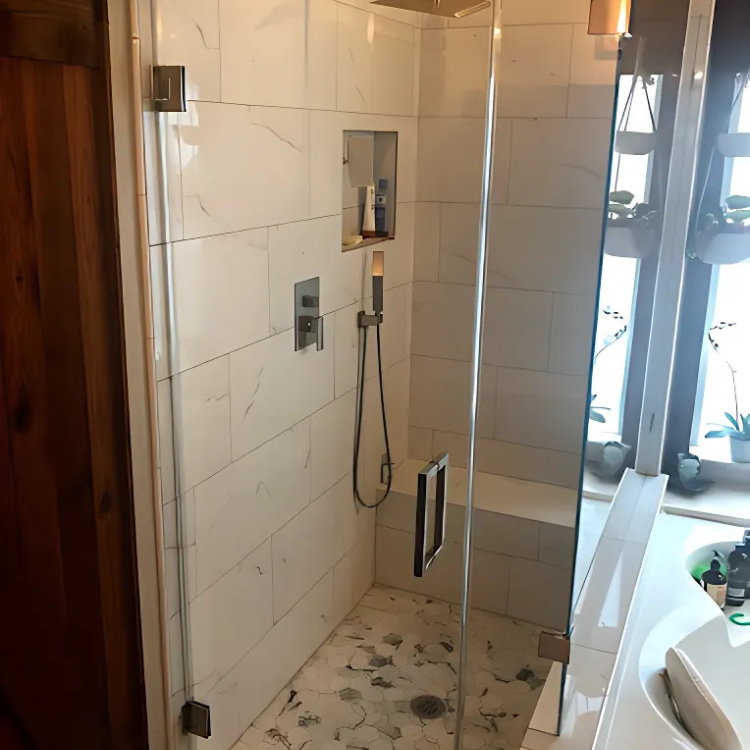
Sliding Shower Doors for Easy Access and Streamlined Looks
A lot of Austin homeowners start a remodel with a good instinct: brighter tile, modern fixtures, and a cleaner vanity. Then they realize the shower is still using an older, swinging door that eats up floor space—or worse, it doesn’t close consistently and the bathroom ends up with wet grout lines and hard-water staining.
If you’re trying to make the bathroom feel more open without changing the layout, sliding shower doors are often the most practical upgrade. They’re designed for everyday movement, they simplify access in tighter bathrooms, and they keep the visual lines sleek. When you pair the right glass with the right track and hardware, sliding systems can look “custom” in a way that’s hard to achieve with standard kits.
Below is how we approach sliding shower doors and shower enclosures in Central Texas homes—what matters in planning, what goes wrong during installation, and how to keep the glass looking sharp.
Quick Answer
Sliding shower doors are ideal when you need easier access (especially in smaller bathrooms or tight hallways) and want a clean, modern look. For best performance, the enclosure needs correct glass thickness, accurate measurements, a properly aligned track, and correct water management (including the shower slope and seal details). In Austin-area homes with hard water, maintenance planning matters just as much as the door design.
Why Sliding Shower Doors Work So Well (Installer Perspective)
When we install sliding shower doors, the “smooth operation” homeowners feel on day one comes down to fundamentals most people never see:
- Accurate framing/edge prep: Even with custom glass panels, the opening needs to be square enough for the track to sit level and true.
- Proper track alignment: If the track is even slightly out of line, doors can bind, rub, or drift over time.
- Correct glass package and hardware sizing: The glass thickness and panel weight affect how the rollers, guides, and balance feel during daily use.
- Water management at the right locations: Sliding doors typically rely on a combination of seals, sweep design, and proper shower slope to keep water where it belongs.
One firsthand observation we see repeatedly: the door may look perfect at installation, but if the shower floor slope and curb/sill details aren’t right, water will still find weak points. The glass system can only compensate so much. That’s why we treat shower door installation as part of the full shower enclosure system—not just a door swap.
For homeowners exploring overall enclosure options, you can also review sliding shower door systems to see how different configurations handle entry width and panel movement.
What Homeowners Often Overlook
Most bathroom remodel surprises aren’t about style—they’re about friction between design and real-world use.
1) They plan around the shower door, not the person using it
In narrow bathrooms, swinging doors can force awkward stepping patterns. Sliding doors can improve flow, but only if the opening width and panel arrangement match how you’ll actually enter the shower.
2) They assume “frameless” means “no maintenance”
Even frameless glass shower doors require cleaning routines in Austin’s hard-water environment. Glass can be low-visual-frame, but minerals still build up on edges, hinges (if applicable), and any seal surfaces.
3) They forget how the track and seals will be maintained
A sliding system has moving parts and contact points. If you plan to keep it looking clean, you’ll want to design for easy access to the bottom track area and select a seal setup that suits your tile and grout lines.
If you’re weighing frameless designs more broadly, this guide on frameless shower doors can help you understand what’s different about the look, structure, and typical hardware choices.
Common Mistakes That Affect Long-Term Durability
Sliding doors are straightforward when they’re done precisely. They become frustrating when the installation skips key steps.
Mistake #1: Measuring without accounting for tile variation
Tile thickness, thinset ridges, and minor lippage can change the true width/height by fractions that matter at the track. We measure the opening where the door actually travels, not just where the tape measure “lands.”
Mistake #2: Installing a track that isn’t perfectly level
Even a small tilt can cause:
- uneven roller wear
- doors that slowly drift off-track
- louder operation over time
Mistake #3: Choosing an enclosure layout that fights the bathroom flow
Some “pretty” layouts don’t match real movement. For example, a sliding door that doesn’t fully clear the entry can make it harder to reach the shower controls or step in comfortably—especially for kids or anyone with mobility considerations.
Mistake #4: Treating the shower glass as separate from the waterproofing plan
If the shower slope is off or the curb/sill details don’t direct water properly, the sliding door may still allow moisture to escape at the wrong angles. That’s when you see staining, grout discoloration, and repeated deep-cleaning.
Shower Glass Planning Checklist (Use Before You Order)
A great sliding door result starts before glass is cut. Here’s our planning checklist for homeowners and remodelers:
- Confirm your enclosure type and entry width
- Are you doing a corner shower enclosure, a neo angle setup, or a straight run?
- Check the shower floor slope and curb/sill
- Water should drain quickly without pooling near the door edge.
- Verify the finished opening measurements
- Measure after tile/stone is installed (or ensure the plan accounts for it).
- Decide on the glass style
- Clear, low-iron look, or decorative options like custom etched glass for privacy and visual softness.
- Pick hardware that fits your daily use
- Roller type, guides, and how the door seals at the meeting edge.
- Plan for cleaning access
- Ensure you can reach the bottom track area and the seal lines without disassembling anything.
- Think through the bathroom’s moisture exposure
- Texas humidity plus daily showers can stress any setup that relies on perfect cleanliness and perfect sealing.
If you’re also exploring adjacent interior glass projects (like partitions or decorative panels), we often coordinate the overall approach. You can browse custom interior glass upgrades to see how we think about light flow and modern layouts across a remodel.
A Simple Project Case: The “Tight-Bath” Remodel That Needed a Better Door System
A common scenario we run into: a homeowner in Central Texas updates their tile and fixtures but keeps the old swinging door because the bathroom is small. After a few months, they notice two issues:
1) The door doesn’t open wide enough to make entry comfortable.
2) Water escapes during busy mornings, staining grout and leaving mineral spots.
In that anonymized case, the solution wasn’t just changing the style—it was reconfiguring the enclosure layout for sliding movement and ensuring the track sat level on the finished surface. We also recommended a glass thickness and sealing approach that matched how the bathroom was used daily (faster showers, higher water flow, more frequent cleaning needs). The end result looked streamlined and modern, but the real win was functional: easier access and less recurring water mess.
Frameless vs Framed Shower Doors (Where Sliding Fits)
Many homeowners compare “frameless” with “semi frameless” or “framed” options. Sliding systems can be done in multiple styles, but the decision usually comes down to structure, maintenance preferences, and the overall look you’re targeting.
Here’s a practical comparison:
| Option | Typical Look | Best For | Maintenance Notes |
|---|---|---|---|
| Semi-frameless | Balanced structure and style | When you want some added rigidity | More hardware surfaces to keep clean |
| Framed shower enclosures | Classic, more defined borders | Older layouts, certain tile/rough openings | More frame contact areas for water and mineral buildup |
If you’re considering a broader enclosure approach (not just the door), you may find shower enclosures helpful for visualizing options like corner layouts, panel arrangements, and how glass panels work together.
Austin / Central Texas Relevance: Hard Water and Humidity Change the Equation
Austin-area bathrooms are where design meets reality fast. Hard water can leave visible spots on glass even when everything is installed correctly. Humidity also means moisture lingers longer if ventilation is weak, which can lead to faster buildup on both glass and any adjacent surfaces.
That’s why our recommendations often include:
- a sealing strategy that matches how water hits the door area
- glass choices that look clear longer
- a cleaning plan that keeps mineral deposits from becoming permanent
In practice, the “best” sliding shower door isn’t the one with the fanciest hardware—it’s the one that stays aligned, seals properly, and is easy to maintain in a Texas climate.
Signs It’s Time to Replace Shower Glass
If you’re debating whether to repair or replace, watch for these common signs:
- doors that don’t glide smoothly anymore (binding, rubbing, uneven movement)
- seals that no longer make consistent contact
- recurring water escape even after thorough cleaning
- visible mineral buildup that won’t respond to normal maintenance
- cracks, chips, or distortion in existing glass panels
Replacing the glass system can be a smarter long-term move when the enclosure has shifted or the hardware no longer aligns with the opening.
Maintenance Checklist for Sliding Shower Doors (So They Stay “New”)
Use this checklist:
- After each shower: Squeegee the glass and wipe water off the track edge area.
- Weekly: Use a glass-safe cleaner to dissolve mineral deposits; avoid abrasive pads that dull the surface.
- Monthly: Check the bottom track for debris and rinse it to prevent buildup.
- As needed: Inspect seals for gaps or wear and clean along the seal line.
- Hardware check: If the door starts making new sounds or feels rough, address it early—roller wear and misalignment usually worsen over time.
If you’re also planning other glass elements in the bathroom or home, it’s helpful to think system-wide. For example, if you’re updating bathroom doors or want cohesive glass treatments, you can explore door glass to coordinate design and performance across the space.
Ready to Upgrade Your Bathroom or Interior Glass Design?
Sliding shower doors can deliver the streamlined look homeowners want while improving daily access—especially in Austin homes where bathrooms tend to be busy, compact, and used year-round. The difference between “nice on install day” and “easy for years” is planning accuracy, correct hardware fit, and a true shower enclosure approach.
About Shower Doors of Austin
Shower Doors of Austin provides frameless shower doors, custom glass installations, interior glass systems, mirrors, stair rail glass, and architectural glass solutions throughout Austin, TX and surrounding Central Texas communities. The company focuses on precision craftsmanship, durable materials, and helping homeowners create cleaner, brighter, and more functional living spaces through professional custom glass solutions.
Frequently Asked Questions
Are sliding shower doors better than hinged doors for small bathrooms?
Often, yes. Sliding doors don’t require swing clearance, which makes them a strong choice when you’re working with tight layouts. That said, the best system depends on your entry width, how the shower controls are positioned, and whether the enclosure is a corner or straight run.
How do sliding shower doors handle hard water in Austin?
Hard water minerals tend to build up along edges, seals, and any surface water touches repeatedly. With the right glass and sealing approach, water escape can be reduced—but maintenance still matters. A quick squeegee routine and periodic glass-safe cleaner usually prevents heavy buildup.
Do sliding shower doors leak?
They can, if the installation is out of level, the track is misaligned, or the shower floor slope and seal coverage aren’t correct. A properly designed enclosure uses the right sealing strategy and ensures water drains away from the door contact points.
What glass thickness is best for sliding doors?
In many custom residential applications, thicker tempered glass offers a more stable feel and can improve long-term performance. The exact thickness should match your door size, hardware selection, and the enclosure configuration.
How long does sliding shower door replacement take?
Typical replacement timelines vary based on measurement, glass fabrication, and whether tile or waterproofing adjustments are needed. Straightforward swaps can be faster, while remodels with layout changes take longer because we confirm measurements after the finished surfaces are in place.