
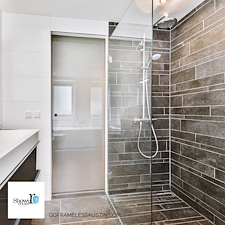
Across the country, homeowners now spend more on their shower enclosure than on their bathtub, and in many modern remodels the tub disappears altogether. That shift says a lot about how people live today: the shower has become the centerpiece of the bathroom, not an afterthought tucked behind a curtain. In design-forward cities like Austin, TX, a quality shower enclosure is often the feature that defines whether a bathroom feels dated or truly modern.
Quality shower enclosures do far more than keep water off the floor. They influence how spacious the room feels, how easy it is to clean, how safe it is for every age, and even how much natural light reaches the far corners of the space. For homeowners working with companies like Shower Doors of Austin, the enclosure is where aesthetics, engineering, and daily comfort all intersect. Glass thickness, hardware style, door swing, and custom sizing all play a role in creating a bathroom that feels tailored instead of generic.
In a modern home, the shower enclosure is often the single largest uninterrupted surface you see when you walk into the bathroom. That means its quality is instantly visible. Wavy builder-grade glass, clunky frames, or leaky door seams undermine the look of an otherwise beautiful space. By contrast, a well-crafted frameless or semi-frameless enclosure with carefully chosen hardware can make even a modest Austin bathroom feel like a boutique hotel suite. Understanding what truly defines “quality” in a shower enclosure is the first step to getting a result you will appreciate every morning.
What Makes An Enclosure “Quality”
Many people assume all glass shower enclosures are basically the same, but the differences become obvious over time. A quality enclosure starts with the glass itself. Most modern premium systems use tempered safety glass, typically 3/8″ or 1/2″ thick, which offers a solid, substantial feel when the door opens and closes. Thicker glass not only looks more luxurious, it resists flexing and rattling, reduces the chance of accidental breakage, and allows for cleaner, more minimal hardware. In a modern Austin bathroom where sleek lines and openness are prized, that visual simplicity matters.
Hardware is another key indicator of quality. Hinges, handles, clamps, and channels all work together to support the glass and keep the door functioning smoothly. Cheap hardware can pit, corrode, or loosen over time, especially in a humid environment. Quality hardware, the kind used by specialists like Shower Doors of Austin, relies on solid brass or stainless-steel construction, robust fasteners, and finishes that hold up to daily use. The difference is not just cosmetic; better hardware keeps doors aligned, prevents sagging, and reduces the risk of leaks and drafts.
Installation quality is often overlooked but arguably matters most. Even the best materials can perform poorly if installed incorrectly. Plumb, level, and square conditions are essential for glass to seal correctly and move without binding. Professional installers evaluate the tile layout, wall structure, and slope of the shower pan to design an enclosure that manages water effectively. In older Austin homes, where walls are rarely perfectly straight, custom measuring and precise fabrication are critical to achieving a tight, clean fit that feels custom-built rather than forced into place.
Design Styles For Modern Bathrooms
Modern bathrooms in Austin tend to embrace openness, natural light, and a sense of calm. Frameless glass shower enclosures are a natural fit for this aesthetic because they minimize visual barriers. With little or no metal framing around the glass, sightlines extend through the shower to the back wall tile or window, making the room feel larger. This is especially important in smaller urban homes or condos where every square foot counts. A frameless design turns the tile and fixtures inside the shower into part of the overall room design, not a separate zone hidden behind metal and plastic.
However, frameless is not the only modern look. Semi-frameless enclosures use slim metal framing strategically, often around the perimeter, while leaving the door edges exposed. This approach can deliver a clean, contemporary appearance with a slightly lower cost than fully frameless systems. It also allows for interesting design choices such as black, brushed gold, or matte nickel frames that echo the finish of faucets and cabinet hardware. In many Austin remodels, homeowners use these subtle frames to tie the shower into the rest of the bathroom’s design language.
For those looking for a bold, architectural statement, grid-style or “steel look” enclosures have become popular. These feature metal mullions or simulated grids that create a modern industrial feel, reminiscent of loft windows or converted warehouse spaces. They work particularly well with concrete-look tile, warm wood vanities, and minimalist fixtures. High-quality fabrication is essential here; misaligned grids or flimsy frames quickly cheapen the effect. Working with an experienced glass company ensures the proportions, spacing, and finishes look intentional and cohesive with the rest of the bathroom.
Functionality, Comfort, And Everyday Use
While aesthetics matter, a shower enclosure is ultimately something you interact with every day. A quality design considers how you move, where water goes, and how easy it is to maintain. One of the most important functional decisions is whether to use a swinging (hinged) door, a sliding door, or a fixed-panel walk-in design. Hinged doors provide a wide opening and a solid, satisfying feel, but they require clear floor space to swing open. In a compact Austin bathroom, that swing path can conflict with toilets, vanities, or entry doors if not carefully planned.
Sliding doors, on the other hand, save space and are ideal for wider openings like tub-to-shower conversions or alcove showers. Modern sliding systems have come a long way from the clunky tracks of decades past. Quality systems glide smoothly, use minimal top rails, and often feature soft-close mechanisms. Properly designed, they keep water contained while still delivering a contemporary look. For some layouts, a fixed glass panel with an open entry can be ideal, especially in larger showers where water is directed away from the opening. These “walk-in” designs feel incredibly open and spa-like, though they do require thoughtful placement of shower heads and drains.
Comfort also includes considerations such as privacy and warmth. Clear glass maximizes openness but might not suit every household. Frosted, patterned, or tinted glass can add privacy without sacrificing style. Some homeowners in Austin choose a hybrid approach, keeping the upper section clear for light and using obscure glass below for privacy. Warmth is another subtle but important factor: a well-designed enclosure that seals properly will retain steam and reduce drafts, making the shower experience more comfortable. Attention to details like door sweeps, thresholds, and panel alignment helps maintain a pleasant, consistent environment inside the shower.
Materials, Coatings, And Maintenance
Quality shower enclosures are built to withstand daily exposure to water, soap, and cleaning agents. The glass itself is typically tempered for safety, but beyond that, homeowners can choose additional treatments that improve long-term appearance. Protective glass coatings create a barrier that helps resist mineral buildup, soap scum, and etching from hard water. In an area like Austin, where water can leave noticeable spots, these coatings can significantly reduce maintenance time. While they do not eliminate cleaning altogether, they make it easier to restore the glass to a clear, streak-free state with basic cleaning products.
Hardware finishes also influence maintenance. Polished chrome is classic and reflective, but it can show water spots more readily. Brushed nickel, stainless, matte black, and brushed gold finishes tend to disguise minor spots and fingerprints better, while still delivering a modern look. High-quality finishes are applied in multiple layers or through advanced processes like PVD (Physical Vapor Deposition) to resist tarnishing and peeling. Inferior finishes may look similar at first but quickly reveal their limitations when exposed to daily moisture and cleaning.
From a daily-care standpoint, the design of the enclosure can either simplify or complicate your cleaning routine. Fewer metal channels, minimal overlapping surfaces, and clean, straight runs of glass are easier to wipe down. Frameless and semi-frameless systems excel here, since they reduce the crevices where grime can collect. Many homeowners in Austin adopt simple habits like using a squeegee after each shower to keep glass looking pristine. When you work with a specialist like Shower Doors of Austin, you can discuss how different designs will affect long-term upkeep and choose one that fits your lifestyle and tolerance for maintenance.
Customization And Working With A Local Specialist
No two bathrooms are exactly alike, especially in a city with as much architectural diversity as Austin. From mid-century ranch homes to contemporary townhouses and renovated bungalows, each space presents unique dimensions, angles, and structural conditions. Custom shower enclosures allow you to tailor the glass to fit your exact opening instead of forcing your opening to fit a standard-size unit. This is particularly valuable in remodels where walls may be out of square, niches break up the wall line, or ceiling heights vary. Custom fabrication ensures tight, even gaps and a finished look that feels intentional.
Working with a local company like Shower Doors of Austin means you’re not just ordering glass; you’re getting design guidance that reflects local building practices and lifestyle preferences. An experienced team can walk through your bathroom, note where the studs are, evaluate tile conditions, and advise on the best layout for both aesthetics and performance. They can also coordinate with your contractor or tile installer to make sure slopes, blocking, and waterproofing are handled correctly before the glass is measured. This collaboration reduces surprises and keeps the project on schedule.
Customization extends beyond size and shape. You can choose glass thickness, edge profiles, hardware style, door handle design, and even complementary glass elements elsewhere in the home, such as mirrors or Custom Glass Table Tops. By keeping these elements consistent, you create a cohesive design language that flows from the bathroom into other spaces. For homeowners who value craftsmanship and longevity, investing in a thoughtfully designed, custom-built shower enclosure often provides one of the highest returns in terms of daily satisfaction and added resale appeal.
Planning Your Project In Austin
Planning a quality shower enclosure starts long before the glass is ordered. Ideally, decisions about the enclosure are made during the early design phase of a remodel or new build. The size and style of the enclosure influence where plumbing lines are run, how the tile is laid out, and how the bathroom circulation works. In Austin’s competitive real estate market, buyers increasingly look for modern, well-executed bathrooms, so taking the time to plan the enclosure carefully can become a selling point later.
Measurements are a critical step. Professional installers typically measure after tile is installed to account for any variation in wall surfaces and to ensure exact fit. For this reason, it’s important not to rush into ordering glass too early. A reputable company like Shower Doors of Austin will walk you through the timeline, explaining when to make design selections, when to schedule measurement, and what to expect during installation day. Clear communication at each stage helps avoid costly changes and ensures the finished product matches your vision.
Budget is another factor, but it’s helpful to view the enclosure as a long-term investment rather than a short-term expense. A quality system can last many years with minimal issues, while cheaper alternatives may require replacement or frequent repairs. For many Austin homeowners, prioritizing a well-made, visually appealing shower enclosure pays off both in daily enjoyment and in the perception of quality when guests or potential buyers see the bathroom. Balancing cost with durability, appearance, and local expertise is the key to making a smart, future-proof decision.
Frequently Asked Questions
How thick should the glass be for a quality shower enclosure? For most modern, high-quality enclosures, 3/8″ tempered glass is considered the standard because it offers a sturdy feel and allows for minimal hardware. In some designs, especially larger or more open layouts, 1/2″ glass may be recommended for additional rigidity and a more substantial look. Thinner glass, such as 1/4″, is usually reserved for framed systems and can feel less solid over time. A local specialist in Austin can evaluate your specific layout and recommend the thickness that balances aesthetics, safety, and budget.
Are frameless shower doors more likely to leak? A common misconception is that frameless doors leak more than framed systems. In reality, a properly designed and installed frameless enclosure should control water effectively. The key is planning: the shower head should be positioned away from the door, the curb should be correctly sloped, and seals or sweeps should be installed where needed. Small amounts of splash near the door opening are normal in some layouts, but persistent leaks usually indicate an underlying design or installation issue, not an inherent problem with frameless glass.
What is the best way to keep my shower glass clear? Daily or regular light maintenance is the most effective strategy. Many homeowners in Austin use a simple squeegee after each shower to remove water droplets before they dry and leave mineral spots. Pairing this habit with a protective glass coating can significantly reduce buildup from hard water and soap. For periodic cleaning, a non-abrasive glass cleaner or a mild vinegar-and-water solution works well. Avoid harsh scouring pads or cleaners with strong acids or alkalis, as these can damage coatings and hardware finishes over time.
Can I install a custom shower enclosure in an older Austin home? Yes, older homes often benefit greatly from custom enclosures because walls and floors may not be perfectly square or level. Off-the-shelf units are designed for ideal conditions and can look misaligned or leave gaps in real-world situations. A custom enclosure is measured to your exact opening, accounting for any irregularities and creating a clean, tailored fit. Experienced installers are also familiar with the structural issues that older homes can present and can advise on reinforcement or preparation needed before installation.
How long does it take to get a custom shower enclosure installed? The timeline varies depending on design complexity, glass supplier lead times, and the overall progress of your bathroom project. Generally, once tile work is complete and final measurements are taken, fabrication can take anywhere from one to several weeks. Installation itself is usually completed in a single day for most standard projects. A company like Shower Doors of Austin will provide a more precise timeline based on your specific design, allowing you and your contractor to coordinate schedules and minimize downtime in your bathroom.