
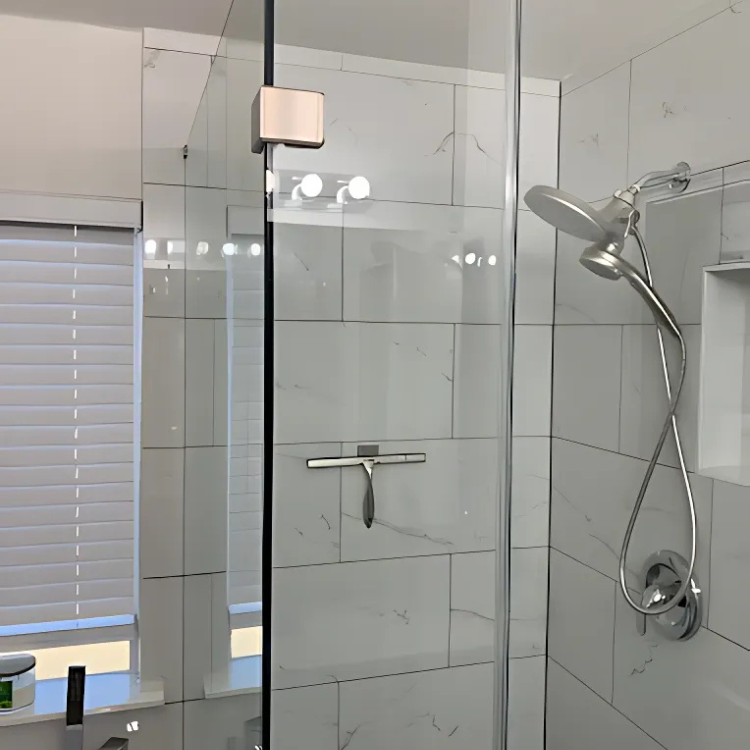
The first time you step into a brand‑new glass shower, everything feels spotless. The glass sparkles, water beads up and rolls away, and the whole bathroom suddenly looks bigger and brighter. Fast forward a few months in a busy Austin household, and the story can look very different: cloudy streaks on the panels, stubborn water spots at eye level, and a hazy film that never seems to rinse off completely. Many homeowners assume their glass is permanently “aged,” when in reality, the issue is almost always maintenance – or the lack of a consistent routine.
Glass shower doors are one of the most striking features in a modern bathroom, especially when they’re custom designed and professionally installed. But they also sit right in the splash zone, taking daily hits from hard water, soap, shampoo, and humidity. Without the right care, even premium glass can start to look tired. The good news is that keeping your shower doors crystal clear doesn’t require complicated products or hours of scrubbing. With a few smart habits and some local know‑how tailored to Austin’s water and weather, you can dramatically extend the life and beauty of your glass.
Below, we’ll walk through practical, real‑world maintenance tips for your glass shower doors – the kind that busy homeowners can actually stick with. Whether your shower was installed last week by Shower Doors of Austin or you’re trying to revive a door that’s seen better days, these strategies will help you protect your investment, simplify cleaning, and keep your bathroom looking like it belongs in a design magazine.
Know Your Enemy: Hard Water & Soap Scum
Before you reach for any cleaning products, it helps to understand what you’re fighting against. In Austin, TX, hard water is a fact of life. That means your tap water contains a higher concentration of dissolved minerals like calcium and magnesium. Every time you shower, those minerals are left behind in tiny droplets on your glass. As the water evaporates, mineral deposits remain, forming the familiar white spots and dull film that can make glass look etched or frosted over time.
Layered on top of those mineral spots is soap scum, which is exactly what it sounds like: a combination of soap residue, body oils, and dirt. Soap scum clings to glass and gives it that slick, slightly sticky feel when you run your hand across the surface. In a humid environment like a closed shower, it builds up faster, especially if you use bar soaps or heavy conditioners. If you ignore it for weeks or months, the buildup hardens and becomes much more difficult to remove without aggressive scrubbing or harsh chemicals.
The real issue is that hard water and soap scum work together. Mineral deposits give soap scum something to grip onto, and the scum then traps more minerals as new water hits the glass. Over time, this can lead to what looks like permanent staining, even on high‑quality glass installed by professionals like Shower Doors of Austin. The key to easy maintenance is breaking this cycle early and consistently so the buildup never gets the chance to turn into a long‑term problem.
Daily Habits That Make All The Difference
The most effective maintenance strategies are the ones that fit seamlessly into your daily routine. Think of it this way: a minute or two of quick upkeep after each shower can save you from an hour of intense scrubbing every month. The trick is to choose habits that are easy enough that everyone in the household will actually follow them.
One of the simplest and most powerful tools you can use is a basic shower squeegee. Keep it hanging inside the shower, and make it a rule that the last person to shower in the morning or evening runs the squeegee over the glass. Start at the top and work your way down in overlapping strokes. This removes most of the water droplets before they have a chance to evaporate and leave mineral deposits behind. In a hard‑water area like Austin, this single habit can dramatically slow down spotting and cloudiness.
If a squeegee feels like too much effort for your household, even a quick wipe down with a microfiber cloth or absorbent towel is better than nothing. Focus especially on the areas that get hit directly by the showerhead and along the bottom edge of the glass where water tends to collect. Pair that with leaving the shower door partially open after use so air can circulate. Good ventilation helps the glass dry faster and reduces the time minerals and soap have to cling to the surface.
Finally, pay attention to what you bring into the shower. Liquid body washes and shampoos typically rinse cleaner than bar soaps, which tend to leave more residue on glass and tile. If you love bar soap and don’t want to give it up, that’s fine – just understand that it may require a bit more diligence with your daily squeegee or wipe‑down routine to keep your glass looking pristine.
Weekly Cleaning: Products And Techniques
Even with great daily habits, your glass shower doors will still need a more thorough cleaning about once a week or every other week, depending on how many people use the bathroom. The goal of this deeper clean is to remove the thin layers of soap film and light mineral deposits that escape your quick wipe downs. The good news is that you don’t need harsh chemicals for routine maintenance, and in many cases they can actually do more harm than good to your glass, metal hardware, and surrounding surfaces.
Start by choosing a gentle, non‑abrasive cleaner. Many Austin homeowners like simple DIY mixtures such as equal parts white vinegar and water in a spray bottle. Vinegar helps dissolve mineral deposits and cut through soap scum without scratching the glass. Spray the solution liberally on the inside of the glass and let it sit for a few minutes so it can work on the buildup. Then use a soft microfiber cloth or a non‑scratch sponge to wipe in circular motions, paying extra attention to areas that look cloudy or streaked.
If you prefer commercial products, look for cleaners specifically labeled as safe for glass shower doors and free of ammonia and harsh acids. Avoid powder cleansers, scouring pads, and anything with grit, as these can leave tiny scratches on the glass surface. Those micro‑scratches not only dull the appearance, they also give soap scum and minerals more places to grab onto, making future cleaning harder. After scrubbing, rinse thoroughly with warm water and finish by squeegeeing or towel‑drying the glass to avoid new spots forming as it dries.
Don’t forget the edges and hardware during your weekly cleaning. Use a soft toothbrush or small detailing brush around hinges, handles, and tracks (if you have a sliding door) to remove trapped soap and grime. Wipe metal finishes gently with a damp cloth and then dry them to prevent water spots and corrosion. When Shower Doors of Austin installs new doors, they’re often paired with high‑quality hardware, and keeping that hardware clean and dry helps preserve the overall high‑end look of your shower.
Dealing With Stubborn Spots And Older Glass
If your glass shower doors have already accumulated years of neglected buildup, you may need a more targeted approach to bring them back to life. In older Austin homes, it’s common to see glass that looks permanently etched or frosted, especially in areas that see heavy use. The first step is to determine whether you’re dealing with surface buildup or actual etching, which is damage to the glass itself.
To test this, run your fingernail gently across the cloudy area. If it feels smooth and you can’t detect a change in texture, it’s likely surface buildup that can still be removed. In that case, you can try a more concentrated vinegar solution or a specialized hard water stain remover designed for glass. Apply the product according to the instructions, let it sit longer than you would for routine cleaning, and use a non‑scratch pad to work on the spots. You may need to repeat the process several times for heavily affected areas.
If the surface feels rough or you can feel tiny pits or grooves, the mineral deposits have probably etched into the glass. At that point, no amount of cleaning will restore the original perfectly clear finish, because the glass itself is physically damaged. You can improve the appearance somewhat by thoroughly cleaning and polishing the surface, but the only true fix for severe etching is replacing the glass panel. This is where a local specialist like Shower Doors of Austin can evaluate your existing doors and recommend whether restoration attempts are worthwhile or if new glass would be a better long‑term investment.
For homeowners who want to avoid ever reaching that point, consider applying a protective glass treatment. Some shower door installations include a factory‑applied coating that helps repel water and reduce mineral adhesion. If your doors don’t have this, there are after‑market sealants and protective treatments that can be applied by professionals or as DIY products. These coatings don’t make your shower “maintenance‑free,” but they do make regular cleaning easier and can significantly slow down the rate of buildup and staining.
Caring For Frames, Seals, And Hardware
When people think about maintaining their glass shower doors, they often focus exclusively on the glass panels and overlook the supporting components that keep everything functioning smoothly. Frames, hinges, seals, and handles all play a critical role in how your shower looks and performs, and they can suffer from the same water, soap, and humidity exposure as the glass itself. Ignoring them can lead to leaks, corrosion, and even premature failure of the door system.
For framed or semi‑framed doors, pay attention to the metal channels along the bottom and sides. These areas tend to collect water, soap, and even small bits of debris over time. Use a mild cleaner and a soft brush to scrub inside the channels, then rinse and dry thoroughly. Avoid leaving standing water in the frame, as this can accelerate corrosion and lead to unsightly stains. In Austin’s warm climate, moisture trapped in tight spaces can also encourage mildew growth, so good ventilation and occasional deep cleaning are especially important.
Rubber or vinyl seals along the edges of the door are another key maintenance point. These seals help keep water inside the shower and prevent drafts, but they can harden, crack, or pull away from the glass if they’re constantly coated in soap and not cleaned. Wipe them gently with a damp cloth during your weekly cleaning, and inspect them periodically for signs of wear. If you notice gaps, brittleness, or significant discoloration, it may be time to have them replaced. Replacing seals is a relatively small service compared to full door replacement, and a company like Shower Doors of Austin can usually match or upgrade your existing components.
Hinges and handles should be cleaned with a non‑abrasive cleaner that’s safe for the specific finish (chrome, brushed nickel, black, etc.). Never use steel wool or abrasive pads on hardware, as they can scratch and remove the protective finish, leaving the metal vulnerable to rust or tarnish. If your hinges start to squeak or feel stiff, consult your installer before applying any lubricants; some products can drip onto the glass or tile and cause staining. In many cases, a quick professional adjustment is all that’s needed to keep the door swinging smoothly and sealing properly.
Planning For Longevity And Professional Help
Consistent maintenance isn’t just about keeping your shower looking pretty for guests; it’s also about protecting the investment you’ve made in your bathroom. High‑quality glass doors, especially custom installations, are designed to last for many years when properly cared for. In a market like Austin, where homebuyers pay close attention to bathroom finishes, well‑maintained shower doors can even be a subtle selling point that sets your home apart.
That said, there are times when DIY cleaning and minor touch‑ups aren’t enough. If you notice recurring leaks around the door, glass panels that feel loose or rattly, or hardware that no longer lines up correctly, it’s wise to bring in a professional. Trying to force a misaligned door or over‑tighten hardware can lead to cracks or breakage. A local specialist familiar with the products and installation methods used in Austin homes can diagnose whether the issue is a simple adjustment, a worn component, or a sign that the door has reached the end of its practical lifespan.
It’s also worth considering your broader bathroom maintenance habits. Using a bathroom fan during and after showers, keeping grout and caulk in good condition, and addressing small leaks promptly all contribute to a healthier environment for your glass doors. When moisture levels are controlled and surfaces are kept clean, your doors don’t have to work as hard to stay clear and functional. Homeowners who invest in high‑end glass features like frameless doors or even specialty elements such as Custom Wine Rooms often find that a little bit of regular attention goes a long way toward preserving that luxury feel.
Ultimately, maintaining your glass shower doors in Austin, TX is a partnership between everyday habits and occasional expert support. By combining quick daily wipe downs, thoughtful weekly cleaning, and periodic professional check‑ups from companies like Shower Doors of Austin, you can enjoy clear, bright, beautiful glass for years to come, instead of watching it slowly lose its shine.
Frequently Asked Questions
How often should I clean my glass shower doors? For most Austin households, a two‑tiered approach works best. Aim for a quick daily routine – such as squeegeeing or wiping down the glass after each shower – to remove water droplets and prevent fresh mineral spots. Then, schedule a more thorough cleaning once a week or every other week, depending on usage. During this deeper clean, use a gentle glass‑safe cleaner to remove any lingering soap film and light hard water deposits. If your bathroom sees heavy use or you know your water is particularly hard, you may want to increase the frequency of the weekly cleaning to stay ahead of buildup.
Are vinegar and DIY cleaners safe for my shower glass? In most cases, a diluted white vinegar solution is safe and effective for cleaning glass shower doors, especially for tackling hard water spots common in Austin. Mix equal parts vinegar and water, spray it on the glass, let it sit briefly, then wipe with a soft cloth and rinse. However, you should avoid using vinegar on natural stone surfaces like marble or travertine that may be near your shower, as the acidity can damage stone. Always test any DIY cleaner on a small, inconspicuous area first, and avoid abrasive additives like baking soda on the glass itself, as they can scratch the surface over time.
What products should I avoid on my glass shower doors? Avoid harsh, abrasive, or highly acidic cleaners on your shower glass, frames, and hardware. Powdered cleansers, scouring pads, steel wool, and products with grit can leave micro‑scratches that dull the glass and attract more buildup. Strong chemicals containing bleach, ammonia, or industrial‑strength acids can discolor metal finishes, damage seals, and create fumes in an enclosed bathroom. If your doors were installed by a company like Shower Doors of Austin, check any care instructions they provided and choose products labeled as safe for glass shower enclosures and your specific hardware finish.
Can I fix etched or permanently cloudy glass myself? If your glass has light surface buildup, you can often restore clarity with repeated cleanings using a hard water stain remover that’s safe for glass. However, if the cloudiness is due to etching – where minerals have actually eaten into the glass surface – no cleaner will fully reverse that damage. You may be able to improve the appearance slightly, but the etched areas will remain. In those situations, it’s best to consult a professional to assess whether panel replacement is the most cost‑effective option. A local expert in Austin can help you decide if restoration attempts are worthwhile or if new glass will give you a better long‑term result.
Do protective coatings really help reduce maintenance? Protective glass coatings, whether factory‑applied or added later, can make a noticeable difference in how easily your shower doors clean up. These treatments create a barrier that helps repel water and reduce the ability of minerals and soap scum to bond to the glass. In a hard‑water area like Austin, that can translate into fewer stubborn spots and less scrubbing during your weekly cleaning. They don’t eliminate the need for maintenance – you’ll still want to squeegee and clean regularly – but they do make those tasks quicker and more effective, helping your doors stay clearer for longer.