
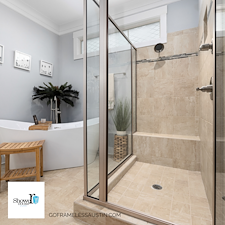
The decision to upgrade a bathroom often begins with a simple moment: you step into the shower one morning, glance at the cloudy, framed door that never quite closes right, and realize it’s dragging down the entire look of the space. The tile is fine, the fixtures are decent, but that old door is a daily reminder that the room is stuck in another decade. For many Austin homeowners, this is the turning point that leads them to explore modern glass shower doors and discover just how much impact the right enclosure can have on both style and functionality.
Choosing the best glass shower door today is not just about picking something that looks good in a catalog. It’s about understanding how the door will work in your specific bathroom, how it fits your lifestyle, how easy it will be to maintain in the long run, and how it complements the architecture of your Austin, TX home. With so many options available—frameless, semi-frameless, sliding, pivot, textured, low-iron glass—the process can feel overwhelming at first. But with a bit of guidance, you can narrow the choices down to a solution that feels custom-made for you.
Shower Doors of Austin works with homeowners every day who are surprised by how many small decisions go into that “simple” glass door. Yet those decisions are exactly what separate a frustrating, high-maintenance enclosure from one that you barely have to think about, because it just works and looks beautiful year after year. Understanding your options up front will help you choose a door that not only elevates your bathroom today but also ages gracefully with your home and your needs.
Frameless vs framed choices
One of the first big decisions is whether to go with a framed, semi-frameless, or fully frameless glass shower door. Framed doors use metal around most or all edges of the glass, while frameless doors rely on heavier, thicker glass with minimal hardware. In Austin’s design-conscious neighborhoods—whether it’s a sleek downtown condo or a renovated bungalow near Hyde Park—frameless glass has become a go-to choice for homeowners who want a clean, open feel. The lack of bulky metal framing lets the tile work and fixtures take center stage, making even smaller bathrooms feel more spacious.
Framed doors, however, still have their place. They can be more budget-friendly and may work well in secondary bathrooms, rentals, or situations where tile or walls are not perfectly plumb and need a bit more forgiveness. The metal frame can help compensate for slight irregularities in the opening. Semi-frameless options strike a balance, using metal where it’s structurally helpful but leaving the main viewing areas more open and unobstructed. These can be a smart choice when you want a lighter, more modern look without fully committing to the cost of a heavy frameless system.
For many homeowners working with Shower Doors of Austin, the deciding factor is long-term appearance and maintenance. Framed doors, especially older styles, can collect water, soap, and mineral deposits in the metal channels, which can be more noticeable in areas with hard water common around Central Texas. Frameless doors have fewer crevices, making them easier to clean and less prone to corrosion or discoloration. Thinking about how you realistically clean your bathroom—and how much time you want to spend on it—can help you choose the right level of framing.
Safety and glass thickness should also be part of the conversation. Frameless doors typically use thicker tempered glass, often 3/8″ or 1/2″, which provides a solid, high-end feel. This thickness, combined with professional installation by a local expert such as Shower Doors of Austin, ensures that the door operates smoothly and safely. Framed doors may use slightly thinner glass because the metal provides structural support, which can be adequate but feels different in daily use. Considering how substantial you want the door to feel under your hand is another subtle factor that shapes your final choice.
Selecting door styles
Once you’ve thought through framing, the next major decision is door style. The layout of your bathroom, the location of existing plumbing, and the shape of your shower all influence whether a sliding, pivot, hinged, or barn-style door is the best choice. In many Austin homes, particularly where space is tight, sliding doors are a practical solution. They don’t require extra clearance to swing open, making them ideal for bathrooms where a vanity, toilet, or wall sits close to the shower opening.
Hinged or pivot doors, on the other hand, offer a more luxurious, spa-like experience. They open outward (and sometimes inward, depending on the design), giving you a wide, welcoming entry. This style works especially well in larger primary bathrooms found in newer builds around Austin, where there’s more room to accommodate the door swing. When planning, it’s important to consider not just the door itself but also how it interacts with the rest of the room—will it hit a towel rack, bump into a cabinet, or block a walkway when open?
Barn-style or sliding panel systems have gained popularity because they combine the space-saving benefits of sliders with a more modern, minimalist aesthetic. These use exposed rollers and a track system, giving the enclosure a distinctive architectural look. In contemporary Austin homes with industrial or modern farmhouse influences, this style can tie in nicely with other design elements such as black window frames, metal stair railings, or exposed beams. However, the hardware is a key visual component, so choosing the right finish and scale is crucial to keeping the look cohesive.
Corner showers, neo-angle layouts, and custom-shaped wet rooms each bring their own challenges and opportunities. A custom glass solution, measured and installed on-site by a specialist familiar with Austin construction styles, can ensure that odd angles or non-standard dimensions don’t become a source of daily frustration. Working with Shower Doors of Austin allows you to explore configurations that maximize usable space, maintain good water containment, and still feel open and airy instead of boxed-in.
Understanding glass types
All shower doors may look like “just glass” at first glance, but the type of glass you choose dramatically affects the final look and feel of the bathroom. Clear tempered glass is the most common choice, and for good reason: it showcases tile work, makes rooms feel larger, and fits a wide range of design styles. In many Austin remodels, homeowners invest in beautiful stone or porcelain tile, and clear glass is the best way to highlight that investment rather than hide it behind patterns or frosting.
However, not every household wants full visual transparency. Frosted, patterned, or textured glass can introduce privacy while still letting light flow through the space. This can be especially helpful in shared bathrooms or in homes where the shower is visible from the bedroom. Textured options also add visual interest, casting subtle shadows and reflections that change throughout the day. They can complement the character of older Central Austin homes, where a bit of pattern and personality feels right at home.
Another consideration is low-iron glass, sometimes marketed as “ultra-clear” glass. Standard clear glass has a slight green tint caused by iron content, which can be noticeable against white tile or light stone. Low-iron glass reduces that tint, resulting in a truer color representation and a crisper, more modern appearance. In high-end Austin remodels, especially where designers are aiming for a gallery-like, neutral palette, low-iron glass can make a subtle but important difference in the overall look.
Safety and durability are non-negotiable. Tempered glass is designed to be much stronger than regular glass and to break into small, blunt pieces if it ever does fail, reducing the risk of injury. Reputable installers like Shower Doors of Austin use tempered glass that meets or exceeds building codes, and they pay attention to details such as edge polishing and proper hardware placement to minimize stress points. While homeowners don’t always see these technical decisions, they are essential to ensuring the door performs safely over many years of daily use.
Hardware, finishes, and details
The glass may be the star of the show, but hardware and finishes are the supporting cast that can make or break the final result. Handles, hinges, clamps, and tracks should align with other finishes in your bathroom, such as faucets, towel bars, and lighting. In Austin, brushed nickel and chrome remain popular for their versatility and resistance to visible fingerprints and water spots. However, black, brass, and brushed gold finishes have surged in demand among homeowners who want a bolder, more design-forward look.
When choosing hardware, think about both aesthetics and ergonomics. A substantial, easy-to-grip handle feels better in daily use than a small, decorative pull. If you have young children, older family members, or plan to age in place in your Austin home, selecting handles that are comfortable and accessible is more than a design choice—it’s a quality-of-life decision. Towel-bar handles that integrate a bar on the outside can also be practical, offering a place to hang a towel within easy reach of the shower door.
The style of hinges and brackets also influences the visual weight of the enclosure. Minimalist hinges and small clamps keep the focus on the glass and tile, while more pronounced hardware can add a touch of industrial or traditional character. The layout of your enclosure will determine how many hinges or support bars are needed for safety and stability. An experienced installer will balance your desire for a clean look with the structural requirements of the glass panels so that nothing feels flimsy or overbuilt.
Seals, sweeps, and channels—though less glamorous—are equally important. These components keep water where it belongs and reduce drafts or rattling. High-quality seals are less likely to discolor or harden quickly in Austin’s fluctuating humidity. Asking about the quality of these smaller parts, and how easily they can be replaced in the future, is a smart step when choosing a provider. Shower Doors of Austin can walk you through these details so that you understand how the entire system, not just the glass, will perform over time.
Maintenance, lifestyle, and Austin factors
Even the most beautiful shower door can become a source of frustration if it’s difficult to keep clean. Austin’s water can leave mineral deposits on glass over time, especially in neighborhoods with harder water. Choosing glass with a protective coating that resists spotting can significantly reduce the effort required to maintain a clear, sparkling appearance. These coatings help water bead and run off more easily, decreasing the buildup of soap scum and mineral residue.
Your daily routines and household makeup should also influence your choice. Busy families might prioritize durability and ease of cleaning, opting for doors that open wide for easy access and glass that doesn’t show every tiny spot. Couples or individuals designing a spa-like retreat may be more interested in ultra-clear glass, minimal hardware, and a seamless, hotel-inspired look. In both cases, working with a local company like Shower Doors of Austin means you can discuss how you actually live, not just what looks good in a brochure.
The Austin climate presents its own considerations. Bathrooms that get strong natural light from large windows or skylights can benefit from clear or low-iron glass that maximizes brightness. At the same time, that sunlight can highlight streaks and water spots more easily, making protective coatings and good ventilation even more valuable. Enclosures in rarely used guest baths might lean more toward style, while primary bathrooms used multiple times a day demand a balance of aesthetics and practicality.
Finally, think about your long-term plans for the home. If you anticipate selling in the next few years, a well-designed frameless enclosure can be a strong selling point in the Austin real estate market, where buyers often pay close attention to bathroom upgrades. If this is your “forever home,” it may be worth investing in custom glass and hardware tailored exactly to your preferences, knowing you’ll enjoy the benefits every day for years to come.
Working with a local specialist
While it may be tempting to choose a generic, off-the-shelf shower door, custom solutions from a local specialist often provide far better results. Every bathroom in Austin has its quirks—slightly out-of-square walls, unique tile layouts, or plumbing placements that don’t match standard kits. Shower Doors of Austin measures and designs each enclosure to fit your specific space, reducing gaps, ensuring doors swing correctly, and aligning hardware precisely with your tile and fixtures.
A local expert also understands regional building codes, common construction practices, and typical issues found in Central Texas homes. This experience helps prevent problems such as inadequate support for heavy glass, doors that interfere with existing features, or enclosures that fail to contain water effectively. When you work with professionals who install glass shower doors every day in Austin, you benefit from lessons learned on countless other projects.
Consultation is a crucial part of the process. Instead of simply asking for your preferred style, a good installer will ask how you use the shower, who uses it, what you like and dislike about your current setup, and what your long-term goals are. From there, they can recommend configurations, glass types, and hardware that align with your budget and design vision. This collaborative approach often reveals options you might not have considered on your own.
Finally, local service makes future support easier. If you ever need adjustments, replacement seals, or advice on care, having a relationship with a nearby company simplifies everything. Whether you are planning a full bathroom remodel or simply upgrading an aging enclosure, partnering with a dedicated glass specialist in Austin ensures your new shower door feels like a natural, lasting improvement rather than a compromise.
Frequently Asked Questions
How do I know if my bathroom is better suited for a sliding or hinged shower door? The choice between sliding and hinged doors usually comes down to space and layout. If you have limited clearance in front of the shower because of a vanity, toilet, or narrow walkway, a sliding door is often the safest and most practical option. Hinged or pivot doors work best in bathrooms where there is enough open floor area for the door to swing without hitting anything. During an in-home consultation, a specialist from Shower Doors of Austin can measure clearances, consider traffic patterns, and recommend the style that will function best while still aligning with your design goals.
Is frameless glass really worth the extra cost? Frameless glass doors generally cost more than framed options because they use thicker glass and higher-end hardware, and require more precise installation. For many Austin homeowners, the investment is worthwhile because frameless enclosures offer a more open, modern look, highlight tile work, and are easier to keep clean due to fewer metal channels and crevices. They can also add perceived value to the home, especially in primary bathrooms. However, in secondary baths or budget-conscious projects, a well-designed framed or semi-frameless door can still look attractive and perform reliably.
What can I do to reduce water spots and soap scum on my glass shower doors? Protective glass coatings are one of the most effective ways to minimize water spots and soap buildup. These treatments help water bead up and run off the glass more easily, reducing the amount that dries on the surface. In addition, simple daily habits—such as quickly squeegeeing the glass after a shower and using mild, non-abrasive cleaners—go a long way toward maintaining clarity, especially in areas of Austin with harder water. When you choose a new enclosure from Shower Doors of Austin, you can ask about coating options and recommended maintenance products tailored to your specific glass type.
Can I install a glass shower door on an existing tub or do I need a full remodel? In many cases, you can absolutely add a glass door to an existing tub without undertaking a full bathroom remodel. Tub-shower combos are common in Austin homes, and replacing a shower curtain with a properly measured glass door can instantly upgrade the space, improve water containment, and give the bathroom a cleaner, more finished appearance. The key is to have the tub and surrounding walls evaluated to ensure they can accommodate the hardware and that the new door will seal effectively. A local installer can provide guidance on the best style—such as sliding or hinged tub doors—based on your current setup.
How do I get started choosing the right glass shower door for my Austin home? The best starting point is to look at your existing bathroom and identify what you like and dislike about your current shower or tub enclosure. Consider how much space you have, who uses the bathroom, and what overall style you’re aiming for. Then, explore examples of different configurations and glass types, such as those shown for Glass Shower doors, to get a sense of your preferences. From there, scheduling a consultation with a local expert like Shower Doors of Austin allows you to turn those ideas into a specific, customized plan, complete with measurements, recommendations, and a clear understanding of cost and timeline.