
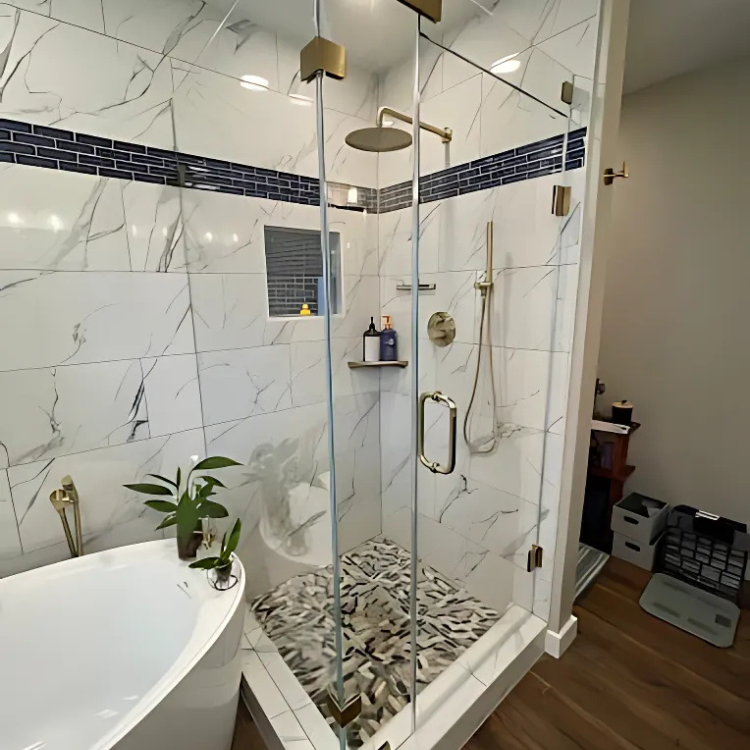
Have you ever stepped into a bathroom and instantly felt like the entire space was brighter, bigger, and more luxurious—without quite knowing why? In many Austin homes, that “wow” factor comes from a frameless shower door. These sleek glass enclosures don’t just replace a shower curtain; they completely transform how a bathroom looks, feels, and functions. If you’re planning a remodel or building a new home in Austin, TX, understanding frameless shower doors is one of the smartest upgrades you can research.
This ultimate guide is designed to walk you through everything you need to know before you make a decision: what frameless shower doors actually are, how they differ from framed options, what styles and hardware you can choose, how they’re installed, and what it takes to maintain them in our Central Texas climate. Along the way, we’ll talk specifically about how Shower Doors of Austin helps homeowners take a simple concept—clear glass around a shower—and turn it into a custom feature that fits the architecture and lifestyle of Austin residents.
Instead of sifting through scattered opinions and conflicting advice, you’ll find practical, experience-based information here. By the time you finish reading, you should feel confident talking about glass thickness, hinges, layout, and price ranges, and you’ll know which questions to ask when you’re ready to bring in a professional. Think of this as your roadmap from “I kind of want a nicer shower” to “I know exactly what kind of frameless shower door belongs in my bathroom.”
What Frameless Really Means
Many people hear “frameless shower door” and picture something fragile or minimal to the point of being flimsy. In reality, frameless doors are often sturdier than their framed counterparts. The term “frameless” simply means the glass panels are not surrounded by a full metal frame. Instead, the door and fixed panels are made from thick, tempered glass that is attached using discreet hardware like hinges, clips, and channels. The glass itself becomes the structure, which is why quality and precise installation are so important.
Tempered glass is a safety glass designed to be four to five times stronger than regular glass. If it ever does break, it crumbles into small, blunt pieces rather than dangerous shards. For frameless showers, common thicknesses are 3/8-inch and 1/2-inch. Shower Doors of Austin typically recommends thicker glass for larger spans or doors with heavy use, because the added rigidity feels solid and upscale when you open and close the door. This thickness is part of what gives frameless showers that high-end, spa-like presence.
It’s also important to understand that “frameless” doesn’t mean “no metal at all.” You’ll still have hinges, handles, clips, and sometimes a low-profile channel along the bottom or sides. The difference is that the hardware is minimal and decorative instead of a bulky frame around every edge. This design allows more light to flow through your bathroom and lets your tile, stone, or other finishes become the visual star instead of an aluminum border.
Why Austin Homeowners Love Them
Austin homes range from mid-century ranches in established neighborhoods to cutting-edge contemporary builds in new communities. Frameless shower doors work beautifully across this spectrum because they adapt to the design rather than dictating it. In a smaller Central Austin bungalow, removing a heavy framed enclosure can instantly make the bathroom feel wider and more open. In a modern home with high ceilings and large windows, a frameless enclosure keeps sightlines clean and uninterrupted, enhancing architectural lines instead of competing with them.
Another big reason homeowners in Austin, TX gravitate toward frameless shower doors is resale value. Bathrooms sell houses, and buyers today are tuned in to details like glass thickness, hardware style, and how custom the enclosure looks. A thoughtfully designed frameless shower from a specialist like Shower Doors of Austin sends a subtle message: this home has been upgraded with care, not just with off-the-shelf materials. That can help your listing photos stand out and may support a stronger asking price when it’s time to move.
Climate also plays a role. Austin’s heat and humidity, especially in the summer, can make fabric shower curtains feel damp and musty. Vinyl liners discolor quickly and can harbor mold in folds and seams. Frameless glass is non-porous and easy to wipe down, which makes it a more hygienic long-term solution. When paired with good ventilation, a frameless door can help keep your bathroom fresher and reduce some of the maintenance headaches that come with other enclosure types.
Design Options And Layouts
One of the biggest advantages of working with a local specialist is the flexibility in design. Frameless shower doors are not one-size-fits-all; they are typically built to fit your specific opening and layout. The simplest configuration is a single swinging door attached to a wall, but from there the options expand dramatically. You can combine fixed panels with a door for a larger walk-in, create a corner enclosure, or design a multi-panel surround for an alcove or oversized shower.
For many Austin bathrooms, a popular layout is the corner shower with a fixed panel and a pivot door. This works well in master baths where space must be shared with a vanity and a freestanding tub. Another trend is the walk-in “doorless” style, where one or two large fixed panels create a splash zone without any moving parts. While technically not a door, this still falls under the frameless enclosure category and can be customized to fit existing plumbing locations and floor slopes.
Within each layout, you can choose from various door types. Swinging (hinged) doors are the classic choice, opening out into the bathroom or, in some cases, both in and out. Sliding doors, sometimes called bypass doors, work well for tighter spaces where a swinging door might hit a vanity or toilet. There are also barn-door style sliders with exposed tracks that add a modern, industrial touch. Shower Doors of Austin can help you visualize how each option will function in your specific space, taking into account clearances, code requirements, and daily usability.
Glass, Hardware, And Style Choices
Once you’ve settled on a layout, the next step is choosing the glass itself. Clear glass is by far the most popular in Austin because it makes bathrooms feel larger and showcases tile work. If you’ve invested in a beautiful niche, accent strip, or stone slab, clear glass ensures those details remain visible. For those who prefer a bit more privacy, frosted, patterned, or rain glass are attractive alternatives. These textured options diffuse light while softening direct views, making them ideal for shared bathrooms or guest suites.
Glass can also receive protective coatings that help resist water spots and soap scum. In an area with mineral-heavy water, like many parts of Austin, this can be a worthwhile upgrade. These coatings create a smoother surface on a microscopic level, making it harder for minerals and grime to cling. While they don’t eliminate cleaning altogether, they do make routine maintenance significantly easier and keep the glass looking clearer over time.
Hardware is where you can really tailor the look to your home’s personality. Hinges, handles, and support bars come in finishes such as chrome, brushed nickel, oil-rubbed bronze, matte black, and more. If your bathroom already has black cabinet pulls and a black faucet, for example, matching with black shower hardware creates a cohesive, designer-level finish. For a softer, more traditional feel, brushed nickel or brass may be the better fit. Shower Doors of Austin often helps clients coordinate shower hardware with existing fixtures so the whole room feels intentionally designed rather than pieced together.
Installation And Structural Considerations
Frameless shower doors demand precise measurement and thoughtful planning. Unlike framed units that can sometimes “cheat” minor imperfections in walls or tile, frameless glass is far less forgiving. Walls that are out of plumb, curbs that are not level, or tile that varies in thickness can create challenges. This is why involving a professional like Shower Doors of Austin early in a remodel project is wise. They can coordinate with your contractor or tile installer to ensure the shower opening is properly prepared for glass.
One critical aspect is the support structure behind the tile. Heavy glass needs solid anchoring points for hinges and clips. Ideally, blocking (extra wood framing) is added between studs in the walls where the hardware will be mounted. If your bathroom is still in the planning stages, this is easy to incorporate. If the tile is already in place, an experienced installer will look for ways to locate studs and distribute weight safely without compromising the waterproofing system.
Drainage and water control are also crucial. Frameless doors typically rely on precise gaps, sweeps, and seals rather than bulky frames to keep water inside the shower area. The shower floor needs a correct slope toward the drain, and the curb (if present) must be pitched slightly inward. A skilled installer will also discuss door swing and placement to minimize water escaping when you open the door. When all these elements work together, you get a clean, minimal look that’s just as functional as it is attractive.
Cleaning, Care, And Longevity
One of the most common concerns homeowners have is whether frameless glass will be a hassle to maintain. The reality is that frameless shower doors are straightforward to care for if you adopt a simple routine. Using a squeegee after each use to remove water droplets is the single best habit you can develop. This prevents minerals in the water from drying on the glass and forming spots or film. In Austin’s hard-water areas, this step can significantly extend the time between deep cleanings.
For regular cleaning, a mild, non-abrasive glass cleaner or a mixture of vinegar and water usually does the job. Harsh chemicals, abrasive pads, or scouring powders should be avoided, as they can damage protective coatings or scratch hardware finishes. Silicone seals and sweeps at the bottom of the door should be inspected occasionally; if they become worn or brittle, they’re generally easy and inexpensive to replace. Shower Doors of Austin can advise on the right cleaning products and replacement schedules for your specific setup.
When properly installed and maintained, frameless shower doors can last for many years without needing major repairs. Hinges and moving parts are engineered for frequent use, and high-quality tempered glass is extremely durable. Over time, you may choose to refresh the look by changing hardware finishes or updating surrounding tile, but the glass enclosure itself is often one of the most enduring elements in a bathroom remodel. This longevity makes the investment more cost-effective when viewed over the life of the home.
Working With A Local Specialist
While big-box stores sell generic glass enclosures, frameless shower doors are a product where local expertise makes a noticeable difference. Austin homes are full of quirks: slightly out-of-square walls in older houses, creative layouts in modern builds, and a wide range of tile and stone materials. A company like Shower Doors of Austin focuses specifically on custom glass, which means they’re used to solving the real-world challenges that show up once walls are opened and tile is laid.
The process typically starts with a consultation and measurement visit. During this time, the installer evaluates your shower opening, discusses your design goals, and helps you choose glass thickness, hardware style, and layout. They’ll look for potential issues—like insufficient blocking or problematic slopes—before the glass is ordered, which helps avoid costly surprises later. Because each panel is custom-fabricated, accuracy at this stage is essential.
Once measurements are taken and choices are finalized, the glass is fabricated to fit your space. Installation day usually goes quickly, with most projects completed in a few hours, depending on complexity. After the enclosure is set, the installer will review how to operate and care for the door, pointing out any seals or sweeps and answering questions. This hands-on, local approach gives Austin homeowners peace of mind that their frameless shower door was designed and installed specifically for the way they live and the home they’re in.
Frequently Asked Questions
Are frameless shower doors safe and strong enough for daily use? Yes. Frameless shower doors use thick, tempered safety glass designed for everyday use. Tempered glass is significantly stronger than standard glass and is engineered to handle the stress of opening and closing, as well as minor impacts. If it ever breaks, it shatters into small, granular pieces rather than sharp shards, reducing the risk of serious injury. When installed by professionals like Shower Doors of Austin with proper hardware and support, a frameless door feels solid and secure in daily use.
Do frameless shower doors leak more than framed ones? When properly designed and installed, frameless shower doors are very effective at containing water. They use a combination of precise gaps, clear seals, and bottom sweeps to direct water back into the shower. The key is planning: the shower floor must slope correctly, and the door placement should minimize direct spray on gaps. A reputable installer in Austin, TX will evaluate your showerhead location, curb design, and door swing to reduce the risk of leaks. In most cases, any minor splashing is similar to what you’d see with a framed enclosure.
How much do frameless shower doors typically cost? Costs vary based on size, glass thickness, hardware finish, and complexity of the design. A simple, single-door installation will be on the lower end, while large, multi-panel enclosures or specialty glass and hardware will be higher. Custom work from a company like Shower Doors of Austin often costs more than an off-the-shelf unit, but you’re paying for exact fit, higher-quality materials, and professional installation. Over time, this can actually save money by reducing the likelihood of leaks, failed seals, or the need for early replacement.
What is the difference between 3/8-inch and 1/2-inch glass? Both thicknesses use tempered safety glass, but 1/2-inch glass is heavier and more rigid. Many homeowners describe 1/2-inch doors as feeling extra substantial and luxurious when they swing the door. However, 3/8-inch glass is still very strong and is commonly used in residential frameless showers. The best choice depends on the size of the enclosure, the span of the panels, and your budget. Shower Doors of Austin can recommend the appropriate thickness based on your specific layout and design goals.
Can I coordinate my frameless shower door with other glass in my home? Absolutely. Many Austin homeowners like to create a cohesive look by matching finishes and styles across different glass features, such as mirrors, shower enclosures, and even specialty items like Cabinet Glass. By working with a glass specialist, you can select hardware finishes, glass types, and design details that tie your bathroom together and complement nearby spaces. This intentional coordination can make your entire home feel more unified and professionally designed.