
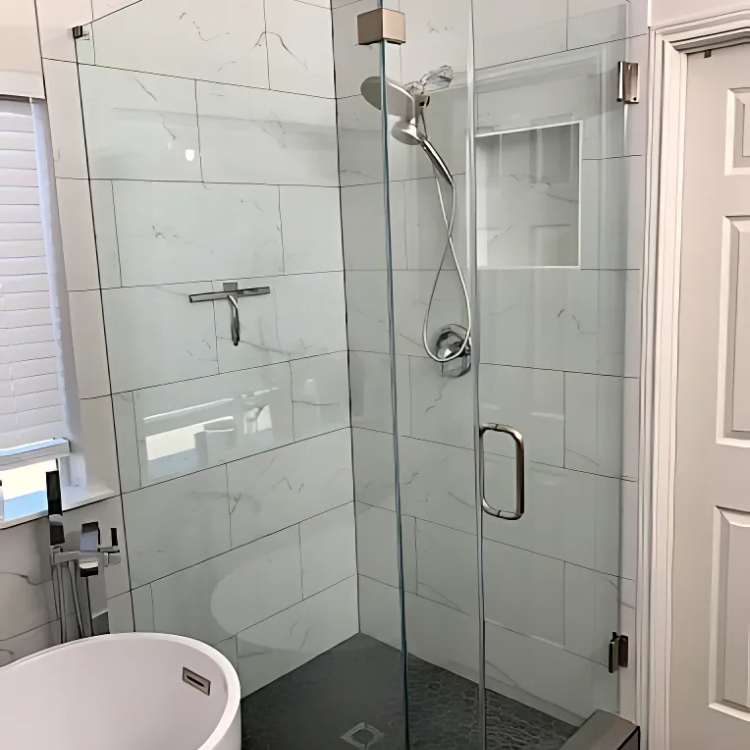
Most homeowners assume sliding shower doors are only a compromise for tiny bathrooms or dated apartments, something you pick when you cannot fit a swinging door. That assumption quietly limits what’s possible in a bathroom remodel. In reality, modern sliding systems are engineered as deliberate space-saving tools that can transform how a bathroom feels and functions, especially in compact or awkward layouts common in many Austin, TX homes. Instead of being a last resort, sliding doors can be the strategic centerpiece of a smart design.
Another thing people often get wrong is thinking all sliding shower doors are the same: two panels, one track, and you’re done. The truth is far more interesting. Today’s sliding doors range from ultra-minimal frameless glass that almost disappears, to sturdy semi-frameless systems that balance budget and aesthetics, to bypass designs that maximize access in narrow rooms. Each configuration saves space in a slightly different way, and when you work with a specialist like Shower Doors of Austin, those differences are used to solve real layout challenges, not just to fill a hole in the tile.
Understanding how sliding shower doors actually save space requires looking beyond the door itself. It means thinking about clearances around toilets and vanities, how people move through the room, where water splashes, and even how easy it is to clean the glass. When all of these factors are considered together, sliding shower doors become less of a stylistic choice and more of a functional solution that can make a modest Austin bathroom feel open, efficient, and surprisingly luxurious.
Why Sliding Doors Save Space
The most obvious space-saving advantage of a sliding shower door is that it does not swing into the room. A hinged door needs a clear arc, often 24 to 30 inches or more, where nothing can be placed permanently. That swing zone eats into practical space where a hamper, freestanding shelf, or even just comfortable walking room could be. Sliding doors move along a track, staying within the footprint of the shower, which immediately frees up those valuable inches in a compact bathroom.
In many Austin homes, especially older bungalows and early-2000s builds, bathrooms were designed with minimal square footage and tight plumbing layouts. You might have a toilet positioned only a foot or two from the shower curb, or a vanity that crowds the entrance to the shower. A swinging door in these situations is not just inconvenient; it can be impossible to operate safely. Sliding shower doors remove that conflict point entirely, allowing the door to open without hitting fixtures, knees, or cabinetry.
Space savings also come from how sliding doors interact with the rest of the room visually. Because the panels stay aligned with the shower opening, they maintain a clean, linear profile instead of projecting into the space. This makes the room feel less cluttered and more organized, even if the actual square footage is unchanged. When paired with clear glass and minimal hardware, a sliding door can make a narrow bathroom feel longer and more open, which is particularly valuable in urban Austin condos and townhomes where every inch counts.
Another subtle but important benefit is circulation. In a small bathroom, several people may need to use the space in quick succession in the morning or evening. A swinging door can block circulation paths and force others to wait until the shower is fully closed. A sliding door keeps walkways more open, making it easier to move past the shower, access storage, or help a child without constantly dodging a moving door panel.
Types of Sliding Shower Systems
Not all sliding shower doors work the same way, and understanding the main types helps you choose the best fit for your layout. One popular option is the bypass sliding system, where two panels overlap and can slide past each other. This design allows access from either side of the opening, which is especially useful if your shower spans a full alcove between three walls. In a narrow bathroom where the toilet or vanity may be closer to one side, being able to choose which panel opens can make daily use much more comfortable.
Another common style is the single-sliding door with a fixed panel. In this configuration, one piece of glass is stationary, and the other glides behind or in front of it. This setup is ideal for corner showers or situations where plumbing fixtures dictate that you always enter from the same side. For example, in many Austin master baths, the showerhead and controls are placed on one end, and the opening is at the other. A single-slider keeps the opening exactly where you want it while preserving a clean, uninterrupted look on the fixed side.
There are also barn-door style sliders, where the panel hangs from a top rail and glides smoothly along exposed rollers. This design mixes industrial and contemporary aesthetics and is frequently chosen by Austin homeowners who want a modern, loft-like feel. While the look is distinctive, it still functions as a space-saving solution because the door tracks parallel to the wall, not into the room. These systems often use thicker glass and robust hardware, giving a sense of quality and permanence.
Finally, within each of these categories you can choose between framed, semi-frameless, and frameless constructions. Fully framed sliders use metal around all edges of the glass and are generally the most budget-friendly. Semi-frameless designs reduce the visible metal, usually framing only the perimeter and leaving the door edges exposed. Frameless sliders, a specialty for companies like Shower Doors of Austin, use heavy, tempered glass with minimal hardware, offering the most open and luxurious appearance. All three approaches can save space; the difference lies in aesthetics, budget, and how prominently you want the door to feature in the overall bathroom design.
Design Strategies For Small Austin Bathrooms
In a compact Austin bathroom, saving space is about more than the door; it is about orchestrating how every element works together. The first design strategy is to align the sliding door choice with the room’s traffic patterns. Think about where you stand when you dry off, where you hang your towels, and how you enter and exit the room. A well-placed sliding entrance can prevent bottlenecks at the doorway and provide a clear path from the shower to the vanity or linen closet.
Another key tactic is pairing sliding doors with clear, low-iron glass. Standard clear glass has a slight green tint that can visually darken a small room. Low-iron glass is more transparent and neutral, allowing tile colors and natural light to show accurately. In a tight space, this clarity makes the shower feel like part of the room rather than a separate, enclosed box. When the sliding door is fully closed, you still perceive the full depth of the space, which helps a small Austin bathroom appear larger than it actually is.
Hardware selection also plays a big role in maximizing perceived space. Sleek, linear handles and minimal rollers or brackets keep visual noise to a minimum. Polished chrome, brushed nickel, or matte black finishes can be chosen to match existing faucets and fixtures, creating a cohesive look. When everything feels intentional and coordinated, the bathroom feels calmer and more spacious, even if the dimensions are modest. Shower Doors of Austin often helps homeowners select hardware that not only fits their style but also contributes to the sense of openness.
Tile layout and color should not be overlooked. Vertical tile patterns or larger-format tiles can elongate the walls and draw the eye upward, which pairs beautifully with a frameless or semi-frameless sliding door system. Light, reflective surfaces bounce daylight around the room, making it feel bright and airy. In an Austin home where natural light might come from a small window or solar tube, these choices amplify every bit of brightness available, while the sliding door keeps the view into the shower unobstructed.
Function, Safety, And Everyday Use
Space-saving solutions must also be practical and safe. Sliding shower doors are particularly helpful in bathrooms used by children, older adults, or anyone with limited mobility. Because they do not require a wide arc to open, it is easier to approach the shower with a walker or to assist someone without squeezing around a swinging panel. Some sliding systems are compatible with low-profile or zero-threshold entries, reducing tripping hazards and making the shower more accessible over the long term.
From a safety standpoint, modern sliding doors use tempered safety glass, which is designed to crumble into small, less harmful pieces if it ever breaks. The tracks and rollers are engineered to support the weight of the glass smoothly, preventing sudden jerks or sticking that could cause someone to lose balance. Professional installation by a local company like Shower Doors of Austin ensures the panels are properly aligned and securely anchored, which is especially important in older Austin homes where walls may not be perfectly plumb.
Daily usability is another major advantage. With a well-installed sliding system, the door glides with very little effort, making it comfortable to open even with soapy hands or when you are half-asleep in the morning. Because the door remains close to the shower opening at all times, it is easier to control water splashes and keep the rest of the bathroom dry. This is particularly beneficial in small rooms where a wet floor quickly becomes a safety hazard and a cleaning chore.
Maintenance is an area where modern sliding doors have improved significantly. Older designs often relied on deep metal tracks that collected grime and soap scum. Many contemporary systems use low-profile, easy-to-clean tracks or top-hung designs where the bottom guide is minimal. With proper sealing and occasional cleaning, you can keep the door operating smoothly and the glass looking clear, maintaining both the space-saving advantages and the visual appeal for years to come.
Frameless Sliders And Visual Openness
For homeowners in Austin who want the most open, high-end look while still saving space, frameless sliding shower doors are a compelling option. These systems use thicker glass panels without bulky metal frames around the edges, relying instead on discreet clamps, rollers, and guides. By eliminating visual borders, the shower envelope becomes almost invisible, making the bathroom feel larger and more continuous.
This visual openness is especially powerful when combined with attractive tile work or stone inside the shower. Instead of hiding your investment behind a curtain or heavy metal frames, a frameless slider showcases the materials as a design feature. The eye travels uninterrupted from wall to wall, which can make even a 5-foot alcove shower feel more expansive. In many Austin remodels, homeowners choose frameless sliders specifically to highlight custom tile, niches, or accent bands that would otherwise be obscured.
From a practical standpoint, frameless systems also reduce places where mold and mildew can hide. With fewer metal channels and seals, there are fewer crevices that trap water and soap residue. This can make cleaning easier and help maintain a fresh, bright appearance over time. Shower Doors of Austin often recommends frameless sliders to clients who want both a low-maintenance and visually light solution that still delivers the core benefit of saving floor space.
Of course, frameless sliders do require precise measurement and professional installation. The glass is heavier, and tolerances are tighter, especially in older homes where walls and floors may be slightly out of square. Working with a local specialist familiar with Austin construction quirks ensures that the system operates smoothly and seals correctly, so you get the full aesthetic and functional benefits without leaks or alignment issues.
Planning With A Local Specialist
Choosing the right sliding shower door is not just about picking a style from a catalog; it is about tailoring a solution to your specific bathroom. A local expert like Shower Doors of Austin brings knowledge of common floor plans, builder patterns, and renovation challenges specific to the Austin, TX area. They can quickly spot potential issues, such as insufficient stud support for heavy glass or tight clearances near existing fixtures, and propose solutions that still keep your space-saving goals intact.
During the planning phase, it is important to consider how the shower door interacts with ventilation, lighting, and storage. For example, a clear frameless slider may allow more light to reach a corner shower, reducing the need for extra fixtures. At the same time, you might adjust the position of towel bars or niches so they remain accessible when the sliding panel is open. These details matter in a small bathroom, where every design decision has a ripple effect on comfort and functionality.
Budget is another factor where working with a specialist pays off. Sliding doors come in a range of price points, and it is not always obvious where spending more will have the biggest impact. A professional can help you decide whether to prioritize thicker glass, upgraded hardware, or a frameless design based on how long you plan to stay in the home and how intensively the bathroom will be used. In many Austin remodels, investing in a quality sliding system has proven to be a smart way to add perceived square footage and value without moving walls.
Finally, local installers are familiar with building codes and practical considerations such as water containment and structural support. They can ensure your sliding door not only looks great and saves space but also meets safety expectations and performs reliably over time. When combined with a custom glass solution or a full range of Shower Enclosures, a well-chosen sliding door can anchor a bathroom design that feels both efficient and upscale, perfectly suited to the way people live in Austin today.
Frequently Asked Questions
Do sliding shower doors really save that much space? Yes, sliding shower doors can significantly change how usable your bathroom feels, especially in smaller layouts. By eliminating the door swing area, you free up several square feet that can be used for circulation, storage, or simply more comfortable movement. In many Austin bathrooms where toilets and vanities sit close to the shower, a sliding system is often the only practical way to avoid collisions and tight squeezes. Even in larger rooms, the lack of a swinging panel keeps the space visually clean and more flexible.
Are sliding doors harder to clean than hinged doors? Modern sliding doors are much easier to clean than older models, thanks to improved track designs and hardware. Many systems use low-profile or partially open tracks that reduce the buildup of soap scum and grime. Frameless or semi-frameless sliders also have fewer metal channels and seals, which means fewer crevices where mold can form. Regular squeegeeing and occasional deep cleaning of the track are usually enough to keep them in good condition. Working with an installer like Shower Doors of Austin lets you choose a system that balances your cleaning preferences with your design goals.
Can I install a frameless sliding door in an older Austin home? In most cases, yes, but it requires careful planning and professional installation. Older homes may have walls that are not perfectly straight or studs that are not ideally placed for supporting heavy glass. A local specialist can assess the structure, recommend any necessary reinforcement, and custom-measure the glass to fit the actual conditions. This attention to detail ensures the frameless slider operates smoothly, seals properly, and remains safe over the long term, even in homes that were not originally designed with heavy glass in mind.
Do sliding shower doors leak more than hinged doors? A properly designed and installed sliding shower door should contain water just as effectively as a hinged door. The key is using appropriate seals, guides, and overlaps at the edges where water might escape. For example, bypass sliders often have interlocking panels and bottom guides that direct water back into the shower. In Austin, where water hardness and pressure can vary, an experienced installer will account for spray patterns and showerhead placement to minimize splash-out. If you notice leaking, it is usually a sign of poor installation or a low-quality product rather than a flaw in the sliding concept itself.
How do I choose between framed, semi-frameless, and frameless sliders? The choice depends on your budget, style preferences, and how open you want the bathroom to feel. Framed sliders are typically more economical and can be a good fit for secondary baths or rental properties. Semi-frameless systems reduce visible metal and offer a sleeker appearance without the full cost of frameless. Frameless sliders provide the most open, modern look and best showcase tile work, making them popular in master baths and high-end remodels. A company like Shower Doors of Austin can walk you through samples and photos, helping you match the right level of framing to your specific space and investment plan.