
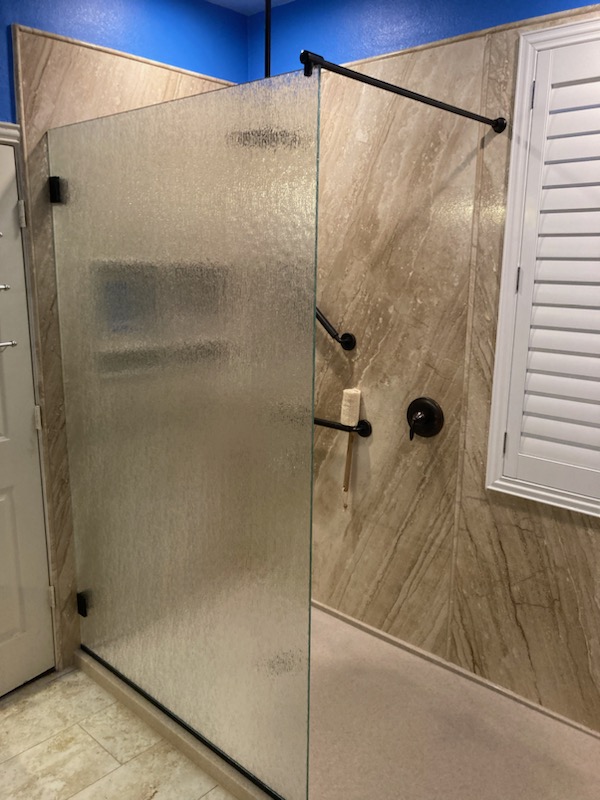
The first time you notice that hazy film creeping across your once-crystal-clear shower glass, it usually isn’t dramatic. Maybe the water spots don’t bother you at first, or the faint streaks seem easy enough to ignore. But a few weeks later, the doors in your beautiful Austin bathroom suddenly look tired, cloudy, and older than the rest of the space. That is the moment many homeowners realize that glass shower doors don’t just stay pristine on their own—how you maintain them day to day determines whether they stay a showpiece or gradually turn into an eyesore.
Best practices for maintaining glass shower doors are not about scrubbing harder or using stronger chemicals. In fact, the opposite is often true. The key is understanding what actually causes buildup and damage, and then putting simple, consistent habits in place. Whether you live in a downtown Austin condo with high-rise views or a Hill Country home with well water, a few thoughtful routines can dramatically extend the clarity, safety, and lifespan of your glass. Companies like Shower Doors of Austin install beautiful custom glass; what you do afterward is what keeps that investment looking like it did on day one.
Instead of waiting for stains and corrosion to appear, you can create a maintenance plan that fits your lifestyle. It doesn’t have to be complicated or time-consuming. A mix of daily, weekly, and occasional tasks—done the right way with the right products—will protect the glass, the hardware, and even the caulking and seals around your shower. The result is not only a cleaner-looking bathroom, but also fewer expensive repairs, less risk of leaks, and a shower that feels more like a spa than a chore.
Know What Damages Glass
To maintain glass well, it helps to understand what you are actually fighting against. The biggest enemies of clear shower glass in Austin, TX are hard water, soap scum, and mineral deposits. Central Texas is known for its hard water, which is full of calcium and magnesium. When that water dries on glass, it leaves behind stubborn white spots and a rough texture that can etch the surface over time. If you let these minerals sit for weeks or months, they can bond with the glass at a microscopic level, making cleaning more difficult and sometimes impossible without professional help.
Soap scum is another major culprit. It forms when soap and body oils mix with minerals in water, creating a cloudy, sticky film that clings to glass and metal. Many common bar soaps, especially those with added moisturizers, leave heavier residue. Over time, this layer can trap more dirt and minerals, leading to that dull, grayish appearance that never seems to rinse away. Switching to liquid body wash can reduce the amount of scum that forms, but you still need a routine to break it down before it hardens.
Finally, you have environmental factors that are especially relevant in Austin homes. Humidity levels, especially during hot summers, can keep shower areas damp for longer, giving mold and mildew more time to grow in corners, frames, and seals. While mold doesn’t typically grow on the glass itself, it thrives in the silicone and grout nearby and can discolor the edges of your doors. Understanding that moisture, minerals, and residue are constantly working against your shower helps you see why regular, gentle maintenance is so effective.
Daily Habits That Make The Difference
The most powerful maintenance tools for glass shower doors are surprisingly simple: a squeegee, a soft cloth, and a few extra seconds after every shower. When you pull a squeegee down the glass from top to bottom right after you turn off the water, you remove most of the droplets that would otherwise dry into spots. It takes less than a minute and dramatically cuts down on mineral buildup and streaks. For many homeowners in Austin, this single habit is the difference between deep cleaning once a month and constantly battling cloudy glass.
If you don’t like using a squeegee, a microfiber cloth works almost as well. Keep one hanging on a hook near the shower and do a quick wipe-down of the interior glass and the metal hardware. Microfiber is gentle, absorbent, and won’t scratch the surface. The goal isn’t perfection; it’s simply to remove most of the water before it dries. Over time, this daily step keeps the glass clearer, so your weekly cleanings stay easy and fast.
Good ventilation is another daily best practice. Turn on your bathroom exhaust fan during and after your shower for at least 15–20 minutes to help remove steam and reduce condensation. If you have a window, cracking it open can also help. Less lingering moisture means less mold and mildew in the tracks, frames, and seals around your glass. That not only keeps your shower healthier but also protects the caulking and finishes that support the doors installed by Shower Doors of Austin.
Weekly Cleaning Done The Right Way
Daily habits slow down buildup, but weekly cleaning is where you reset the glass to its best condition. The key is to avoid harsh cleaners that can damage both the glass and the metal hardware. Skip anything with abrasive powders, rough scrub pads, or strong acids like vinegar used at full strength on certain metal finishes. Instead, use a mild glass cleaner or a homemade solution of water and a small amount of gentle dish soap. Spray it on, let it sit for a minute, and then wipe with a soft microfiber cloth.
For stubborn spots or early-stage mineral buildup, you can use a 50/50 mix of white vinegar and water, as long as your shower hardware is compatible with it. Spray the solution on the glass, let it rest for 5–10 minutes, and then wipe clean. Rinse with plain water afterward to remove any remaining vinegar. Always test any cleaner on a small, inconspicuous area first, especially if you have specialty finishes on your hinges, handles, or frames. The last thing you want is to discolor beautiful hardware that matches the rest of your Austin bathroom.
Don’t forget to clean the edges, tracks, and seals while you’re at it. Run a soft toothbrush or a small detailing brush along the bottom track (if you have one) and around the hinges to remove soap residue and grime. Wipe down the rubber or vinyl sweeps at the bottom of the door. This attention to detail not only keeps the glass area looking sharp but also helps your door open and close smoothly, reducing strain on the hardware and extending the life of the entire system.
Protective Coatings And Long-Term Care
Many modern glass shower doors, including those installed by Shower Doors of Austin, can be treated with protective coatings that make maintenance easier. These coatings act like a clear shield, helping water bead up and roll off instead of clinging and drying on the surface. If your glass has such a treatment, you’ll often notice that it stays clearer with less effort. However, coatings are not magic; they still require regular cleaning, but they can significantly reduce how often you need to tackle tough mineral stains.
Over time, protective coatings can wear down, especially if harsh cleaners or abrasive tools are used. That’s why best practices include using only non-abrasive products recommended by the glass provider. In some cases, you can reapply a consumer-grade water-repellent product to restore some of that beading effect. Always follow the manufacturer’s instructions and avoid applying anything that could interact negatively with existing treatments or void warranties.
Long-term care also includes regular inspections. Every few months, take a closer look at the edges of your glass, the hardware, and the seals. Check for signs of corrosion on metal parts, cracking or gaps in silicone caulking, or loose screws and hinges. Addressing these small issues early helps avoid bigger problems like leaks, misaligned doors, or even glass stress. If you see anything concerning, contacting a local specialist like Shower Doors of Austin is often the safest way to evaluate and correct the problem before it escalates.
Safe Products And Common Mistakes
Choosing safe products is one of the most important best practices for maintaining glass shower doors. A gentle, ammonia-free glass cleaner, a diluted white vinegar solution, mild dish soap, and plenty of water are usually all you need. Pair these with soft microfiber cloths, non-scratch sponges, and plastic squeegees. These combinations clean effectively without scuffing the glass or stripping finishes from metal parts. For Austin homeowners dealing with particularly hard water, using a water softener for the whole home can also significantly reduce the intensity of mineral buildup.
On the other hand, there are some products and habits that almost always cause trouble. Abrasive powders, steel wool, and rough scrub pads can create fine scratches that trap dirt and make the glass look worse over time. Highly acidic cleaners or bleach-based products can damage metal finishes, discolor silicone, and compromise the protective coatings on the glass. Even paper towels can sometimes leave lint and minor streaks, making microfiber a better choice for a streak-free finish.
Another common mistake is waiting too long between cleanings. Once mineral deposits and soap scum have had months to build up, removing them without harming the glass becomes much more difficult. People then reach for stronger chemicals and harsher tools, which can cause more damage. A simple weekly routine is far more effective than a once-in-a-while deep scrub. In a climate like Austin’s, where showers are used frequently and hard water is common, consistency is your best friend.
When To Call A Professional
Even with excellent maintenance habits, there are times when calling a professional makes sense. If your glass has severe etching, permanent white streaks, or cloudy patches that don’t respond to normal cleaning, a specialist may be able to assess whether restoration is possible. In some cases, the glass surface has been permanently damaged by years of mineral buildup or abrasive scrubbing, and replacement is the only solution. A company like Shower Doors of Austin can evaluate the condition of your doors and recommend the most cost-effective path forward.
Professional help is also important if your shower door no longer operates smoothly. If the door drags, squeaks, or doesn’t close properly, there may be an issue with the hinges, rollers, or alignment. For frameless systems in particular, proper adjustment is critical for safety and to prevent leaks. Trying to force adjustments without the right tools and knowledge can put stress on the glass and hardware. Let a trained technician diagnose and correct the problem before it leads to a more serious failure.
If you’re considering upgrading or customizing your bathroom further, working with a local expert ensures that new glass solutions are designed with long-term maintenance in mind. The same team that installs custom shower doors often works with other specialty glass, such as Custom Wine Rooms, so they understand how to balance aesthetics, durability, and ease of cleaning. That expertise is especially valuable in Austin homes where style and practicality need to go hand in hand.
Frequently Asked Questions
How often should I clean my glass shower doors? For most Austin households, a quick daily wipe-down plus a more thorough weekly cleaning works best. Use a squeegee or microfiber cloth after each shower to remove excess water, then once a week use a mild cleaner to remove any developing soap scum or mineral spots. If your home has very hard water or multiple daily showers, you may find that a twice-weekly cleaning keeps the glass looking its best.
Can I use vinegar on my shower glass? Yes, diluted white vinegar can be very effective for removing mineral deposits on glass, but it must be used carefully. Mix it with an equal amount of water, spray it on the glass, let it sit for a few minutes, and then rinse thoroughly. Avoid getting vinegar on delicate metal finishes, natural stone surfaces, or certain sealants, as it can cause damage over time. When in doubt, test a small area first or consult your installer, such as Shower Doors of Austin, about what’s safe for your specific hardware and materials.
Why does my glass look cloudy even after cleaning? If your glass looks cloudy even after a good cleaning, you may be dealing with etching rather than surface residue. Hard water minerals can slowly bond with the glass and create tiny pits that scatter light, giving a permanent cloudy appearance. Harsh scrubbing and abrasive cleaners can make this worse. Once etching occurs, it usually cannot be reversed with standard cleaning and may require professional evaluation or replacement of the glass.
Are protective coatings on glass really worth it? Protective coatings can be very helpful, especially in areas like Austin, TX where hard water is common. They make water bead up and slide off more easily, reducing the amount of residue that sticks to the glass. While they don’t eliminate the need for cleaning, they can reduce how often you have to tackle stubborn buildup. To get the full benefit, you still need to follow best practices: use gentle cleaners, avoid abrasives, and maintain a routine. Over time, the reduced effort and better appearance often justify having these coatings applied.
When should I replace rather than repair my shower doors? Replacement is usually the better option when the glass is heavily etched, cracked, or chipped, or when hardware is severely corroded and no longer functions safely. If you’re seeing recurring leaks, misalignment that can’t be corrected with simple adjustments, or you want to update the style of your bathroom, it may be time to consider a new installation. A local specialist like Shower Doors of Austin can inspect your current doors, explain your options, and help you determine whether repair or replacement will give you the best long-term value.