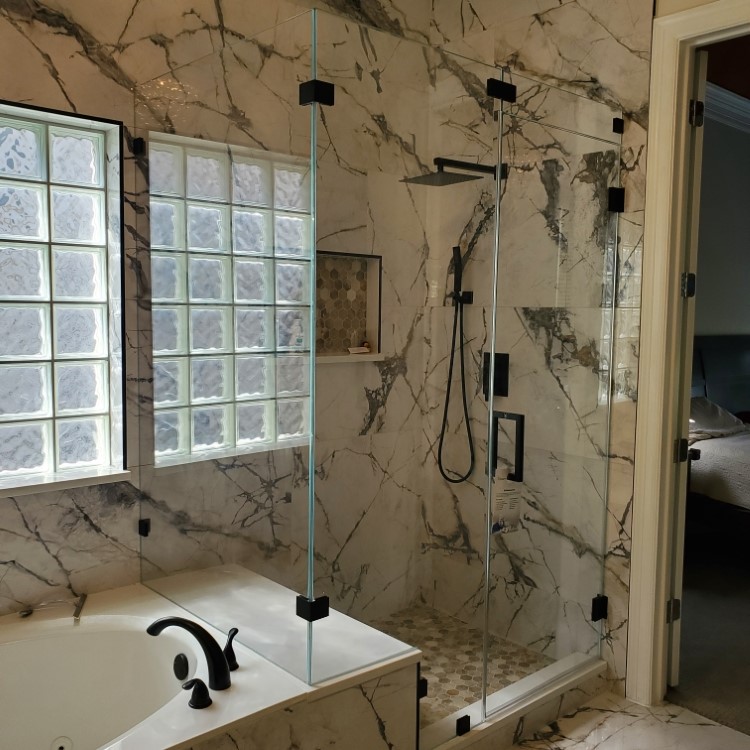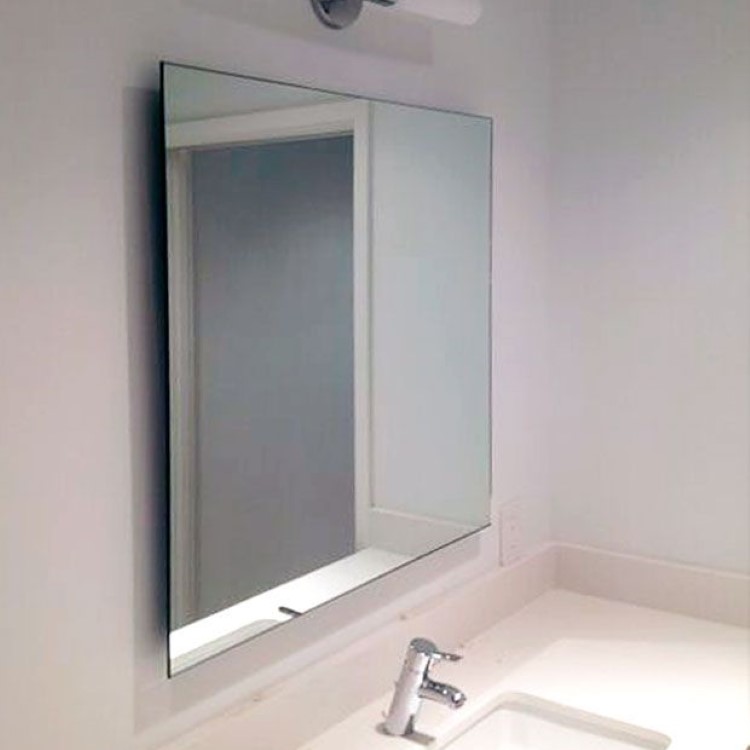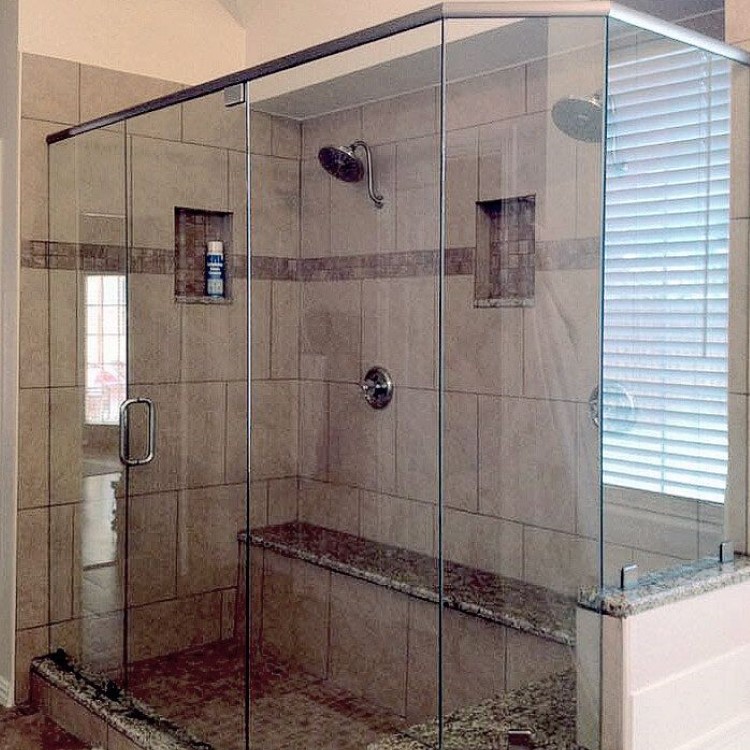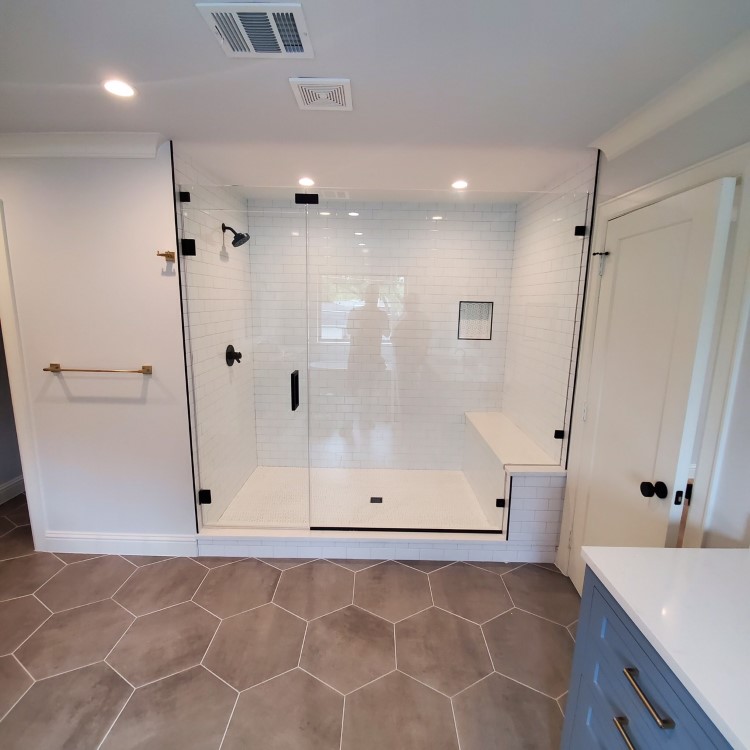
The moment you slide open a shower door and it glides smoothly, closes with a gentle thud instead of a rattle, and stays crystal clear instead of streaked and spotted, you’re experiencing a lot more than good luck. You’re feeling the result of physics, chemistry, engineering, and material science working together in your bathroom. High-quality shower doors don’t just happen; they’re carefully designed systems built to handle water, heat, pressure, and daily use without failing or becoming an eyesore.
In a city like Austin, TX, where hard water, humidity, and rapid temperature swings are part of everyday life, the science behind a shower enclosure matters even more. A cheap door might look fine the first month, but its coatings will fail, the hardware will corrode, and the glass may start to pit or etch. By contrast, the doors installed by specialists like Shower Doors of Austin are engineered to resist those exact problems. Understanding what’s happening behind the scenes helps explain why some shower doors last for decades while others struggle to make it through a single Texas summer.
From the molecular structure of tempered glass to the microscopic properties of water-repellent coatings, every component of a high-quality shower door is the result of deliberate choices. If you’ve ever wondered why one panel feels solid and secure while another wobbles, or why some glass stays clearer over time, the answer lies in the science. Let’s break down what separates a truly premium shower door from a basic pane of glass on hinges.
The Physics Of Tempered Glass
At the heart of any high-quality shower door is the glass itself, and that glass is almost always tempered. Tempered glass is not just “stronger” in a vague sense; it’s engineered using thermal physics to create internal stresses that dramatically increase its performance. The glass is heated to around 1100°F and then rapidly cooled at the surface while the interior cools more slowly. This process locks the outer surfaces into a state of compression, while the inner core is in tension.
Why does that matter? Materials under compression resist cracks far better than those under tension. When you bump a shower door in your Austin home, the impact has to overcome that compressive layer before it can form a crack. That’s why tempered glass is roughly four times stronger than regular annealed glass. If it does break, the internal tension causes it to crumble into small, relatively blunt pellets instead of large, jagged shards. That safety behavior is not accidental; it’s built into the physics of the glass.
Glass thickness is another scientific choice, not just an aesthetic one. Thicker glass, such as 3/8″ or 1/2″, has greater moment of inertia, meaning it resists bending and deflection under load. In practical terms, that means your frameless panel won’t flex as you open and close it, giving you that solid, “luxury hotel” feel. Shower Doors of Austin carefully sizes glass thickness based on span, height, and mounting style, so the physics of load and support are properly balanced for each unique bathroom layout.
Even the edges of the glass are a science project. Raw, sharp edges act as stress concentrators where cracks can start. High-quality doors use precision-polished edges that distribute stress more evenly, reducing the risk of spontaneous breakage. Edge polishing also affects how hardware grips the glass, and a smoother, truer edge allows for more uniform pressure from clamps and hinges, which further extends the life of the panel.
Chemistry Of Clear, Clean Glass
Most homeowners in Austin eventually discover that their shower glass battles a relentless enemy: hard water. Central Texas water is rich in dissolved minerals like calcium and magnesium. When droplets evaporate on the glass, they leave behind mineral deposits that can etch the surface over time. This is where chemistry comes into play. High-quality shower doors often rely on advanced surface treatments that change how water interacts with the glass.
These protective coatings are typically based on hydrophobic or hydrophilic chemistry. Hydrophobic coatings make the surface repel water, causing droplets to bead up and slide off more easily, taking dirt and soap with them. Hydrophilic coatings, by contrast, spread water into a thin, uniform film that drains more evenly and dries with fewer spots. In both cases, the chemistry is designed to reduce the amount of time water sits on the glass, minimizing mineral buildup.
At the molecular level, these coatings form a thin, transparent layer that bonds to the silica in the glass. This layer can be only a few nanometers thick but still dramatically alters surface energy and wetting behavior. When Shower Doors of Austin specifies treated glass, they’re leveraging this chemistry to ensure your door stays clearer with less cleaning effort. Over years of daily showers, that microscopic layer can mean the difference between pristine glass and permanently etched haze.
Cleaning products are also part of the chemistry story. Harsh abrasives and acidic cleaners can strip or damage protective coatings, exposing raw glass to mineral attack. Understanding the chemistry allows professionals to recommend gentle, pH-balanced cleaners that remove residue without degrading the protective layer. This is why following care instructions from a specialist installer isn’t just a suggestion; it’s directly tied to the long-term performance of the coating and the glass itself.
Engineering Of Frameless Systems
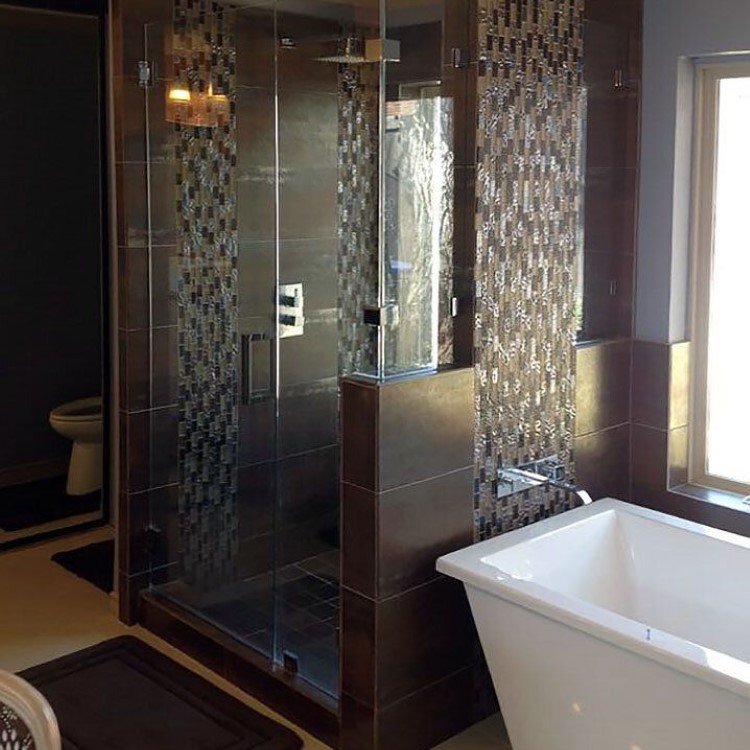
Frameless shower doors are popular in Austin homes for their open, modern look, but visually minimal systems require serious engineering behind the scenes. When you remove bulky metal frames, the glass and hardware must handle all the structural loads. Engineers analyze how the panel will behave under repeated opening and closing, accidental impacts, and the constant pull of gravity. The placement of hinges, the size of clamps, and the spacing of wall anchors are all calculated decisions.
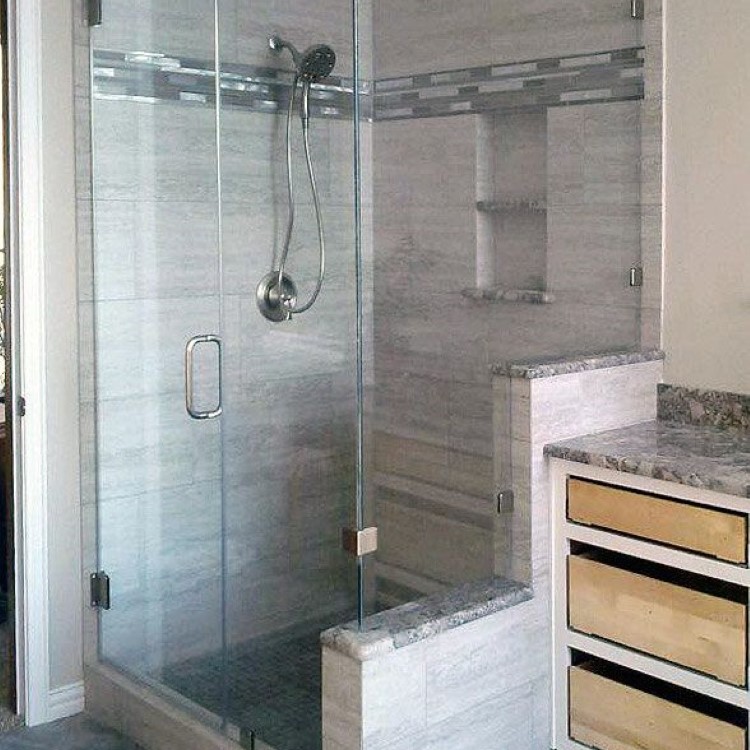
Hinges, for example, act as rotational supports that transfer forces from the moving door to the wall structure. High-quality hinges are machined from solid brass or stainless steel and use precision pins and bushings to maintain alignment over time. The geometry of the hinge determines how the door swings, how much clearance is needed, and how the weight is distributed. Cheap hinges may sag, bind, or loosen, leading to misalignment and stress on the glass. Well-engineered hardware, like that used by Shower Doors of Austin, is designed to keep loads within safe limits for both the glass and the surrounding tile or stone.
The wall substrate itself is part of the engineering equation. Tile, backer board, and framing must be able to accept anchors that will hold the weight of the glass under dynamic loads. A typical frameless door can weigh 80–120 pounds or more, and that weight is concentrated at the hinges. Installers who understand structural principles will verify stud locations, use appropriate anchors, and distribute loads where the wall is strongest. This isn’t just craftsmanship; it’s applied mechanics.
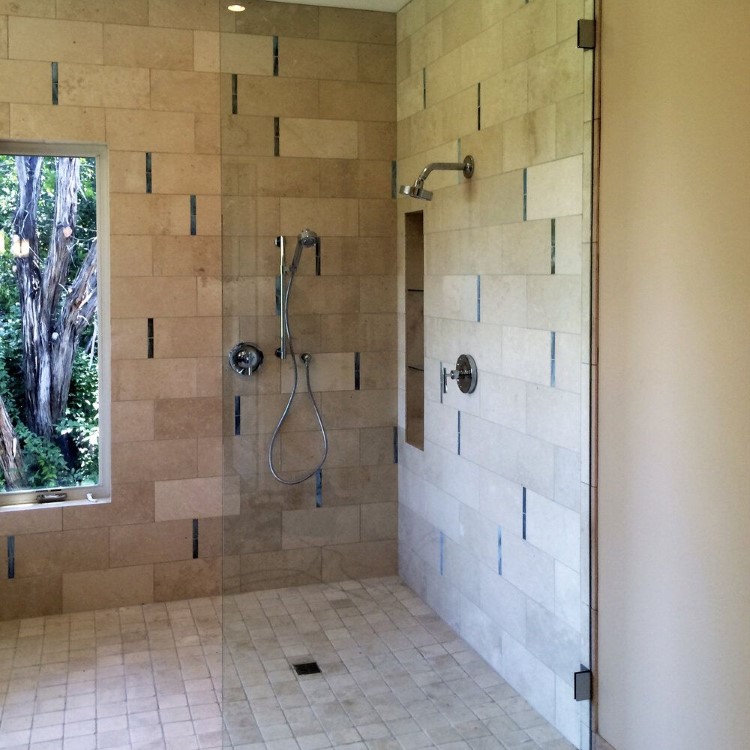
Even the small gaps around the door are engineered. A properly designed frameless enclosure uses strategic clearances and minimal seals to manage splash while preserving the clean look. The angle of the threshold, the position of the door relative to the shower head, and the height of the curb all work together to control water behavior. This is an application of fluid dynamics and practical experience: understanding how water will move, spray, and fall so that it stays where it belongs.
Materials Science Of Hardware And Seals
Glass may get most of the attention, but the long-term performance of a shower door in Austin’s humid environment depends heavily on the materials used for hardware and seals. Corrosion is the main adversary. When metals are exposed to water, oxygen, and mineral content, they can oxidize and weaken over time. High-quality shower doors rely on corrosion-resistant alloys like 304 or 316 stainless steel and solid brass with durable finishes to slow or prevent this process.
Stainless steel’s resistance to corrosion comes from its chromium content, which forms a thin, passive oxide layer on the surface. This layer protects the underlying metal from further reaction. However, not all stainless is created equal. 316 stainless contains molybdenum, which improves resistance to chlorides and harsh environments. In homes where cleaning products or softened water add more chemical complexity, choosing a higher grade alloy can significantly extend hardware life. Shower Doors of Austin selects materials with these factors in mind, so hinges, brackets, and handles don’t pit or discolor prematurely.
Seals and sweeps, usually made from vinyl or polycarbonate, are another area where materials science matters. These components must remain flexible enough to create a water barrier, yet stiff enough to hold their shape under compression and movement. Over time, UV light from bathroom windows, heat from hot showers, and chemical exposure from cleaners can cause cheaper plastics to yellow, harden, or crack. Higher-grade polymers are formulated to resist these aging mechanisms, staying clearer and more pliable for longer.
Adhesion and bonding are equally important. Where hardware is attached to glass with gaskets, the elastomer must maintain friction and cushioning without slipping or degrading. Adhesive-backed seals must maintain their grip even with constant exposure to moisture. When a professional installer specifies certain brands or types of seals, they’re drawing on knowledge of how different polymers, adhesives, and finishes behave over years of real-world use, not just how they look on day one.
Thermal And Moisture Dynamics
Every hot shower is a small environmental experiment. You have rapid temperature changes, steam generation, condensation, and evaporation all happening within a confined space. High-quality shower doors are designed to handle these thermal and moisture dynamics without warping, fogging permanently, or encouraging mold growth. The expansion and contraction of materials under heat is a key consideration. Glass, metal, and plastic all expand at different rates when heated, and if these differences aren’t accounted for, stresses can build up at connection points.
Thermal expansion coefficients describe how much a material will grow with temperature. Glass expands less than many metals, so hinges and clamps must be designed with tolerances that allow slight movement without pinching or overloading the glass. Gaskets and seals act as buffers, accommodating tiny shifts as the shower warms and cools. In Austin, where seasonal swings can be significant, these design allowances help prevent stress cracks and hardware loosening over time.
Moisture behavior is just as important. Enclosures must balance two goals: containing water where it’s supposed to be and allowing the bathroom to dry out afterward. Overly sealed systems can trap moisture, creating ideal conditions for mold and mildew in corners and crevices. Thoughtful designs use targeted seals at the door edge and bottom while allowing enough air movement at the top or along small gaps to promote drying. This interplay between water control and ventilation is grounded in building science and indoor air quality principles.
Glass fogging is another phenomenon tied to humidity and temperature. While temporary fog is normal, permanent haziness is usually the result of mineral etching or damage to coatings. By combining effective ventilation, smart door placement, and protective glass treatments, installers like Shower Doors of Austin reduce the risk that everyday fog will turn into long-term clarity loss. The goal is a system that handles steam, dries efficiently, and looks as clear in year ten as it did on installation day.
Design, Safety, And Local Conditions
Science doesn’t exist in a vacuum; it’s always applied to real-world conditions. In Austin, local building codes, climate, and lifestyle all influence shower door design. Safety glazing requirements dictate that doors and panels must be made from tempered or laminated safety glass. The size and configuration of panels are chosen not just for style, but to meet those safety standards while still fitting within the structural constraints of the bathroom walls and floors.
Local climate shapes design choices too. With Austin’s hard water, mineral-resistant coatings become more valuable. With frequent use in busy households, thicker glass and heavier-duty hinges help ensure the door can withstand daily wear. Installers familiar with the area understand how quickly poor-quality hardware can corrode or how fast untreated glass can cloud, and they adjust their recommendations accordingly.
Ergonomics and user behavior are also part of the equation. The swing direction of the door, the height of handles, and the placement of towel bars all reflect an understanding of how people move in and out of a wet space. A door that opens the wrong way can drip water onto the bathroom floor or force users to reach awkwardly across wet surfaces. Good design anticipates these patterns and uses the physics of movement and water flow to reduce slips and splashes.
For homeowners working with Shower Doors of Austin, this blend of science and local knowledge results in enclosures that feel intuitive to use and easy to maintain. Whether you’re choosing traditional framed units or modern Frameless Shower Doors, the underlying engineering and material science are what make the difference between a door that’s merely acceptable and one that quietly performs for years.
Frequently Asked Questions
Why is tempered glass required for shower doors? Tempered glass is required because it dramatically improves both strength and safety. The thermal tempering process creates a surface in compression and an interior in tension, making the glass about four times stronger than regular annealed glass. If it does break, it crumbles into small, granular pieces rather than sharp shards, reducing the risk of severe injury. In Austin, building codes and best practices both favor tempered glass for shower enclosures to ensure that everyday bumps, thermal changes, and minor impacts don’t result in dangerous breakage.
How do protective coatings help with Austin’s hard water? Protective coatings alter the surface chemistry of the glass so that water doesn’t cling as easily. In an area like Austin with mineral-rich water, untreated droplets leave behind calcium and magnesium deposits when they evaporate, which can permanently etch the glass. Hydrophobic or hydrophilic coatings encourage water to sheet off or bead and roll away, reducing the time it sits on the surface. Over time, this means fewer spots, less scrubbing, and a much lower chance of permanent haze, especially when combined with simple maintenance like squeegeeing after showers.
Is thicker glass always better for a shower door? Thicker glass, such as 3/8″ or 1/2″, does offer greater rigidity and a more solid feel, but “better” depends on the specific installation. Thicker panels are heavier, which places more load on hinges, walls, and anchors. A well-designed system balances glass thickness with panel size, mounting points, and hardware strength. For many Austin homes, 3/8″ tempered glass provides an excellent combination of sturdiness, aesthetics, and manageable weight. Professional installers like Shower Doors of Austin evaluate your layout and support structure to choose the right thickness rather than assuming that more is always best.
What makes frameless shower doors safe without a metal frame? Frameless doors rely on a combination of thicker tempered glass, precisely engineered hardware, and carefully calculated mounting points to remain safe. The glass itself is stronger due to increased thickness and tempering, and the edges are polished to reduce stress concentrations. Heavy-duty hinges and clamps distribute loads into the wall structure, which is reinforced with proper anchors and backing. When designed and installed correctly, a frameless enclosure meets or exceeds safety requirements even without a continuous metal frame, providing both an open look and robust performance.
How can I extend the life of my high-quality shower door? Longevity comes from pairing good design with proper care. Use a squeegee after showers to remove water before it can deposit minerals on the glass, especially with Austin’s hard water. Clean periodically with non-abrasive, pH-balanced cleaners that won’t damage protective coatings or corrode hardware. Avoid harsh chemicals like bleach or strong acids on metal parts and seals. Inspect hinges, seals, and sweeps occasionally for signs of wear and have them replaced when needed. When your door is supplied and installed by specialists such as Shower Doors of Austin, following their maintenance recommendations can keep the glass clear, the hardware smooth, and the enclosure safe for many years.