Choosing Between Sliding and Hinged Shower Doors

Most bathroom remodels stall at the same unexpected decision: the shower is framed, the tile is picked, the fixtures are on order… and then someone asks, “Sliding door or hinged door?” Suddenly, what sounded like a minor choice starts to affect everything from how the room feels to how easily you can get in and out of the shower. The style, the safety, the cleaning routine, even how your bathroom functions during busy mornings in Austin traffic – all of it is influenced by this one decision.

Choosing between sliding and hinged shower doors is not just about appearance. It is about how the door will work with your layout, your lifestyle, and your long-term maintenance preferences. A sliding door that looks sleek in a showroom might be a hassle in a narrow bath, while a hinged door that feels luxurious in a spa photo could be completely impractical if it swings into a vanity or toilet. Homeowners across Austin, TX often come to Shower Doors of Austin thinking they are just picking a style, but they quickly realize they are really designing how their bathroom will be used every single day.

When you understand the real-world differences between sliding and hinged shower doors, the choice becomes less overwhelming and much more strategic. Instead of guessing or copying what you saw in a neighbor’s remodel, you can match the door type to your space, your habits, and your long-term plans for the home. The right door will disappear into the background of your routine – working smoothly, staying cleaner longer, and making your bathroom feel more open and comfortable.

Understanding How Each Door Works

Before weighing pros and cons, it helps to be crystal clear on how each type of door actually operates. A sliding shower door, often called a bypass door, runs along a track at the bottom, top, or both. One or two glass panels glide horizontally to open and close the shower. This means the door does not swing into the room or into the shower space; it stays within the footprint of the enclosure. Modern sliding systems used by companies like Shower Doors of Austin often use smooth-rolling hardware that feels solid and quiet, very different from the rattling sliders many people remember from older homes or apartments.

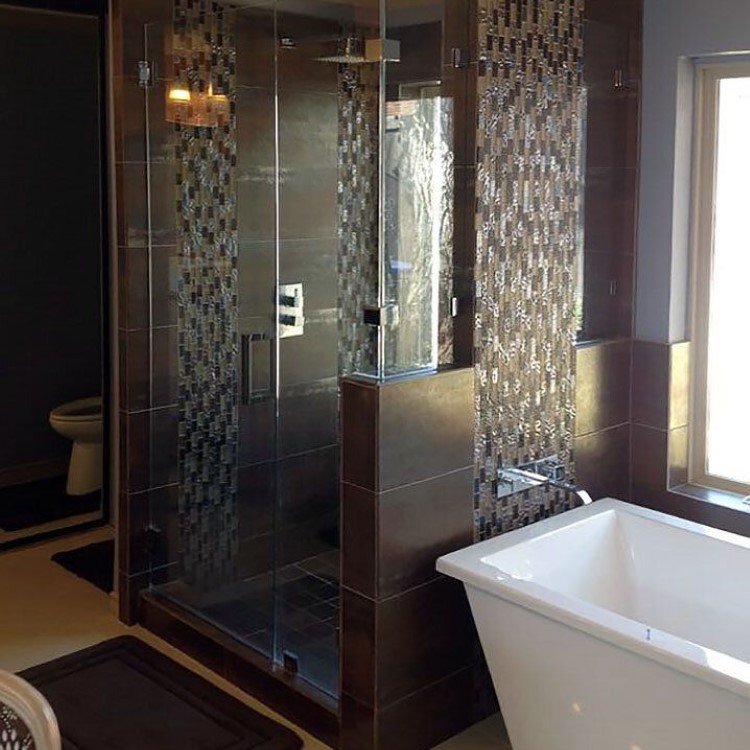
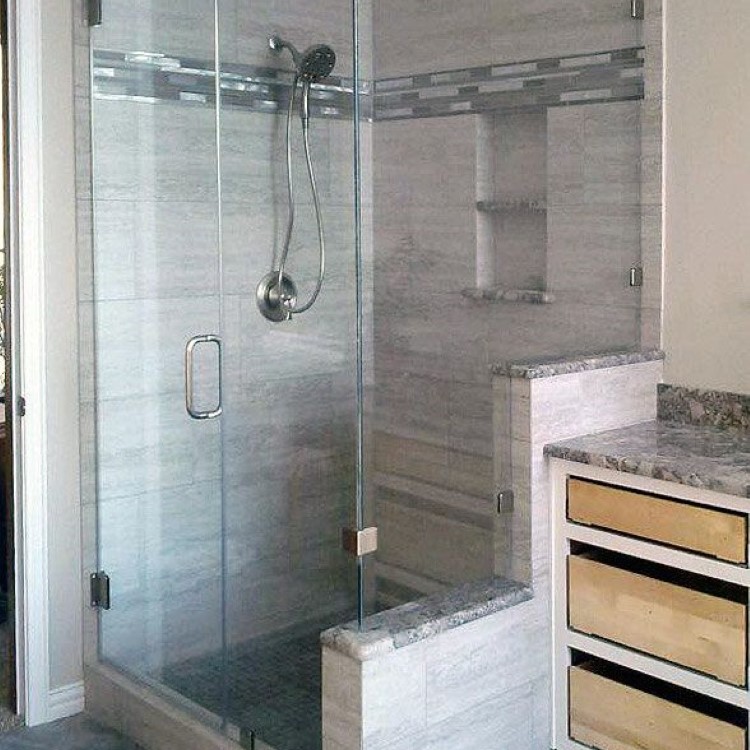
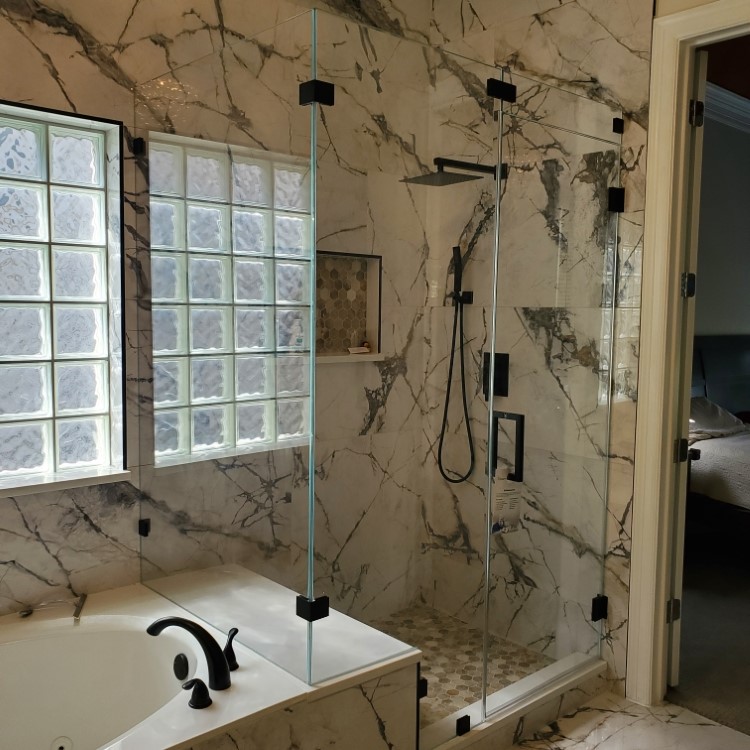
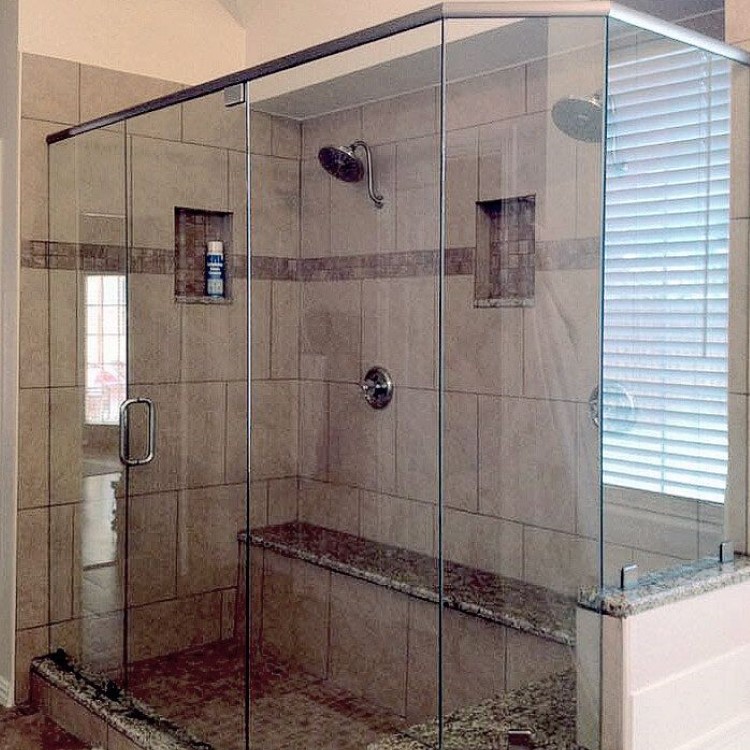
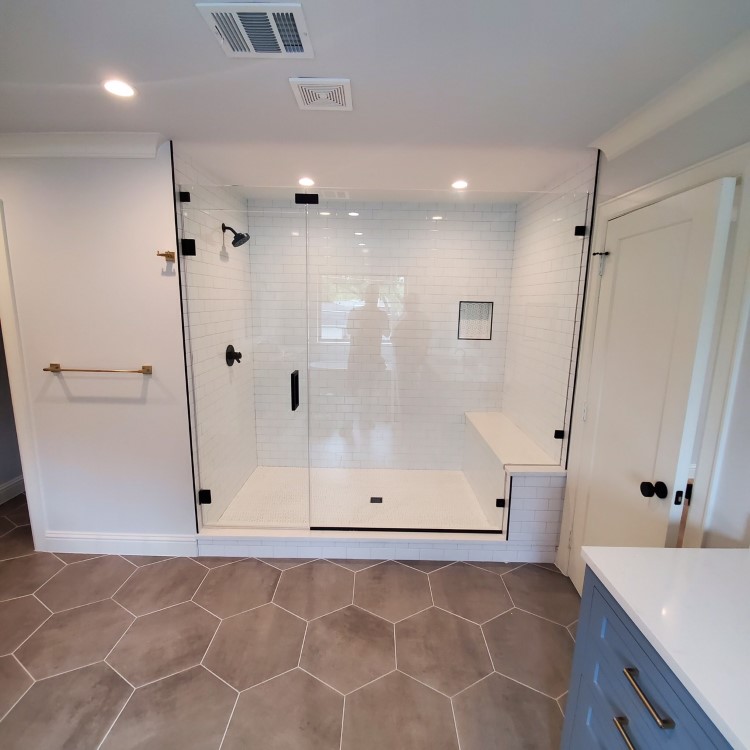
A hinged shower door, by contrast, works like a traditional door in your home. It pivots on hinges mounted to a fixed glass panel or wall, swinging either outward, inward, or in some cases, both ways. Hinged doors are frequently associated with frameless, high-end designs because they can use minimal hardware and showcase large, uninterrupted glass panels. The swing requires clear floor space, but it can offer a wide, unobstructed opening that feels generous and easy to navigate.

There are also hybrid options, like sliding barn-style doors that combine exposed rollers with a single large operating panel, or pivot doors that swing on a point a few inches in from the edge of the glass. However, for most homeowners in Austin deciding on a new shower, the core question still comes down to: do you want the door to slide along a track, or swing on hinges? Understanding these mechanics is the foundation for every other factor you will consider.

Space, Layout, and Clearances

Space is often the first and most decisive factor when choosing between sliding and hinged shower doors, especially in compact or awkwardly shaped Austin bathrooms. Sliding doors shine when floor space is tight. Because the panels move side-to-side instead of swinging out, you do not need to preserve clearance in front of the shower. This makes sliders ideal for bathrooms where a toilet, vanity, or wall sits close to the front edge of the shower, or where door swing would block a walkway or bump into existing fixtures.

Hinged doors, on the other hand, need thoughtful planning around their swing arc. Building codes and practical use both demand that the door can open without obstruction and allow safe entry and exit. If the door swings outward, you must ensure there is enough open floor space and that it will not collide with cabinets or towel bars. If it swings inward, the shower interior must be large enough that someone can step back and easily close the door behind them. In many smaller tract homes or townhomes in Austin, a hinged door is still possible, but it requires precise measurement and often a custom solution from a specialist like Shower Doors of Austin.

Corner showers, alcove showers, and tub-shower combos each present different layout challenges. An alcove shower with walls on three sides often works beautifully with a sliding door because the fixed width between the walls naturally supports a two-panel track system. Corner showers may benefit from a hinged door that opens from a central point, especially when there are angled or neo-angle layouts. The key is to visualize not only where the glass will sit, but how people will move through the space – including kids, guests, and anyone with mobility concerns.

Style, Aesthetics, and Bathroom Personality

Once you know a door type will physically fit, the next question is how you want the bathroom to feel. Sliding and hinged doors create subtly different visual impressions. Sliding doors often have a more contemporary or minimalist appearance, especially when paired with square hardware and clean, straight lines. The overlapping panels can create a sense of layered glass that feels modern and sleek, which suits many of the newer builds and urban condos around Austin, TX.

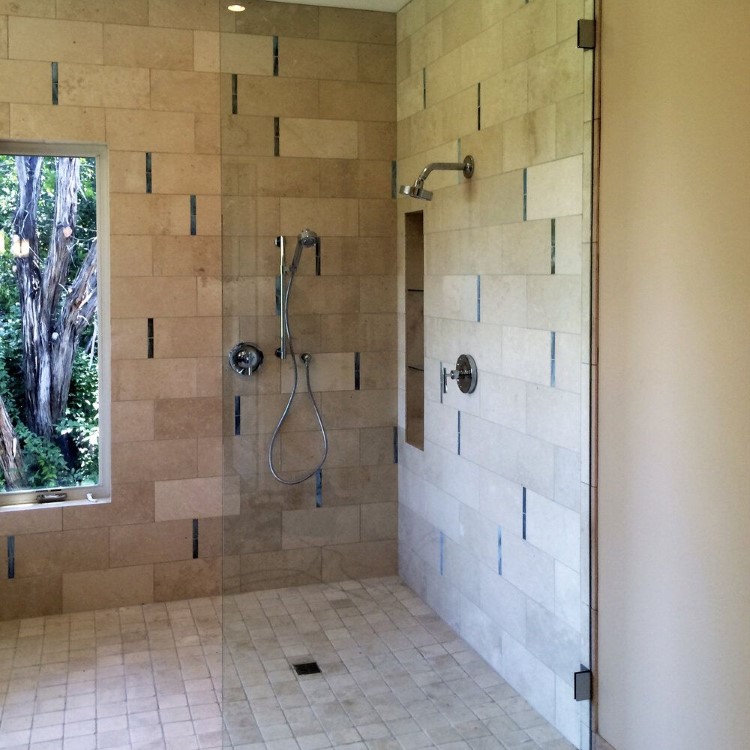
Hinged doors tend to evoke a more spa-like, open aesthetic. Because there is usually a single main panel and fewer overlaps, the shower reads as one clear plane of glass. This can make the bathroom appear larger and more seamless, particularly in frameless installations with low-profile hinges and minimal metal. For homeowners investing in premium tile or stone in their shower, a hinged door can act like a picture frame that showcases the interior without visual interruptions.

Hardware choices also amplify the personality of the door style. Sliding doors can feature exposed rollers, top rails, and structural bars that become design elements in their own right, complementing industrial, modern farmhouse, or loft-inspired interiors. Hinged doors can go in the opposite direction, using tiny clips and discreet handles for a nearly invisible look, or they can embrace more traditional handles and hinges for a classic feel. Working with Shower Doors of Austin, many clients choose to coordinate the metal finish of their shower hardware with faucets, lighting, and cabinet pulls, creating a cohesive design language throughout the room.

Cleaning, Maintenance, and Longevity

Day-to-day life in Austin often means hard water, humidity, and busy schedules, all of which affect how easy it is to keep a shower door looking good. Sliding doors have a few specific maintenance considerations. Because they run on tracks or glide along bottom guides, soap scum, mineral deposits, and hair can accumulate in these channels. Without regular cleaning, this buildup can make the doors harder to slide and less attractive. Modern systems minimize deep tracks, but any sliding mechanism will need occasional attention to keep rollers, guides, and seals working smoothly.

Hinged doors generally have fewer horizontal surfaces to collect grime. They are typically easier to squeegee from top to bottom, and there is no track crossing the opening at ankle level. However, hinged doors rely heavily on the durability of their hinges and the alignment of their seals. Over many years, if a hinge loosens or the door is repeatedly pulled on, it may require adjustment. Quality installation and hardware, like those used by Shower Doors of Austin, go a long way toward ensuring that the door continues to close properly and maintain a watertight seal.

Glass care is similar for both types: regular cleaning with appropriate products, optional protective coatings to reduce spotting, and good ventilation to cut down on mildew. Some homeowners in Austin choose low-iron glass for extra clarity or opt for a protective treatment that makes water bead up and run off more easily. In practice, the main difference you will notice between sliding and hinged doors is where the grime tends to collect. If you dislike scrubbing tracks, a hinged door might appeal more. If you are comfortable with a quick, routine track wipe-down, a slider can be equally practical over the long haul.

Accessibility, Safety, and Everyday Use

How you and your household actually use the shower should carry as much weight as aesthetics. For families with young children, a hinged door can sometimes feel more intuitive: you open a single wide panel and have clear access to help a child in and out. There is no need to navigate around a fixed panel or squeeze through a narrower sliding opening. That said, a sliding door can offer a lower threshold in some configurations, which may be helpful when stepping in and out, especially for tub-shower combinations.

For adults with mobility concerns or anyone planning to age in place in their Austin home, the type of door can significantly affect safety. A wide-swinging hinged door on a curbless shower can create an extremely accessible entry, often compatible with grab bars and even a shower seat. However, the swing must be carefully planned so that it does not obstruct mobility aids or present a fall risk. Sliding doors, meanwhile, avoid the possibility of accidentally pushing the door into someone standing outside the shower, but they may have a slightly narrower opening because one panel must always remain fixed or overlapped.

Slippery floors and wet hands are everyday realities. The feel of the handle, the ease of grip, and the smoothness of operation all matter. High-quality sliding systems will glide with minimal effort, while well-installed hinged doors will open and close with a reassuring, controlled motion. When Shower Doors of Austin consults with homeowners, they often ask people to think about who will be using the shower five or ten years from now. A door that feels easy and safe for everyone, from kids to grandparents, is usually the best long-term investment.

Cost, Customization, and Working with a Local Expert

Budget is always part of the conversation, but the cost difference between sliding and hinged doors is not as simple as “one is always cheaper.” Many factors influence price: glass thickness, frameless vs. semi-frameless, hardware quality, custom vs. standard sizes, and any special design features. In some cases, a basic sliding door can be more economical than a fully frameless hinged door with premium hardware. In other situations, a custom-sized slider with intricate hardware may rival or exceed the cost of a simpler hinged configuration.

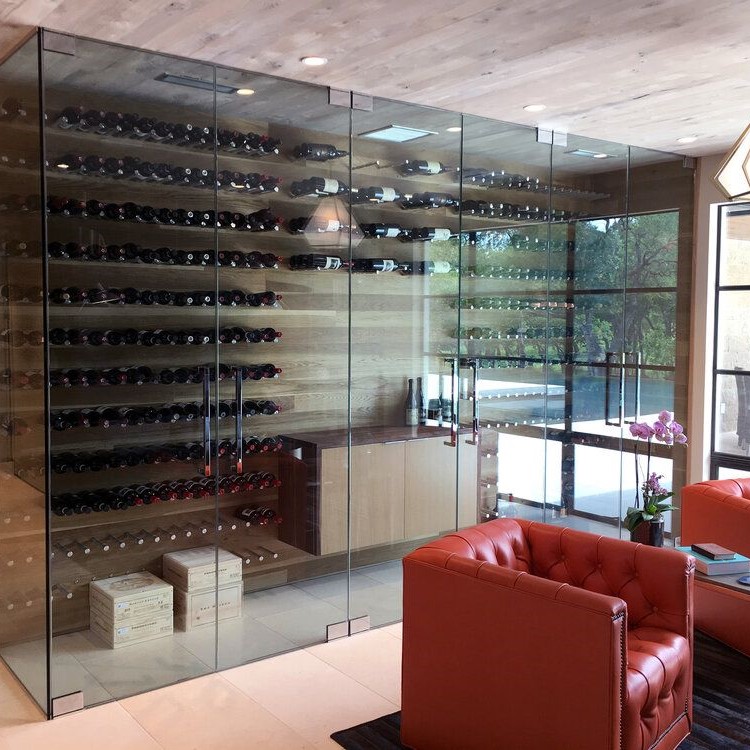
Customization often tips the scales. Older Austin homes, especially in central neighborhoods, may have non-standard shower openings or unique tile layouts that make off-the-shelf doors a poor fit. Custom glass solutions from a specialist like Shower Doors of Austin allow you to choose the door type that truly works for your space, then tailor the details: glass height, handle style, hardware finish, and even specialty options such as patterned or frosted glass. A resource like Custom Interior Glass can show just how many possibilities exist beyond standard catalog options.

Working with a local expert also means you get guidance that reflects Austin’s climate, building trends, and real-world usage. A professional can point out details that are easy to overlook, such as where water is likely to spray, how the door will interact with existing tile slopes, or whether your chosen design will meet local code requirements. This kind of insight can prevent expensive changes later and ensure that whether you choose a sliding or hinged door, it will function exactly as you expect for years to come.

Frequently Asked Questions

Which is better: a sliding or hinged shower door? Neither option is universally better; the right choice depends on your bathroom layout, space, and lifestyle. Sliding doors are excellent for tight spaces where a swinging door would hit a vanity or toilet, and they often suit modern, streamlined designs. Hinged doors are ideal when you have enough clearance for a swing and want a wide, open entry that feels like a spa. In Austin, TX, Shower Doors of Austin typically recommends evaluating door type based on clearances, who will use the shower, and how you want the room to look and function over time.

Do sliding shower doors leak more than hinged doors? A properly installed sliding or hinged door should not leak under normal use. Sliding doors rely on overlapping panels, bottom guides, and vertical seals to keep water inside, while hinged doors use sweeps and side seals. Leaks usually come from poor installation, misaligned hardware, or water spraying directly at gaps that were not planned for. A professional installer will look at your showerhead position, tile slopes, and door configuration to minimize leakage, regardless of whether you choose a slider or a hinged design.

Which type of shower door is easier to clean? Hinged doors are generally easier to clean because they have fewer horizontal tracks where debris can collect, and they often offer a single, uninterrupted glass surface that is simple to squeegee. Sliding doors can require more attention to bottom tracks or guides where soap scum and mineral deposits build up. However, modern sliding systems used by companies like Shower Doors of Austin are designed with smoother, more accessible tracks that make cleaning less of a chore. With regular maintenance and possibly a protective glass treatment, both types can stay clear and attractive.

Are sliding doors safe for households with children or older adults? Sliding doors can be very safe if they are well-built and properly installed. They eliminate the risk of a door swinging into someone standing nearby, and many systems feature sturdy handles and tempered safety glass. However, the opening width may be narrower than a hinged door, which could be a consideration for anyone using mobility aids. For older adults or those planning to age in place, a hinged door with a wide, low-threshold entry may feel more accessible. The best approach is to discuss specific needs with a local expert in Austin who can recommend the safest configuration.

Can I switch from a sliding door to a hinged door (or vice versa) in an existing shower? In many cases, yes, but it depends heavily on your current shower structure, tile layout, and available space. Switching from a slider to a hinged door might require reinforcing walls for hinge support, adjusting the curb, or modifying tile to accommodate a different seal pattern. Going from hinged to sliding can mean adding tracks and ensuring the opening width suits a bypass system. Because each bathroom is unique, it is wise to have a professional from Shower Doors of Austin evaluate your existing enclosure and explain what changes would be needed for a safe, durable conversion.

Leave a Comment

Your email address will not be published. Required fields are marked *

Call
Contact
Search Website
Powered By Click Wise Design
Contact
Call
Text
Email