It usually starts with a sound you can’t ignore anymore – the grinding squeak as you slide the shower door, the rattle in the frame, or the tiny spiderweb crack that seems to grow a little every week. Maybe the metal at the bottom of the door has started to show rust, or the glass looks permanently cloudy no matter how much you scrub. At that point, it’s not just about looks; it’s about safety, longevity, and whether your shower door was built from materials that could actually stand up to daily use in a humid Austin bathroom.
Shower doors live in one of the harshest environments in your home. Constant moisture, temperature swings, cleaning chemicals, shampoo residue, and hard water all attack the materials day after day. If the wrong glass, metal, or hardware is used, you end up with corrosion, wobbling doors, leaks, or worse – a dangerous break. That’s why understanding the best materials for shower door durability is so important when you’re investing in a new enclosure or upgrading an old one.
For homeowners in Austin, TX, there are extra factors to consider: local water hardness, the region’s humidity, and the way modern homes here lean toward open, glass-heavy bathroom designs. Shower Doors of Austin works in this environment every day, so material choices are never an afterthought. From the type and thickness of glass to the grade of metal in your hinges and tracks, the details of what your door is made from will determine how well it holds up five, ten, or even fifteen years down the road.
Why Material Quality Matters
When people think about shower doors, they often focus on style: frameless versus framed, clear versus frosted, sliding versus swinging. Style matters, but the hidden story is in the material quality. A sleek frameless door made from low-grade glass or cheap hardware can look great on day one yet fail prematurely. Durability comes from how all the materials work together: glass, metal, seals, and finishes. If even one component is weak, the entire system becomes vulnerable to wear, leaks, and potential safety issues.
Durable materials do more than resist breakage; they maintain their appearance and performance over time. High-quality tempered glass is designed to handle the stress of daily use and minor impacts without chipping or cracking. Good metal alloys resist rust and pitting, even when exposed to Austin’s hard water and cleaning products. Quality seals and sweeps keep water inside the shower instead of soaking your floor. When Shower Doors of Austin designs a shower enclosure, these material decisions are made with long-term durability as the guiding principle, not just short-term cost savings.
Another reason material choice is critical is the cost of replacement and repair. A shower door is not like a towel bar you can just unscrew and swap out in ten minutes. It’s custom-sized, carefully leveled, and sealed. If the glass fails or the metal corrodes, you may be forced into a full replacement far sooner than you expected. Choosing the best materials from the start is often less expensive over the life of the shower, because you avoid repeated repairs, premature replacement, and water damage to surrounding walls and floors.
Finally, safety is directly tied to material quality. Properly tempered safety glass, correctly sized for the opening, and supported by robust hinges or tracks, will perform reliably and break safely if it ever does fail. Inferior glass or underbuilt hardware can put stress on the panel, making it more likely to shatter under impact or sudden temperature change. In a wet, slippery environment like a shower, you simply can’t afford to compromise on the materials that hold everything together.
Tempered Glass: The Durability Standard
For modern shower doors, tempered glass is the foundation of durability. Tempered glass is created by heating standard glass to a very high temperature and then rapidly cooling it. This process changes the internal structure of the glass, making it several times stronger than regular annealed glass. If it does break, it crumbles into small, blunt pieces instead of dangerous shards. This combination of strength and safety is why building codes in Austin, TX, and across the country require safety glass in shower enclosures.
Within tempered glass, thickness is a key factor in durability. Common thicknesses for shower doors are 3/8 inch (10mm) and 1/2 inch (12mm). Thicker glass not only feels more substantial when you open and close the door, but it also resists flexing and impact better over time. In frameless designs, where the glass carries more of the structural load, 3/8 inch is a popular standard, while 1/2 inch is often chosen for a more luxurious, ultra-solid feel. Shower Doors of Austin typically recommends these thicknesses because they balance strength, weight, and hardware compatibility.
The type of glass surface also plays a role in long-term durability. Clear glass is classic and shows off tile work, but it can reveal water spots and soap scum if not cleaned regularly. Low-iron glass offers a clearer, less green-tinted look that many Austin homeowners prefer for high-end baths. Textured or patterned glass can help hide water spots and fingerprints, which indirectly supports durability by reducing the need for aggressive scrubbing. Less scrubbing means fewer micro-scratches over time and a better-looking door years down the line.
In addition, many homeowners now choose protective glass coatings that bond to the surface, making it more resistant to mineral deposits and soap residue. While this isn’t a separate material like the glass itself, it’s an important upgrade for durability. Coated glass is easier to clean and less likely to develop etched, cloudy areas from Austin’s mineral-rich water. That means you’re less tempted to use harsh abrasives or chemicals that could damage the glass surface or surrounding finishes.
Framed, Semi-Frameless, And Frameless Strength
While glass gets most of the attention, the structure holding that glass in place is just as important to durability. Framed, semi-frameless, and frameless shower doors each rely on different material configurations, and understanding those differences helps you choose what will last in your specific bathroom. None of these styles is inherently “weak” if built with the right materials, but they distribute stress and rely on metal in different ways.
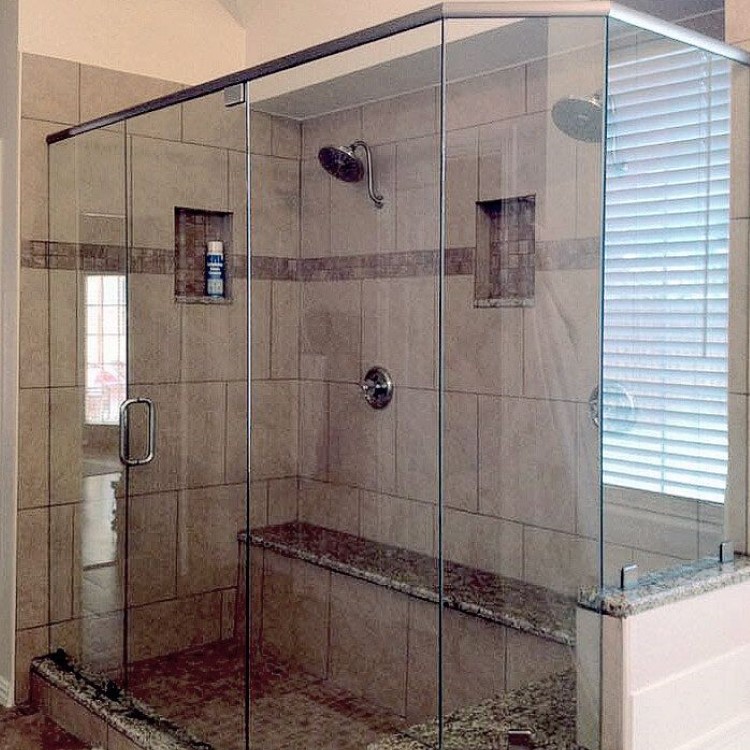
Framed shower doors surround the glass panels with metal on all sides. This frame provides structural support, allowing slightly thinner glass to be used while still maintaining stability. The key durability concern here is the frame material and finish. Lower-quality aluminum or poorly applied finishes can corrode, peel, or pit, especially along the bottom track where water sits the longest. When Shower Doors of Austin installs framed systems, they focus on corrosion-resistant aluminum and high-quality finishes that stand up to constant moisture.
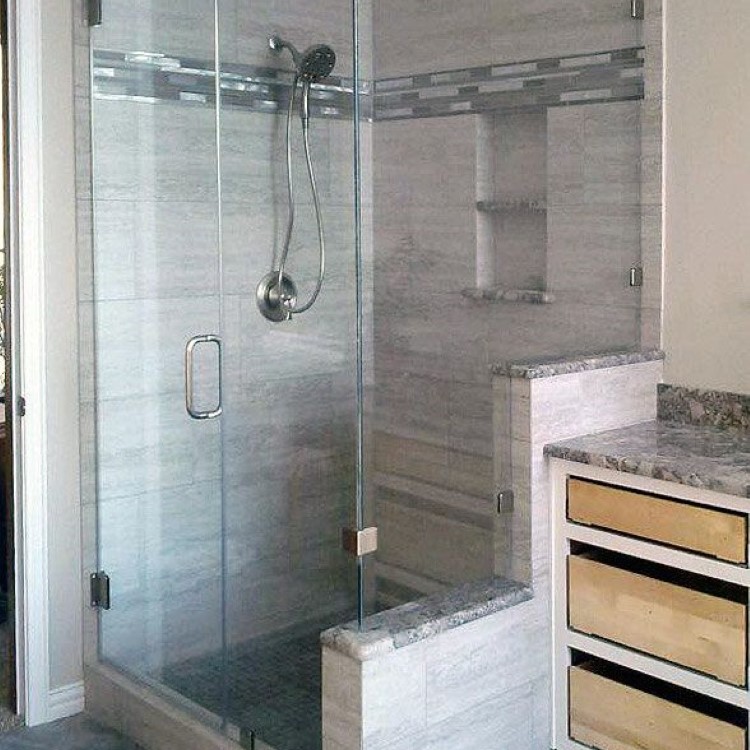
Semi-frameless doors are a hybrid approach. The door panel itself often has minimal framing, but the enclosure still uses some metal around fixed panels or along the perimeter. Durability in semi-frameless designs depends on both the glass thickness and the strength of the hinge or pivot hardware. Because there’s less metal around the moving panel, the glass must be tempered and thick enough to support daily use without flexing excessively. Properly sized hinges made from premium metal alloys are essential to prevent sagging or misalignment over time.
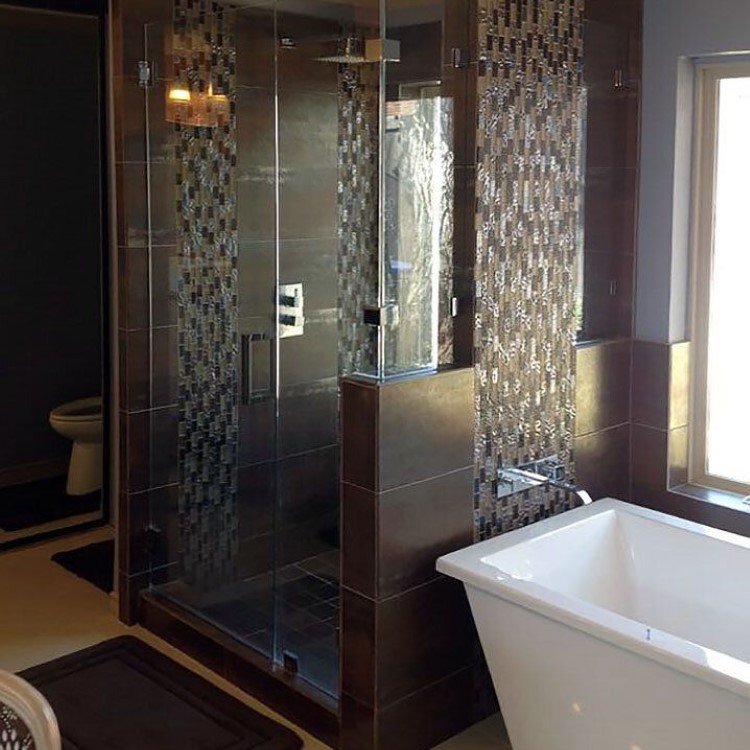
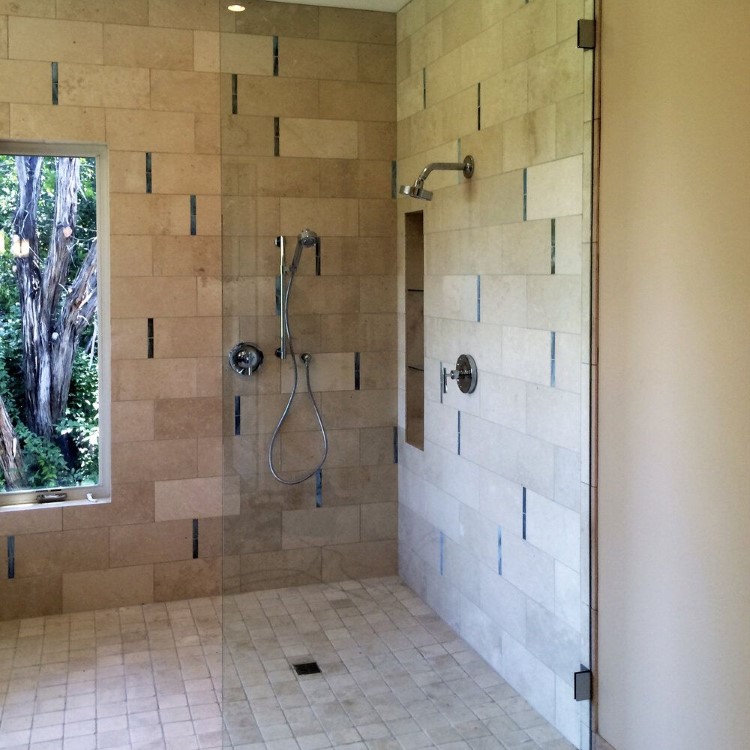
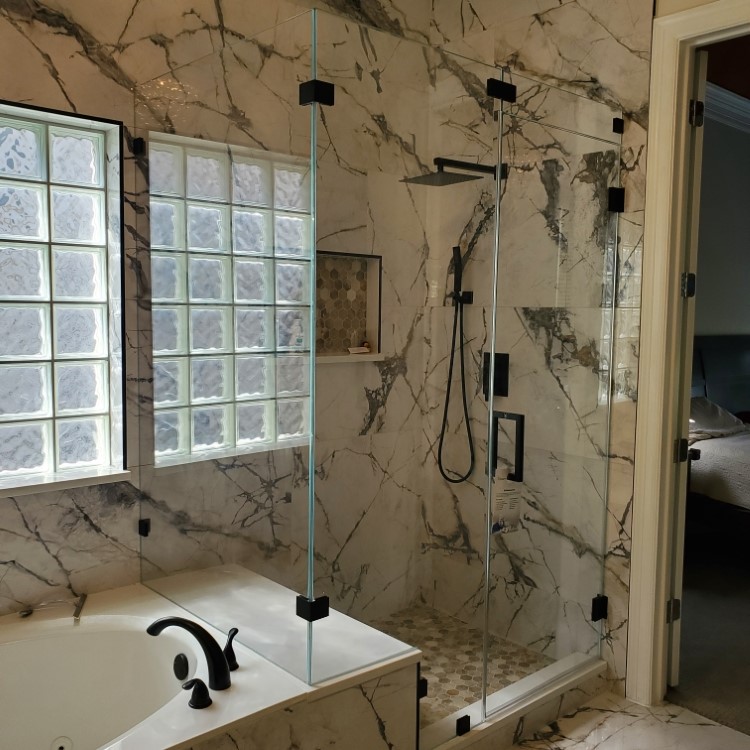
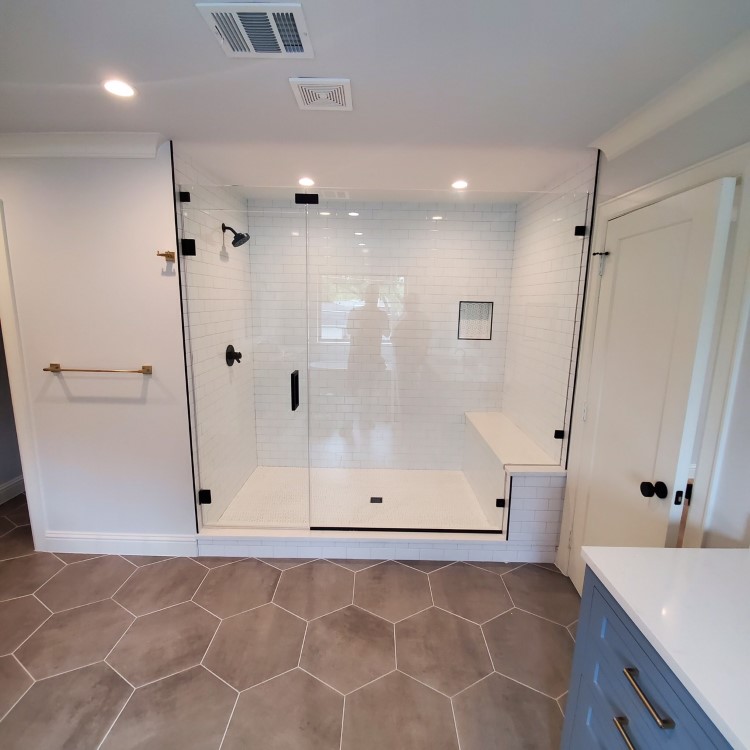
Frameless shower doors are popular in Austin for their clean, open look, but they place the greatest demands on materials. The glass is typically 3/8 or 1/2 inch thick and must be precisely cut and tempered. Heavy-duty hinges or sliding systems support the full weight of the glass without a continuous frame. In this design, cheap hardware is not an option; hinges, clamps, and stabilizer bars need to be made from robust, rust-resistant materials to keep the door operating smoothly. When designed and installed correctly, a frameless system made from top-tier materials can be incredibly durable, offering years of trouble-free use.
Metal Choices: Hinges, Handles, And Tracks
If you want to understand how long a shower door will last, look closely at the metal. Hinges, handles, brackets, and tracks are constantly exposed to water, soap, and cleaning chemicals. In Austin, where water often contains higher mineral content, metal that’s not up to the task will start showing wear faster: spots, discoloration, rust, or a rough feel when you move the door. That’s why material choice for these components is every bit as important as the glass itself.
Stainless steel is one of the best metals for shower door hardware durability. High-quality stainless is highly resistant to rust and corrosion, even in wet, steamy conditions. It’s a common choice for hinges, handles, and brackets in frameless and semi-frameless systems. Not all stainless steel is created equal, though; different grades offer different levels of corrosion resistance. Reputable installers like Shower Doors of Austin work with hardware manufacturers that use appropriate stainless grades designed for bathroom environments, not just decorative use.
Aluminum is another widely used material, especially for framed enclosures and sliding door tracks. It’s lightweight and naturally corrosion-resistant, but its longevity depends heavily on the quality of the anodized or painted finish. A well-finished aluminum frame can last for many years without noticeable wear, while a poor finish can peel or pit, particularly where standing water collects. This is why the bottom track is a key inspection point when evaluating the durability of an existing shower door or choosing a new system.
Brass and zinc alloys are also used in some shower door hardware, often with decorative finishes like chrome, brushed nickel, or oil-rubbed bronze. The underlying metal and the thickness of the plating both matter. Thin or poorly adhered finishes can wear through, exposing more reactive metal underneath that can tarnish or corrode. When selecting finishes in Austin, it’s smart to balance aesthetics with practicality: brushed and satin finishes often hide water spots and minor wear better than highly polished surfaces, helping hardware look better for longer.
Seals, Sweeps, And Supporting Details
While glass and metal carry the structure, the smaller materials – seals, sweeps, and gaskets – have a big effect on how durable and functional a shower door feels over time. These components are usually made from vinyl, rubber, or similar flexible materials. They keep water inside the shower, cushion glass-to-glass or glass-to-wall contact, and reduce rattling and drafts. When they fail, you start seeing leaks, drafts, and noisy operation, even if the glass and hardware are still in good condition.
Door sweeps at the bottom of the glass are particularly important. They’re constantly brushing against the shower threshold, exposed to water, soap, and cleaning agents. High-quality sweeps are made from formulations that resist hardening, cracking, and discoloration. Over time, even the best sweeps will need replacement, but starting with quality materials means they last longer and maintain a tight seal. Shower Doors of Austin typically uses parts that can be replaced without removing the entire door, which makes long-term maintenance easier and less expensive.
Vertical seals between panels or along walls are another subtle but crucial element. Clear vinyl or polycarbonate seals can be nearly invisible while still providing a watertight barrier. Thicker, well-designed seals are less likely to warp or pull away from the glass. In frameless systems, these seals help stabilize the door and prevent glass-on-glass contact, which protects the edges of the tempered glass from chipping. The right seal materials also remain flexible in the heat and humidity of an Austin bathroom, rather than becoming brittle over time.
Even the adhesives and fasteners used in installation affect durability. Quality silicone sealants that are mold- and mildew-resistant will maintain a clean appearance and a reliable bond for years. Stainless or coated screws are less likely to rust and stain the surrounding surfaces. These details are easy to overlook when you’re focused on glass style, but they are part of what separates a long-lasting, professional-grade installation from a budget job that starts to show its age quickly.
Design Choices That Protect Durability
Durable materials perform best when paired with smart design. The way your shower door opens, where the hinges are placed, and how large the panels are all influence how much stress the materials endure. For example, an oversized swinging door with heavy glass and undersized hinges will put constant strain on the hardware. Over time, that strain can lead to sagging, misalignment, and leaks. A well-engineered design considers the weight of the glass, the strength of the hardware, and the everyday habits of the people using the shower.
The layout of your bathroom in Austin, TX, also plays a role. If your shower is near a window where temperature swings are more extreme, or if it’s in a tight corner that requires a specific swing direction, the design must account for those conditions. Sliding doors may be better in some spaces to avoid door interference with vanities or toilets. In other bathrooms, a pivoting or hinged door with a clear opening is the most practical. Shower Doors of Austin evaluates these factors during planning to match durable materials with a layout that won’t over-stress them.
Glass customization can enhance both durability and function. For instance, choosing a slightly smaller door panel with a fixed side panel instead of one large, heavy swinging slab can reduce strain on hinges. Opting for textured or patterned glass can minimize the appearance of water spots and reduce the temptation to use abrasive cleaners. Specialty options like Custom Etched Glass can add privacy and style while still using the same durable tempered glass base, giving you a personalized look without sacrificing longevity.
Finally, consider how easy your chosen design will be to clean and maintain. Doors with fewer crevices and complex frames are generally easier to keep dry and free of buildup. That simplicity is one reason frameless designs are so popular: fewer metal channels mean fewer places for water and soap to sit and cause problems. When durable materials are combined with a design that makes routine cleaning straightforward, you get a shower door that not only lasts, but stays attractive and pleasant to use year after year.
Frequently Asked Questions
What thickness of glass is best for a durable shower door? For most residential installations, 3/8 inch (10mm) and 1/2 inch (12mm) tempered glass are the most durable choices. Thicker glass resists flexing and feels more solid when you open and close the door. In framed systems, slightly thinner glass can be used because the frame adds support, but in frameless designs, 3/8 inch is a common minimum. In high-end or larger frameless doors, 1/2 inch glass provides exceptional stability and a premium feel, which is why Shower Doors of Austin often recommends it for spacious Austin bathrooms.
Which metal finish holds up best in Austin’s humid environment? High-quality stainless steel hardware and well-finished aluminum frames generally offer the best durability in humid bathrooms. For decorative finishes, brushed nickel and similar satin finishes tend to hide water spots and small scratches better than polished chrome. The underlying material is as important as the finish; solid brass or stainless components with robust plating or coating will outperform thinly plated, low-grade alloys. When selecting finishes, ask specifically about corrosion resistance and warranty coverage for bathroom use.
Are frameless shower doors as durable as framed ones? Yes, frameless shower doors can be just as durable, or even more so, when they are designed and installed correctly with the right materials. They rely on thicker tempered glass and heavy-duty hinges or sliding systems instead of a full metal frame. If the glass is properly sized and supported, and the hardware is made from high-quality stainless or similar materials, a frameless system can provide many years of reliable service. The key is not to cut corners on hardware quality or glass thickness, something a specialist like Shower Doors of Austin will carefully manage.
How can I make my shower door materials last longer? Routine, gentle maintenance goes a long way. Wipe down the glass after showers to reduce mineral buildup, especially with Austin’s hard water. Use non-abrasive cleaners designed for glass and metal rather than harsh chemicals or scouring pads. Periodically inspect seals and sweeps for wear and replace them before they fail completely. Avoid hanging heavy items on handles or pushing the door open with excessive force. When your door is made from durable materials and you treat it with care, you significantly extend its lifespan.
Is coated or treated glass worth it for durability? Protective glass coatings do not make the glass itself stronger, but they greatly improve surface durability by resisting stains, mineral deposits, and etching. This keeps the glass clearer and easier to clean over time, which means you’re less likely to resort to aggressive scrubbing or harsh chemicals that can damage the surface. In a place like Austin, TX, where water spots and mineral buildup are common, coated glass is a smart investment. It helps your shower door maintain a like-new appearance for longer, complementing the inherent strength of tempered glass and quality hardware.