Shower Doors of Austin

Choosing the Right Shower Doors for You

You notice it first thing in the morning: the shower curtain clings to your leg, the rod is slightly crooked, and water has splashed onto the bathroom floor again. The whole space feels smaller and more cluttered than it actually is. Maybe you’ve just remodeled your bathroom in Austin, TX, or you’re finally ready to replace that dated framed door from the early 2000s. Either way, the moment you start searching for shower doors, you realize it’s not as simple as picking “glass” and “silver hardware” and calling it a day.

Choosing the right shower doors is one of those decisions that quietly shapes how you use and enjoy your bathroom every single day. The size of your bathroom, how often you shower, whether you have kids, your cleaning habits, and even how much natural light you get all play a role. It’s not just about looks; it’s about function, safety, and long-term durability. For homeowners in Austin, where modern, airy designs are popular and hard water is common, making a smart choice matters even more.

When you work with a local specialist like Shower Doors of Austin, you’re not just picking from a catalog of glass panels. You’re balancing privacy against openness, budget against longevity, and style against practicality. Understanding your options before you schedule a measure or a consultation will help you ask better questions, avoid costly mistakes, and end up with a shower door that feels like it was made just for your home and the way you live.

Frameless vs. Framed Doors

One of the first big decisions you’ll face is whether to go with framed, semi-frameless, or fully frameless shower doors. At a glance, the difference looks purely cosmetic: framed doors have metal around the entire edge of the glass, while frameless doors rely on thicker glass with minimal hardware. But there is more going on beneath the surface that affects cost, maintenance, and overall performance. Homeowners in Austin often gravitate toward frameless designs because they complement the clean, modern lines common in newer builds and remodels.

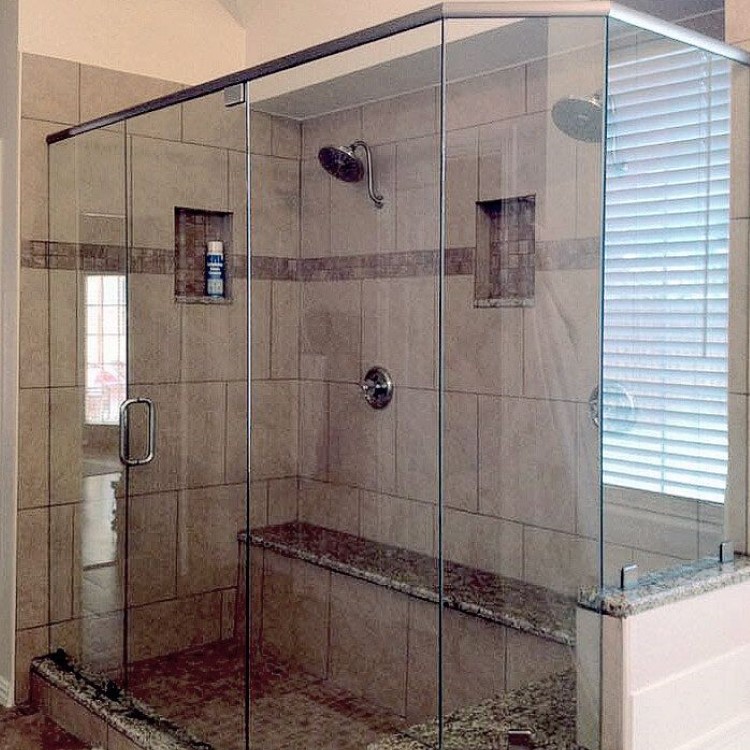
Framed shower doors are typically more budget-friendly and can be a solid option if you’re updating a guest bath or a rental property. The metal frame provides structural support, allowing the glass to be thinner and less expensive. However, those same frames create more crevices where water, soap scum, and mineral deposits can collect, especially in areas with hard water like Austin. Over time, this can lead to staining, corrosion, and more intensive cleaning needs if not maintained regularly.

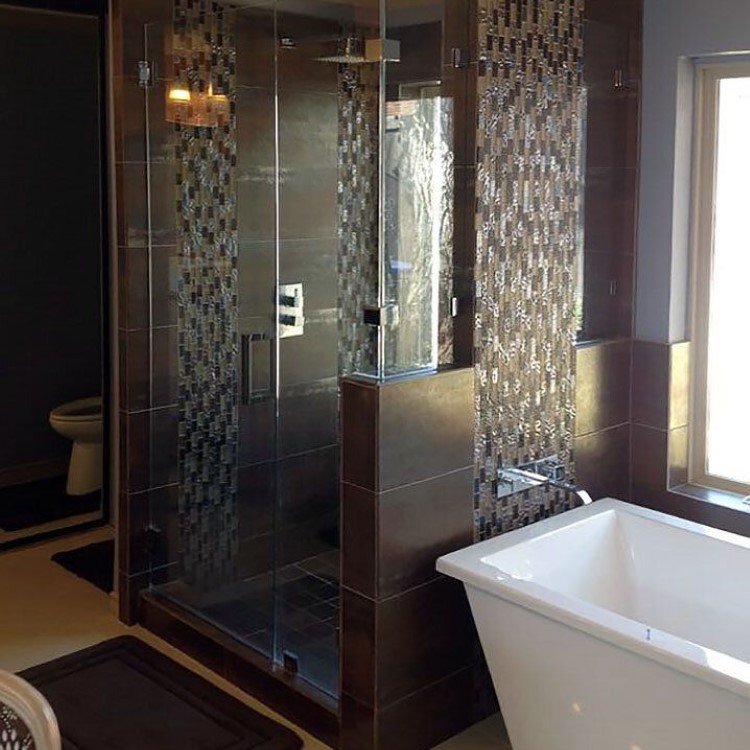
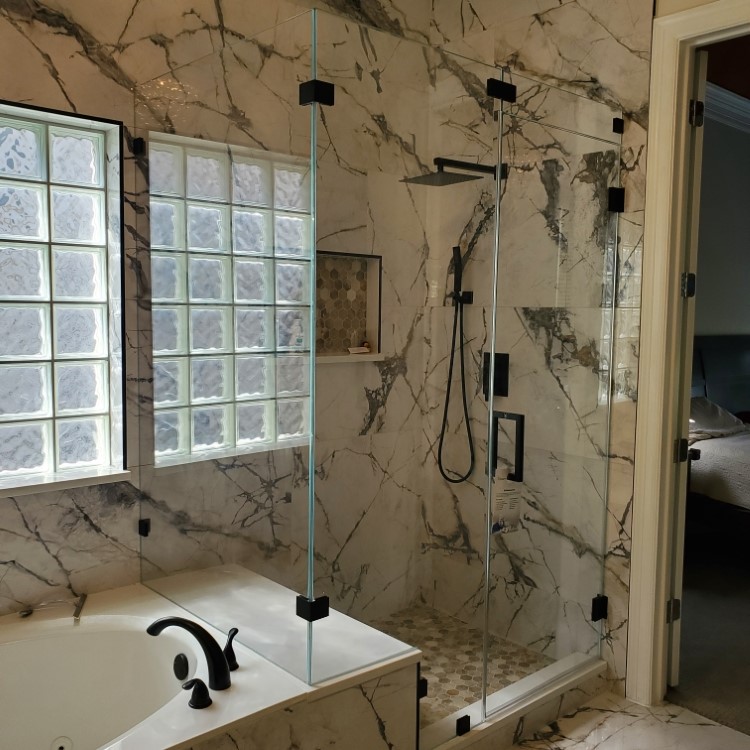
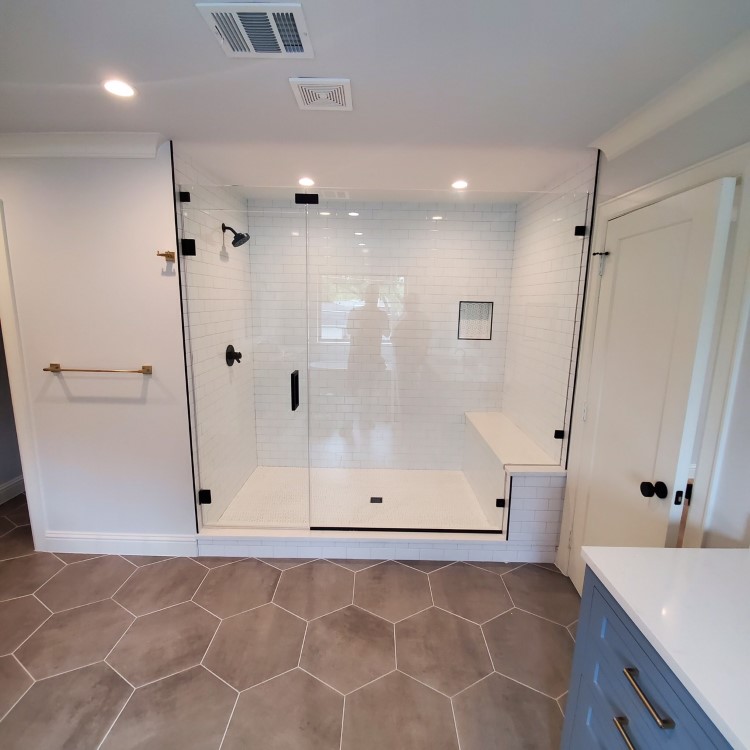
Frameless shower doors, on the other hand, are made from thicker, tempered glass and use discreet hinges and clips instead of a full frame. This creates a more open, streamlined look that shows off your tile work and makes the bathroom feel larger. They’re also easier to keep clean because there are fewer metal channels and seals where grime can build up. The tradeoff is a higher upfront cost and the need for precise measurement and installation, which is where working with an experienced team like Shower Doors of Austin becomes especially important.

Between the two extremes lies the semi-frameless option, which combines a framed surround with a mostly frameless door panel. This can be a smart middle ground if you want a more modern look without fully committing to the cost of a frameless system. If you’re unsure which route to take, consider how long you plan to stay in your home, how “high-end” you want the bathroom to feel, and whether showcasing tile and stonework is a priority.

Door Styles And Space Planning

Once you’ve narrowed down the frame style, the next question is how the door will actually operate. Swinging, sliding, and pivot doors each have their own strengths and limitations. The way your shower door opens has a major impact on everyday usability, particularly in smaller Austin bathrooms or in homes where multiple people share tight spaces. Thinking through traffic patterns and clearances now will save you frustration later.

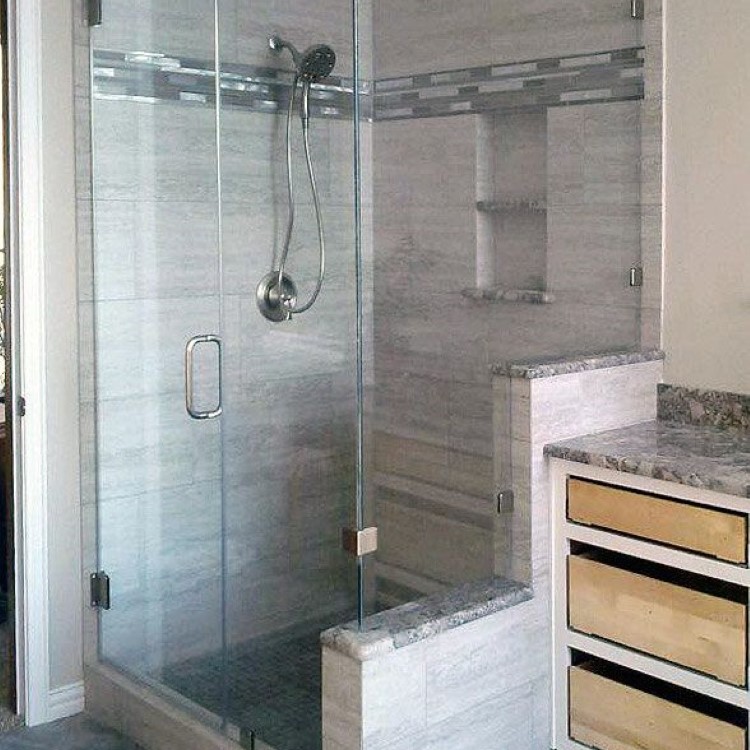
Hinged or swinging doors operate like a typical interior door, opening outward (and sometimes inward, depending on hardware and layout). They offer a wide, unobstructed entry and are often used in frameless designs. However, they require adequate floor space to swing without hitting vanities, toilets, or towel bars. Building codes also typically require the door to open outward for safety, so if your bathroom layout is tight, your installer will need to carefully measure and plan to avoid conflicts.

Sliding doors, or bypass doors, are a practical choice for tub-shower combos and tight alcoves. Because the panels slide past each other instead of swinging out, you don’t have to worry about door clearance in front of the shower. This can be ideal in smaller Austin condos or secondary bathrooms where every square foot counts. The tradeoff is that the opening space is narrower, and one panel always overlaps the other, which can make cleaning slightly trickier if the track or hardware is not designed well.

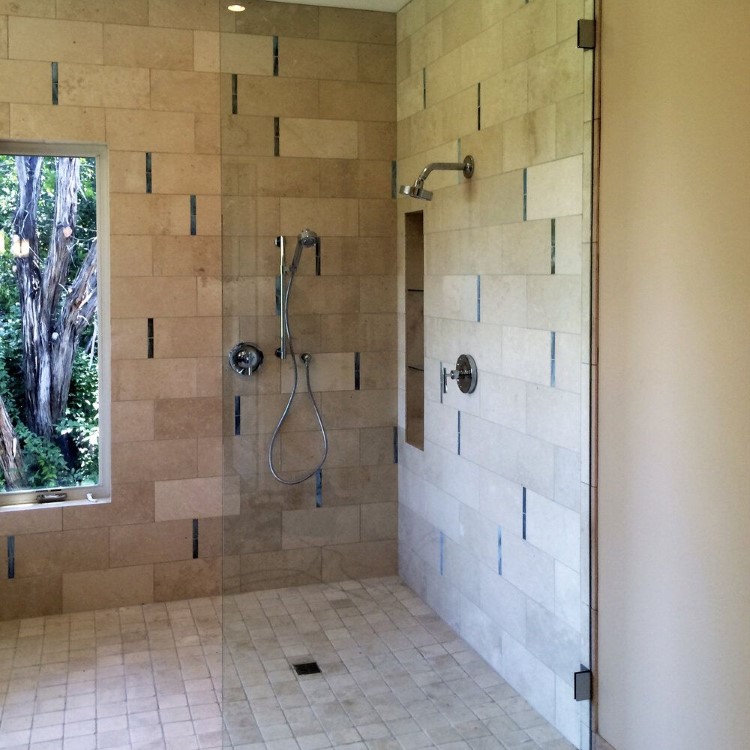
For some layouts, a pivot door or a combination system that includes a fixed glass panel with a smaller swinging section can be the best of both worlds. These are especially popular in walk-in, curbless showers where the design is more open. When planning, think about who will use the shower: do you need wider access for aging in place, or easy entry for kids? Are you trying to keep water contained in a specific zone? A professional from Shower Doors of Austin can help you map out the door swing or slide path using exact measurements of your space.

Glass Types, Thickness, And Clarity

Not all glass is created equal. Beyond simply being “clear,” shower glass comes in different thicknesses, levels of clarity, and textures. These choices affect both the feeling of the space and the long-term durability of the door. In a bright Austin bathroom with good natural light, your glass choice can either maximize that brightness or add a sense of privacy and softness, depending on your goals.

Thickness is a key factor, especially for frameless doors. Common thicknesses are 3/8 inch and 1/2 inch for frameless, and thinner glass for framed systems. Thicker glass feels more substantial, reduces flex when opening and closing the door, and can give the door a more luxurious, solid feel. It also allows for fewer metal supports, enhancing that “all glass” look many homeowners love. The downside is additional weight, which requires sturdy walls, high-quality hinges, and precise installation.

Clarity is another major decision. Standard clear glass has a slight greenish tint due to the iron content, which is more noticeable when you look at the edge of the panel or when it’s paired with white tile. Low-iron or “ultra-clear” glass reduces that tint, making whites look crisper and colors more accurate. This is a popular upgrade in Austin homes where designers have invested in carefully chosen tile or stone and want it to be seen exactly as intended. While low-iron glass costs more, it’s often a worthwhile investment in a primary bathroom or a high-visibility space.

Textured or frosted glass, such as rain, obscure, or satin etch, offers more privacy while still allowing light to filter through. This can be ideal for shared bathrooms or where the shower is visible from a bedroom. These textures also do a good job of hiding water spots and fingerprints, which is helpful in areas with mineral-heavy water. When you consult with Shower Doors of Austin, you can typically see and feel samples, which makes it easier to visualize how each glass type will look in your specific lighting conditions.

Hardware, Finishes, And Design Details

Hardware may seem like a small detail compared to the glass itself, but it has a big influence on the overall look and feel of your shower doors. Handles, hinges, clamps, and headers are the jewelry of your shower, and coordinating them with your faucets and fixtures can make your entire bathroom design feel intentional and cohesive. In Austin, where styles range from sleek contemporary to warm modern farmhouse, having a variety of hardware options is essential.

Common finishes include chrome, brushed nickel, matte black, oil-rubbed bronze, and various brass tones. Chrome and brushed nickel remain popular for their versatility and resistance to visible water spots, while matte black has surged in popularity for homeowners seeking a bold, architectural look. Brass and gold tones, especially in brushed or satin finishes, can add warmth and a hint of vintage sophistication. When you work with Shower Doors of Austin, you can usually match or closely coordinate with the finish of your existing faucets, lighting, and cabinet pulls.

The style of the handle also matters. A simple, straight pull bar can reinforce a modern, minimalist aesthetic, while more decorative or curved handles can soften the look. Some homeowners prefer ladder-style handles that double as towel bars, especially on sliding doors. Inside the shower, small knobs or low-profile pulls can keep the interior surface clean and uncluttered. Hinges and clamps, while less noticeable, should also be chosen with care to complement the overall design.

Don’t overlook practical details like door sweeps, seals, and thresholds. These components help keep water inside the shower and reduce drafts, but they need to be selected and installed correctly to avoid interfering with the clean lines of the glass. A professional installer will know how to balance water control with aesthetics, ensuring that your shower door looks great but also performs reliably day after day.

Maintenance, Water Spots, And Longevity

In a city like Austin, TX, where hard water is a reality for many homes, thinking about maintenance upfront is crucial. Even the most beautiful shower door can start to look tired if water spots, soap scum, and mineral buildup are left unchecked. When choosing your shower doors, consider not just how they look on day one, but how they will look after years of daily use and cleaning.

One of the best ways to simplify maintenance is to choose glass with a protective coating. These coatings, often applied at the factory, create a smoother surface that resists mineral deposits and makes water bead up and roll off more easily. While not completely “self-cleaning,” coated glass significantly reduces the effort needed to keep doors clear and bright. This can be especially valuable in busy households or for anyone who prefers low-maintenance finishes.

The style of the door also affects how much cleaning you’ll do. Frameless doors have fewer metal channels and seals where grime can accumulate, making them easier to wipe down quickly. Sliding doors with bottom tracks can require a bit more attention, as debris and water can collect in the track if not properly designed or maintained. When you talk to Shower Doors of Austin, ask about trackless or low-profile track options that are easier to keep clean.

Simple habits, like using a squeegee after each shower and choosing mild, non-abrasive cleaners, will also extend the life of your glass and hardware. Regular inspection of seals and sweeps can catch small issues before they become leaks. By combining smart product choices with a realistic maintenance routine, you’ll protect your investment and keep your bathroom looking fresh for years.

Working With A Local Specialist

Shower doors are one of those projects where precise measurement and skilled installation make all the difference. Walls that look straight may actually be slightly out of plumb, and floors can have subtle slopes for drainage. These real-world conditions are where a local expert like Shower Doors of Austin really shines. They understand the construction quirks common in Austin homes, from older bungalows to new builds, and can recommend solutions that fit your specific situation.

During a professional consultation, you’ll typically review your layout, discuss your preferences for frame style, door operation, glass type, and hardware finishes, and explore any custom needs you might have. Maybe you want a larger opening for accessibility, or you’re working with an unusually shaped niche. A seasoned installer can quickly tell you what’s feasible, what might drive up costs, and where small design tweaks can save money without sacrificing style.

Local expertise also matters when it comes to code requirements, ventilation, and compatibility with your existing tile or waterproofing system. An improperly installed door can lead to leaks, mold issues, or premature hardware failure. By choosing a company rooted in Austin, you gain access to people who are familiar with the climate, typical water conditions, and local building practices, which all influence product selection and installation methods.

Finally, working with a nearby team means follow-up service is straightforward. If you ever need adjustments, replacement sweeps, or help with a future remodel, you’re not dealing with a distant call center—you have a local partner invested in the long-term performance and appearance of your shower. Whether you’re planning a full spa-like retreat or simply upgrading a tired tub enclosure, choosing the right shower doors with knowledgeable guidance will transform how your bathroom looks and functions.

Frequently Asked Questions

How do I know if my bathroom is better suited for a sliding or swinging shower door? The best way to decide is to look at your available floor space and how the rest of the bathroom is laid out. If you have a vanity, toilet, or doorway close to the shower opening, a swinging door might hit those fixtures or make entry awkward. In that case, a sliding door or a fixed panel with a smaller pivot door may be more practical. If you have ample clearance in front of the shower and prefer a wide, unobstructed opening, a hinged or pivot door often provides the most comfortable access. A professional from Shower Doors of Austin can take precise measurements and show you how each option would function in your specific space.

Is frameless glass really worth the extra cost? For many Austin homeowners, frameless shower doors are worth the investment because they dramatically enhance the visual openness of the bathroom and showcase tile or stone finishes. They also tend to be easier to clean due to fewer metal frames and channels. The thicker glass feels more substantial and can add to the overall sense of quality in the room. However, if you’re updating a secondary bath or working with a tight budget, a well-made framed or semi-frameless door can still look attractive and perform reliably. It ultimately comes down to your priorities, how long you’ll stay in the home, and how important that open, high-end look is to you.

What can I do about hard water spots on my shower doors? In Austin, hard water spots are a common concern, but you can manage them with a combination of product choices and simple habits. Opting for glass with a protective coating will significantly reduce mineral buildup and make cleaning easier. Using a squeegee after each shower helps prevent water from drying on the glass and leaving spots. For cleaning, choose non-abrasive products designed for glass and avoid harsh chemicals that can damage coatings or hardware finishes. If you’re particularly concerned about maintenance, consider textured or patterned glass that hides minor spots more effectively than ultra-clear glass.

How long does it take to get custom shower doors installed? The timeline can vary depending on the complexity of your project and current demand, but there are a few general stages. First, a technician from Shower Doors of Austin will visit your home to take detailed measurements and discuss design options. After you approve the final design and materials, the glass is ordered and fabricated, which typically takes anywhere from a week to a few weeks depending on customization. Once the glass is ready, installation is usually completed in a single day for most standard projects. Your installer can give you a more accurate timeframe based on your specific choices and schedule.

Can I match my shower door hardware to my existing fixtures? In most cases, yes. There is a wide range of hardware finishes available, including chrome, brushed nickel, matte black, and various brass tones, allowing you to coordinate with your faucets, showerheads, and cabinet pulls. When you work with a local specialist, you can bring photos or even a sample of your existing hardware to find the closest match. Coordinated finishes help tie the entire bathroom design together and make your new shower doors look like a natural, intentional part of the space rather than an afterthought. If you’re planning a broader remodel, you can also choose your door hardware first and then select complementary fixtures for the rest of the room.

When you’re ready to explore options tailored to your home in Austin, TX, connecting with a local expert like Shower Doors of Austin ensures that measurements, design, and installation all align with your space and your style. For more inspiration on how glass can transform your bathroom, you can also explore related options like Custom Showers that complement your new doors and complete the look.

Leave a Comment

Your email address will not be published. Required fields are marked *

Call
Contact
Search Website
Powered By Click Wise Design
Contact
Call
Text
Email